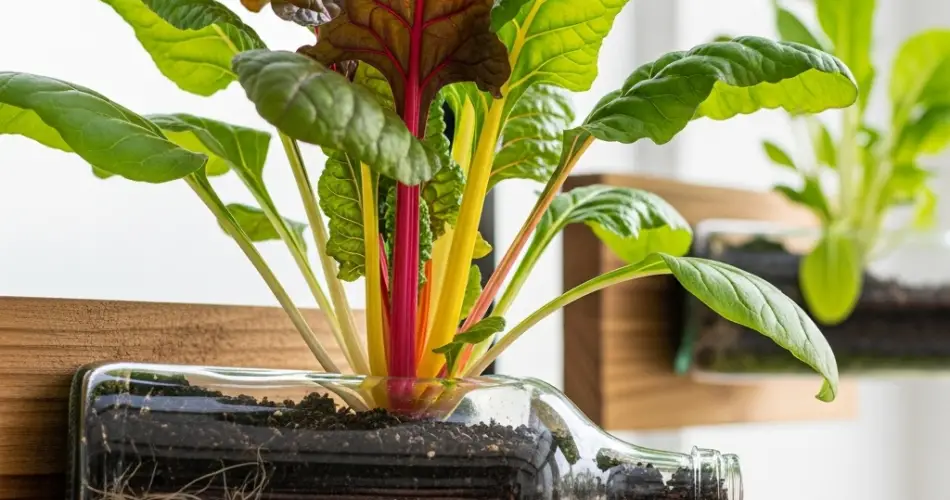
Looking for a colorful, nutrient-packed green to grow at home—without needing a traditional garden? Swiss chard is an ideal choice for vertical gardening, thriving even when planted in upcycled containers mounted on a wall. With its vivid stalks and lush leaves, it not only adds beauty to your growing space but also provides a steady supply of healthy, homegrown greens.
Whether you live in a high-rise apartment, a small townhouse, or just want to use your outdoor wall creatively, Swiss chard adapts well to compact spaces. Best of all, it’s hardy, easy to maintain, and perfect for repeated harvests.
Why Swiss Chard Works Well in Vertical Gardens
Swiss chard is a cool-season leafy green that belongs to the beet family but is grown for its flavorful leaves and crunchy stems. It’s a great plant for vertical gardening because:
-
Shallow roots: It doesn’t need deep soil, making it ideal for containers.
-
Long growing season: You can harvest it multiple times over several months.
-
Vibrant appearance: With stalks ranging from white and yellow to pink and deep red, chard adds visual interest to any vertical wall garden.
-
Low maintenance: It thrives with minimal care once established.
By growing Swiss chard vertically, you make the most of limited square footage while keeping your greens off the ground, away from soil-borne pests, and within easy reach.
Materials Needed
Setting up a vertical Swiss chard garden is simple, and many of the materials can be repurposed. Here’s what you need:
-
Containers: 1.5L or 2L plastic bottles, wall-mounted pots, grow bags, or food-safe containers
-
Wall or support: A sturdy fence, trellis, balcony railing, or wooden pallet
-
Potting mix: Lightweight soil with compost or coco peat mix
-
Swiss chard seeds or seedlings
-
Drill or knife (for cutting containers and drainage holes)
-
Mounting hardware: Screws, wire, zip ties, or hanging hooks
Choose a wall that gets at least 4 to 6 hours of sunlight per day—chard grows best with moderate sun exposure.
Preparing Your Setup
-
Cut and Clean Containers: If using plastic bottles, cut an opening large enough to plant chard and add drainage holes at the base.
-
Mount the Containers: Secure each container to the wall using wire, hooks, or shelves. Make sure there’s enough space between each container for airflow and light.
-
Add Potting Mix: Fill each container with a nutrient-rich potting mix. Avoid using heavy garden soil, which can retain too much moisture and cause root rot.
-
Planting Time: Sow seeds directly into the containers about ½ inch deep or transplant young seedlings. Space seeds or seedlings 6–8 inches apart.
Swiss chard seeds germinate in about 7 to 14 days, and the plants grow quickly once established.
Watering and Care
Vertical setups tend to dry out faster than garden beds, so check soil moisture daily—especially during hot or windy weather. Water when the top inch of soil feels dry. Ensure good drainage to prevent soggy roots.
Swiss chard appreciates consistent moisture, but it doesn’t like to sit in water. Mulching with shredded leaves or coconut fiber helps retain moisture and prevent weeds.
Feed plants every 3–4 weeks with a diluted liquid fertilizer, compost tea, or worm casting solution to keep the leaves lush and productive.
Light and Temperature
Swiss chard grows well in mild to cool temperatures and can tolerate some heat with proper care. Morning sun and afternoon shade are ideal in warmer climates. During very hot weather, consider providing light shade with netting or fabric.
In cooler months, Swiss chard can handle light frost and still keep producing—making it a great year-round option for many regions.
Harvesting Swiss Chard
You can start harvesting Swiss chard when the leaves reach about 6–8 inches in length. Use a clean pair of scissors or pinch the outer leaves, leaving the inner ones to continue growing. This allows for a continuous harvest over several months.
Avoid harvesting all the leaves at once. Regular picking encourages the plant to produce more and extends its productive life.
Common Issues and Prevention
While relatively trouble-free, Swiss chard may attract aphids, leaf miners, or slugs. Check leaves regularly and remove any damaged or infested ones.
-
Aphids: Spray with a mix of water and a few drops of mild soap.
-
Leaf miners: Remove affected leaves promptly.
-
Slugs: Hand-pick or use natural deterrents like crushed eggshells or copper tape.
Good airflow and spacing help prevent mildew and rot. Avoid overwatering and clean containers between growing cycles to reduce disease risk.
Final Thoughts
Swiss chard is a beautiful, resilient leafy green that lends itself perfectly to vertical wall gardening. It allows you to turn ordinary spaces—like balconies, patios, and walls—into productive, eco-friendly gardens bursting with color and flavor. Whether you’re an urban dweller or a small-space gardener looking for a rewarding crop, Swiss chard delivers both visual appeal and valuable nutrition right from your wall.


