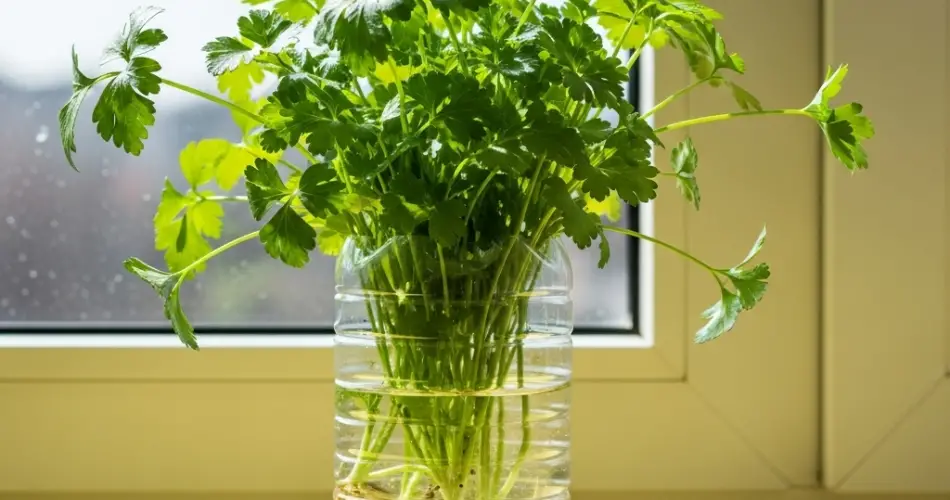
Parsley is one of the most commonly used herbs in home cooking, valued for its fresh flavor and high nutritional content. Whether you’re using it as a garnish, blending it into sauces, or adding it to salads, having a constant supply of fresh parsley on hand is incredibly convenient. Even if you’re short on gardening space, there’s a practical and eco-friendly way to grow parsley at home — using recycled plastic bottles.
This sustainable gardening technique is ideal for balconies, windowsills, small patios, or any urban space with good sunlight. By reusing bottles, you not only grow fresh herbs but also reduce plastic waste. Here’s how to grow parsley in plastic bottles using a low-cost, space-efficient method.
Why Use Plastic Bottles for Growing Parsley?
Recycling plastic bottles for gardening is a smart solution for urban dwellers, beginners, or anyone looking to garden sustainably. Here are some key advantages:
-
Cost-effective: Makes use of items you already have at home.
-
Space-saving: Perfect for vertical or compact gardening setups.
-
Water-efficient: Helps control moisture and reduce waste.
-
Portable: Easy to move, rotate, or bring indoors during bad weather.
This method works well for both curly and flat-leaf parsley, offering a steady supply of fresh leaves in a compact container.
Materials You’ll Need
-
One clear plastic bottle (1 to 1.5 liters)
-
Scissors or utility knife
-
Nail or sharp object for drainage holes
-
Good-quality potting mix
-
Parsley seeds (or seedlings)
-
Watering can or spray bottle
-
Marker or tape (for labeling, optional)
Optional: compost or worm castings to enrich the soil
Step 1: Prepare the Bottle Planter
Start by cleaning the bottle and removing any labels. With a sharp knife or scissors, cut a rectangle-shaped opening on one side of the bottle — this will be where your parsley grows. Leave about an inch of plastic at the edges for structural support.
Next, poke several small holes in the bottom of the bottle to allow for drainage. If the bottle will rest horizontally, make sure the holes are at the lowest points. For vertical designs, cut off the top and poke holes in the base, then set it upright.
Step 2: Add Soil
Fill the bottle with well-draining potting mix, ideally one that’s rich in organic matter. Parsley likes moisture-retentive but aerated soil. You can improve the mix by adding a handful of compost or worm castings for a nutrient boost.
Fill the bottle up to about an inch below the opening so there’s space for watering without spillage.
Step 3: Planting Parsley
If using seeds, soak them in water for 12–24 hours before planting. This helps soften the seed coat and improves germination.
Sprinkle 5–7 seeds across the soil surface in the bottle opening, then cover them lightly with about ¼ inch of potting mix. Mist gently with a spray bottle to moisten the surface without disturbing the seeds.
If you’re transplanting seedlings, dig small holes in the soil and gently place the seedlings in. Firm the soil around them and water lightly.
Step 4: Light and Location
Parsley requires 4 to 6 hours of sunlight daily. Place your bottle planter on a sunny windowsill, balcony, or near a bright window. If natural sunlight is limited, you can use a grow light to supplement.
Rotate the bottle regularly if sunlight is coming from only one direction. This encourages even growth and prevents the plant from leaning.
Step 5: Watering and Maintenance
Parsley prefers evenly moist soil. Using a spray bottle or watering can with a narrow spout, water when the top inch of soil feels dry. Avoid overwatering, which can lead to root rot, especially in a bottle without sufficient drainage.
Thin out weaker seedlings after they sprout, leaving the strongest 2–3 plants. This gives each one enough space and nutrients to grow well.
You can start light harvesting when the plants reach about 4 to 6 inches tall. Always pick the outer leaves first, allowing the center to continue producing.
Step 6: Extend the Lifespan
Parsley is a biennial but is usually grown as an annual. To get a continuous supply:
-
Re-sow seeds every 4–6 weeks.
-
Trim regularly to encourage new growth.
-
Feed with diluted compost tea or organic liquid fertilizer every 2–3 weeks.
If your parsley starts to bolt (produce flowers), leaf production will slow. You can pinch off the flower stalk to extend its productivity, though eventually, it will complete its lifecycle.
Additional Tips for Success
-
Use deep bottles if possible — parsley has a long taproot and benefits from vertical space.
-
Avoid letting the soil completely dry out, especially in hot weather.
-
Use bottles with wide openings to make harvesting easier.
-
For vertical gardens, hang multiple bottle planters on a wall or fence for a living herb wall.
Final Thoughts
Growing parsley in plastic bottles is an excellent way to enjoy fresh herbs without needing much space or money. It’s a sustainable gardening practice that repurposes waste and transforms it into something useful and edible. Whether you’re gardening on a balcony, a windowsill, or a backyard wall, this method keeps things simple, green, and delicious. With a little care and sunlight, you’ll have a lush patch of parsley at your fingertips year-round.


