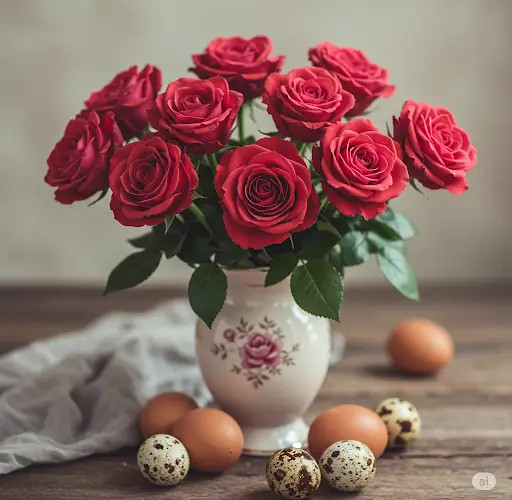
It might sound like a whimsical fairy tale, but there’s a clever and surprisingly effective gardening trick that makes it seem like paper flowers can come to life—all with the help of a humble egg. While the flowers aren’t literally made from paper, this method begins with delicate-looking cuttings that resemble crafted blooms. With the natural nutrients found in eggs, these “paper-like” cuttings can take root and grow into real, lasting blossoms.
This technique blends creative gardening with organic fertilization, making it an ideal method for eco-conscious growers and plant lovers looking for a simple, soil-based way to propagate their favorite flowering plants—especially roses.
Let’s explore how this egg-powered trick works, how to try it yourself, and why eggs are such a powerful tool in natural plant propagation.
Why Eggs?
Eggs are one of nature’s most nutrient-dense foods—not just for people, but for plants too. The egg yolk is rich in protein, fats, and essential minerals, all of which help feed young cuttings and promote vigorous root development. The eggshell, composed mostly of calcium carbonate, adds calcium to the soil and helps improve structure and drainage.
When a plant cutting is planted with an egg, it receives an early nutrient boost right where it matters most—at the root zone. This helps kick-start growth and improve survival rates, even in cuttings that might otherwise fail.
What You’ll Need
To try this method at home, gather the following materials:
-
Fresh eggs (one per plant cutting)
-
Rose or other flowering plant cuttings (6–8 inches long)
-
A sharp knife or scissors
-
Planting pots or a garden bed
-
Potting soil or garden soil
-
A small stick or tool for digging holes
-
Optional: a rooting stimulant (natural or commercial)
Step-by-Step Guide
1. Prepare the Cuttings
Begin by taking healthy cuttings from your chosen plant. Roses are a popular option, but this technique can also work with other woody-stemmed flowering plants. Each cutting should be about 6 to 8 inches long, with all but the top two leaves removed. Make a diagonal cut at the base to increase the surface area for rooting.
2. Crack the Egg
You can either use the whole egg (with shell) or just the yolk, depending on your preference. If using the whole egg, carefully make a small crack at the top and bury it unbroken under the soil. If using only the yolk, break it into the planting hole and crush some rinsed eggshells to mix in with the soil.
3. Prepare the Soil
Choose well-draining soil and fill a medium-sized pot or dig a small hole in your garden. If you’re planting in a pot, ensure there are drainage holes at the bottom. Mix in a handful of crushed eggshells for added calcium and slow-release nutrients.
4. Plant the Cutting
Using a stick or your finger, make a hole in the soil deep enough to hold the cutting. Place the egg or yolk at the bottom of the hole. Gently insert the cutting above it, making sure the cut end is in direct contact with the nutrient-rich egg. Cover with soil and press lightly to secure.
5. Water Gently
Water the cutting thoroughly after planting. Keep the soil consistently moist but not soggy. Overwatering can cause the egg to rot too quickly and may introduce bacteria, so aim for a balanced moisture level.
6. Provide Proper Light
Place the pot or garden bed in a location with bright, indirect sunlight. Direct exposure may stress the young cutting before it has a chance to root.
What to Expect
With the support of the egg’s nutrients, roots should begin forming within 1 to 2 weeks. In 3 to 4 weeks, you may notice new growth at the top of the cutting—a sign that it has successfully rooted. Over time, the egg breaks down and releases additional nutrients into the soil, continuing to nourish the plant as it matures.
Why This Works
The egg acts as a natural fertilizer and root stimulant. As it decomposes, it releases nitrogen, phosphorus, and calcium—key nutrients needed for early root development and healthy foliage. In addition, the organic matter improves the soil structure, allowing better water retention and air flow around the roots.
Unlike synthetic fertilizers, this method is safe, sustainable, and free from harmful chemicals. It’s an excellent option for home gardeners looking to grow more naturally.
Tips for Best Results
-
Don’t overuse eggs in a single area. Too much organic matter in one spot can lead to rot or an imbalance in the soil.
-
Use eggs fresh—never spoiled, as rotten eggs will release gases and can harm the plant.
-
Optional cover: Some gardeners like to cover the pot with a plastic bag or dome for the first week to retain humidity and speed up rooting.
Final Thoughts
This surprisingly simple trick—planting flower cuttings with eggs—has charmed gardeners around the world for its effectiveness and elegance. It shows how common kitchen items can be repurposed to breathe life into a garden, turning delicate “paper-like” cuttings into vibrant, blooming plants.
Whether you’re a beginner or an experienced green thumb, give this method a try. You may be amazed at how fast your flowers root and bloom—with just the help of an egg.


