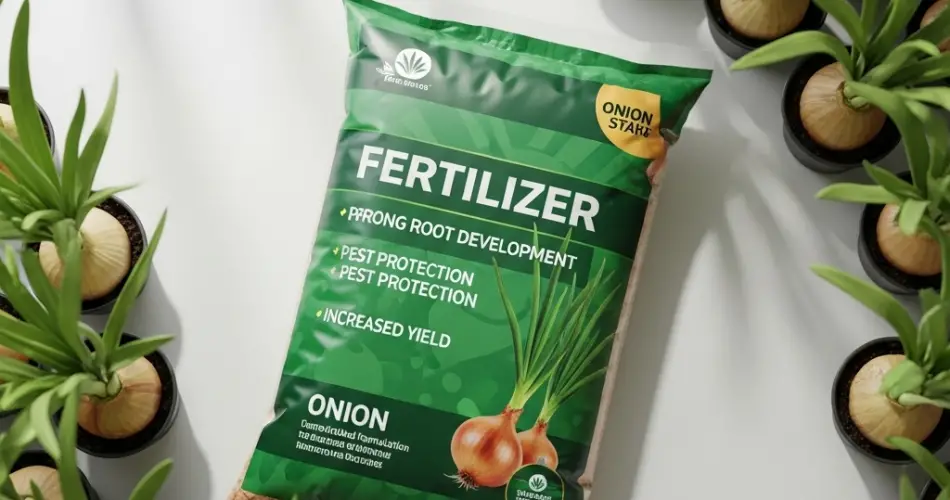
Most people toss onion peels into the compost bin or trash without a second thought. However, these thin, papery layers are a hidden gem for gardeners. Rich in nutrients and surprisingly versatile, onion peels can benefit your plants, soil, and even deter pests when used correctly. If you’re looking for a simple, natural way to boost your garden’s health without spending a dime, onion peels might just be the secret ingredient you’ve been missing.
Here’s how and why you should start using onion peels in your garden today.
1. Natural Fertilizer Boost
Onion peels are packed with valuable nutrients like potassium, calcium, iron, magnesium, and phosphorus. These minerals are essential for plant development, particularly during flowering and fruiting stages. Potassium, in particular, plays a key role in helping plants build resistance to diseases and improves overall yield.
You can make a simple onion peel fertilizer tea by following these steps:
-
Collect a handful of dry onion skins.
-
Soak them in a liter of water overnight.
-
Strain and use the liquid to water your plants once a week.
This mild, natural fertilizer provides a quick nutrient boost and promotes strong, healthy growth—especially for flowering plants and vegetables.
2. Enhances Soil Health
When added to compost or directly to the soil, onion peels break down and improve soil texture and fertility. They feed beneficial microorganisms that help decompose organic matter and make nutrients more accessible to plant roots.
Simply shred the peels and mix them into your compost pile, or bury them near the root zone of plants. Over time, they enrich the soil with organic matter and help retain moisture, reducing the need for synthetic fertilizers.
3. Strengthens Plant Immunity
The antioxidant properties found in onion skins—especially quercetin—are not only beneficial to human health but also play a role in strengthening plants. When used as a foliar spray or soil soak, onion peel solutions can help improve a plant’s natural resistance to fungal infections and stress from environmental conditions.
This makes onion peels especially useful during periods of high heat, drought, or after transplanting when plants are most vulnerable.
4. Natural Pest Deterrent
The strong sulfur compounds in onion skins act as a natural repellent for various garden pests. These include aphids, spider mites, and even some soil-dwelling insects. While it won’t kill pests directly, it can discourage them from settling in your garden.
Use onion peel spray around the base of plants or on the leaves to deter unwanted insects. To make this:
-
Boil onion peels in water for 10–15 minutes.
-
Let it cool and strain the liquid.
-
Spray onto plant foliage or soil every few days during pest-prone seasons.
5. Eco-Friendly Mulching
Onion skins can be used as part of a light mulch layer around your garden beds or container plants. While they’re thin, they help:
-
Retain moisture,
-
Regulate soil temperature,
-
Suppress weed growth.
As the onion peels decompose, they continue to release nutrients into the soil. For best results, combine them with other organic mulch materials like dried leaves, straw, or grass clippings.
6. Seedling Starter Boost
Young seedlings often need a gentle start without the risk of chemical fertilizer burn. Onion peel water is a perfect natural choice to give your seedlings a nutritional boost without overwhelming them.
Use diluted onion peel tea once every 10–14 days when watering your young plants. This encourages stronger root development and overall resilience in the early growth stages.
7. Improves Compost Quality
Adding onion peels to your compost pile increases its nutrient richness. While some gardeners worry that onion scraps might slow decomposition or attract pests, dry peels pose little risk, especially when mixed well with other materials like leaves, grass clippings, and kitchen scraps.
Just remember to avoid adding large amounts of whole onions or too many peels at once to maintain balance in your compost pile.
Final Tips for Using Onion Peels in the Garden
-
Avoid overuse: Onion peels are beneficial, but like all organic matter, moderation is key. Use them as part of a balanced gardening routine.
-
Dry and store: Save up onion skins in a paper bag over time. They store well when dry and can be used as needed.
-
Mix with other organic materials: For compost or mulch, pair onion peels with carbon-rich materials like shredded paper or straw.
Final Thoughts
Onion peels may seem like waste, but in the garden, they’re a hidden treasure. From enriching soil and feeding plants to deterring pests and improving compost, these papery skins offer a wide range of surprising benefits. Instead of throwing them away, consider giving your plants the natural boost they need by turning onion peels into a powerful garden ally. It’s a simple, sustainable habit that turns kitchen scraps into green gold.


