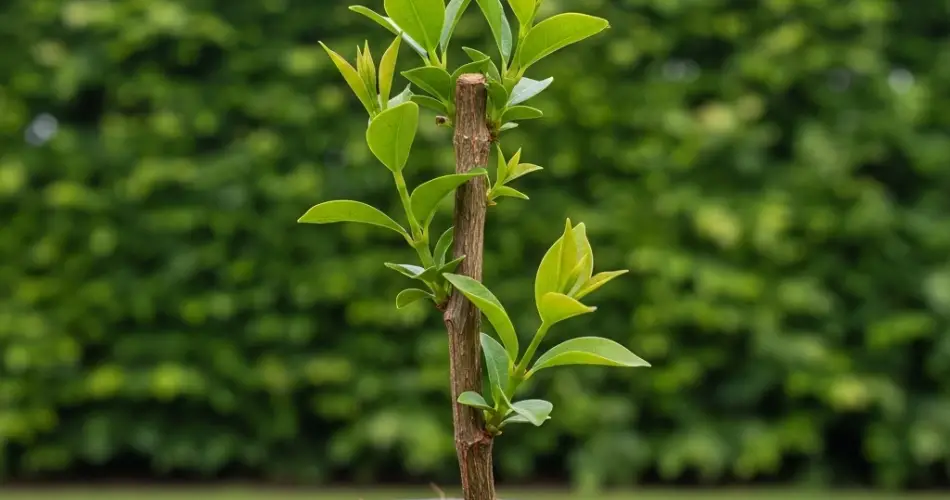
Privet (Ligustrum) is a popular shrub widely used for hedges due to its dense foliage, fast growth, and ease of shaping. If you want to grow your own privet hedge without buying new plants, propagating through cuttings is one of the simplest and most effective methods. This method allows you to multiply your plants at home, saving money and expanding your garden naturally.
In this article, you will learn how to take cuttings from privet, the step-by-step process to root them successfully, and tips to ensure strong, healthy new plants for your hedge or landscape.
Why Propagate Privet by Cuttings?
Privet hedges are attractive, evergreen, and adaptable to many climates. Propagation through cuttings has many advantages:
-
Cost-effective: No need to purchase nursery plants.
-
Fast multiplication: You can produce many plants from a single parent shrub.
-
Genetic consistency: Cuttings produce plants identical to the parent, maintaining desired traits.
-
Simple process: Requires minimal tools and little experience.
When Is the Best Time to Take Privet Cuttings?
The ideal time for taking privet cuttings is during the late spring to early summer when the plant is actively growing but before the wood hardens fully. At this stage, stems are semi-hardwood — neither too soft nor fully woody — which promotes better rooting.
Tools and Materials You Will Need
-
Healthy parent privet shrub
-
Sharp pruning shears or scissors
-
Rooting hormone powder or gel (optional but recommended)
-
Small pots or containers with drainage holes
-
Well-draining potting mix (a mix of peat moss, perlite, or vermiculite works well)
-
Plastic bag or humidity dome (to maintain moisture)
-
Water spray bottle
Step-by-Step Guide to Propagating Privet by Cuttings
1. Select Healthy Stems
Choose healthy, vigorous stems that are free from disease, pests, or damage. Look for semi-hardwood branches about 6 to 8 inches long with several sets of leaves.
2. Take Cuttings
Using clean pruning shears, cut just below a leaf node (the point where leaves attach to the stem). Cuttings should be about 6 to 8 inches long.
3. Remove Lower Leaves
Strip off the leaves from the lower half of the cutting to avoid leaf rot and to expose nodes where roots will develop.
4. Apply Rooting Hormone (Optional)
Dip the cut end of the stem into rooting hormone powder or gel. This step encourages faster root growth but is not absolutely necessary.
5. Prepare Potting Mix
Fill small pots or containers with a light, well-draining potting mix. Moisten the soil slightly before planting the cuttings.
6. Plant the Cuttings
Insert each cutting into the soil, burying at least one or two nodes under the surface. Firm the soil gently around the stem to secure it.
7. Maintain Humidity
Cover the pots with a clear plastic bag or place them under a humidity dome to keep moisture levels high. This prevents the cuttings from drying out.
8. Place in Indirect Light
Put the pots in a bright spot but out of direct sunlight, which can overheat and dry the cuttings.
9. Water as Needed
Use a spray bottle to mist the cuttings regularly, keeping the soil moist but not soggy.
What to Expect Next?
Roots typically start forming in 3 to 4 weeks, but it can take up to 6 weeks in some conditions. To check for root development, gently tug on the cutting—if you feel resistance, roots are growing well.
Once the cuttings have established a strong root system, they can be gradually acclimated to normal humidity by removing the plastic covering for longer periods each day. When ready, transplant the new plants into larger pots or directly into your garden.
Tips for Success
-
Use clean tools to prevent disease transmission.
-
Avoid cuttings from very old or woody stems, as they root less readily.
-
Ensure good air circulation to prevent mold and fungal issues.
-
Keep cuttings warm but not hot; ideal rooting temperatures are around 20-25°C (68-77°F).
-
Patience is key—some cuttings take longer to root than others.
Advantages of Growing Your Own Privet Hedge
By propagating privet at home, you gain full control over plant selection and timing. Homegrown hedges can be shaped and maintained exactly as you desire. Privet’s dense foliage also makes an excellent privacy screen, windbreak, or decorative garden element.
Furthermore, growing plants from cuttings means they are already adapted to your local environment, increasing their chances of thriving compared to nursery-bought plants.
Conclusion
Propagating privet hedges through cuttings is an easy, cost-effective, and rewarding gardening project. With just a few tools and some basic knowledge, you can multiply your plants and create beautiful, lush hedges that enhance your outdoor space.
By following the simple steps above, you’ll soon have healthy young privet plants ready to be planted in your garden or landscape. This method works well for beginners and experienced gardeners alike, providing a sustainable way to grow your own greenery.
Give it a try, and watch your garden flourish!


