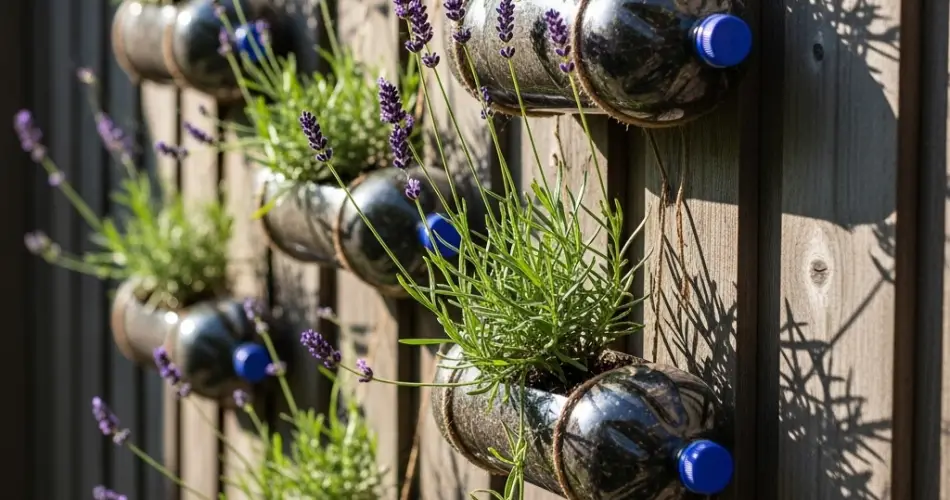
Lavender is one of the most beloved and versatile herbs, known for its soothing fragrance, beautiful purple blooms, and culinary and medicinal uses. For gardeners with limited space, growing lavender vertically in wall-mounted bottles offers a stylish and sustainable solution. This method maximizes vertical space, repurposes plastic bottles, and creates a visually striking herb garden that can thrive indoors or outdoors. Here’s a comprehensive guide to growing lavender in a wall-mounted bottle setup.
Selecting Bottles for Vertical Lavender Gardening
Plastic bottles are lightweight, durable, and easy to modify, making them ideal for vertical gardening. For lavender, choose bottles with a capacity of at least 1.5 to 2 liters to accommodate the plant’s root system. Wash the bottles thoroughly to remove any labels and residues. Cut each bottle horizontally to create open-top planters. Adding small drainage holes in the bottom or sides ensures proper water flow, preventing waterlogging and root rot. Using bottles of uniform size produces a neat, organized wall, while varying bottle sizes can create a visually appealing design.
Choosing the Wall and Location
Lavender thrives in full sun, requiring at least six hours of sunlight per day. Outdoor walls are ideal for maximum sun exposure, but indoor walls near south-facing windows or under supplemental grow lights can also support healthy growth. Select a sturdy wall or balcony area that can support multiple bottles filled with soil and plants. Proper placement ensures that lavender receives enough sunlight and is protected from extreme winds or heavy rain. A well-chosen location promotes vibrant blooms and healthy foliage.
Constructing the Wall-Mounted Lavender Garden
Install a strong frame, wire mesh, or hanging grid to attach the bottles to the wall. Arrange the bottles in rows or staggered patterns according to available space and design preferences. Staggered arrangements enhance airflow and ensure all plants receive adequate sunlight. Secure each bottle firmly to prevent tipping or falling. A vertical setup maximizes space efficiency while adding a striking green and purple feature to any wall or balcony.
Soil and Planting Lavender
Lavender prefers well-draining soil with a slightly alkaline pH. A mix of light potting soil combined with sand or perlite is ideal for vertical bottle gardens, preventing waterlogging while supporting root growth. Fill each bottle with soil up to about two centimeters from the top. For seeds, sprinkle them evenly on the soil surface and lightly cover them. For seedlings or transplants, gently loosen the roots and plant them, filling in around the roots with soil and pressing lightly to stabilize the plant. Proper planting ensures rapid establishment and healthy growth.
Watering and Maintenance
Lavender is drought-tolerant but requires moderate watering, especially during establishment. Water each plant thoroughly, allowing the soil to dry slightly between sessions. Overwatering can cause root rot, particularly in containers with limited drainage. Adding a thin layer of gravel or small stones at the bottom of each bottle improves drainage and prevents excess moisture. Indoor vertical gardens may benefit from occasional misting and careful monitoring of sunlight exposure to maintain optimal growth.
Fertilization and Pruning
Lavender requires minimal fertilization. A light application of balanced liquid fertilizer every four to six weeks encourages steady growth. Regular pruning of stems after flowering promotes bushier plants and prevents leggy growth. Frequent trimming also supports continuous blooming and ensures that your wall lavender remains compact and visually appealing.
Pest and Disease Management
Lavender is generally resilient to pests and diseases, but occasional aphids or fungal issues can occur. A gentle spray of water or application of organic insecticidal soap typically resolves pest problems. Adequate spacing and airflow between bottles reduce the risk of fungal infections. Healthy, well-maintained plants produce better blooms and are more resistant to disease.
Harvesting Lavender
Lavender can be harvested once the stems have fully matured and the flowers are fragrant. Cut stems above the leaves, leaving enough foliage to continue growing. Fresh lavender can be used for culinary purposes, essential oils, or dried for aromatic sachets. Regular harvesting encourages new growth and keeps the vertical garden lush and productive.
Decorative and Practical Benefits
A wall-mounted lavender garden offers both functional and aesthetic advantages. The silvery-green foliage and purple blooms add texture and color to walls, balconies, or indoor spaces. Repurposing plastic bottles reduces waste and creates a sustainable herb-growing system. Having fresh lavender at hand enhances culinary creations, aromatherapy practices, and home décor.
Expanding Your Vertical Herb Collection
Once your lavender wall garden is thriving, consider adding other herbs such as rosemary, thyme, or oregano. These Mediterranean herbs grow well under similar conditions, creating a diverse and aromatic vertical herb garden. Mixing herbs adds texture, color, and culinary variety, making your wall both decorative and functional.
Growing lavender in a wall-mounted bottle garden is a stylish, sustainable, and rewarding way to cultivate fresh herbs. With proper sunlight, soil, and care, your lavender will flourish, providing fragrant blooms and vibrant foliage while transforming any wall into a striking green space. This DIY approach combines beauty, functionality, and eco-consciousness, making it perfect for small-space gardeners and herb enthusiasts alike.