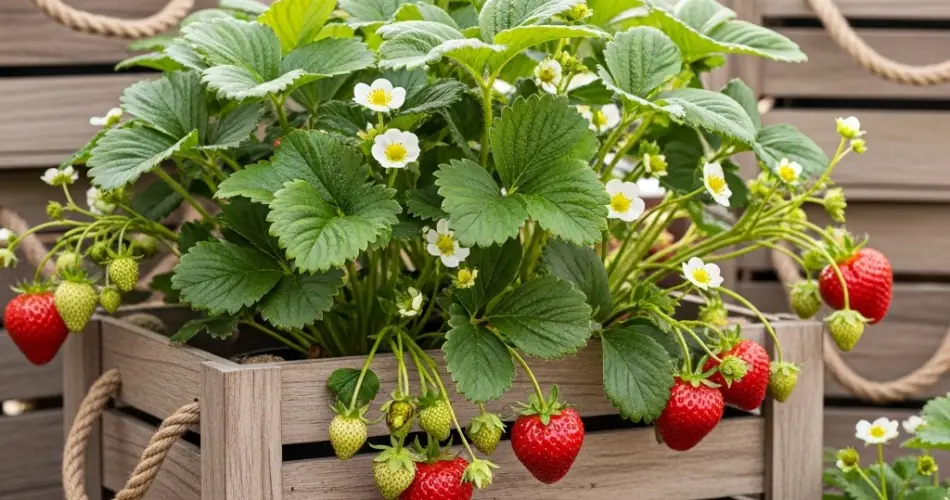
Strawberries are a garden favorite — sweet, fragrant, and bursting with flavor. While many gardeners picture long rows in open fields, you don’t need a large patch of land to grow them successfully. In fact, strawberries thrive beautifully in crates, making it possible to enjoy fresh berries from even the smallest backyard, patio, or balcony.
With a bit of planning, the right container setup, and proper care, crate-grown strawberries can produce abundant, delicious fruit season after season.
Why Choose Crates for Strawberries?
Growing strawberries in crates offers multiple benefits:
-
Space Saving – Ideal for compact gardens or small urban spaces.
-
Mobility – Crates can be moved to catch more sun or sheltered from harsh weather.
-
Cleaner Harvest – Berries stay off the ground, reducing dirt and rot.
-
Fewer Pests – Raised height makes it harder for slugs and crawling insects to reach fruit.
-
Soil Control – You can create the perfect growing medium without worrying about poor native soil.
Crates also give a neat, organized look to your garden while being functional and easy to maintain.
Selecting the Right Crate
The best crates for strawberries are sturdy, well-ventilated, and deep enough for root development.
-
Size – Depth of 8–10 inches works well, as strawberries have shallow roots. A width of 18–24 inches gives plants enough space to spread.
-
Material – Choose untreated wood such as cedar or pine to avoid chemical leaching.
-
Drainage – Drill several holes in the base for water to escape, preventing soggy roots.
-
Lining – A breathable liner like burlap or landscape fabric will help retain soil while maintaining good drainage.
Soil Preparation
Strawberries prefer slightly acidic, fertile, and well-draining soil. In crates, you have complete control over the mix.
A good crate mix includes:
-
40% garden soil or loam
-
40% compost (well-aged)
-
20% coarse sand or perlite for aeration
The ideal pH range is 5.5–6.5. Before planting, mix in a balanced organic fertilizer or a slow-release berry fertilizer to provide a steady nutrient supply.
Choosing Strawberry Varieties
The variety you choose will determine how often you harvest:
-
June-bearing – One large harvest in early summer; great for preserving or big family batches.
-
Ever-bearing – Two harvests: one in early summer and another in early fall.
-
Day-neutral – Produces berries continuously throughout the growing season.
For crate gardening, day-neutral and ever-bearing types like ‘Albion,’ ‘Seascape,’ or ‘Mara des Bois’ are ideal for a steady supply of fruit.
Planting in Crates
-
Spacing – Plant each strawberry 12 inches apart to allow good air circulation.
-
Crown Placement – Keep the crown (the point where leaves meet roots) level with the soil surface. Planting too deep can cause rot.
-
Sunlight – Place crates where they receive 6–8 hours of direct sunlight daily for maximum fruit production.
Caring for Crate-Grown Strawberries
-
Watering – Strawberries need consistent moisture, especially in crates where soil dries faster. Water when the top inch of soil feels dry.
-
Mulching – Apply straw, shredded leaves, or pine needles to help retain moisture, keep fruit clean, and discourage weeds.
-
Fertilizing – Feed plants every 3–4 weeks during the growing season with a balanced liquid fertilizer or berry-specific feed.
-
Runner Management – For bigger berries, trim off most runners. If you want more plants, allow a few runners to root in spare crate space.
Pest and Disease Prevention
Crates reduce pest risks, but some problems can still occur:
-
Birds – Cover plants with netting to protect ripening berries.
-
Slugs – Use copper tape around crate edges or keep the area dry.
-
Fungal Diseases – Ensure good spacing, avoid overhead watering, and remove any diseased leaves promptly.
Harvesting and Storing
Harvest berries when they are fully red and slightly soft. Strawberries do not ripen after being picked, so wait until they are at their peak. Gently twist or cut the stem to avoid damaging the plant.
For best flavor, harvest in the morning when berries are cool. Eat them fresh, refrigerate for a few days, or freeze for long-term storage. Frequent picking encourages more flowers and fruit production.
Extending Your Strawberry Season
-
Stagger Planting – Use a mix of June-bearing and day-neutral varieties for a longer harvest window.
-
Overwintering – In colder climates, move crates to a sheltered spot or mulch heavily to protect plants.
-
Replanting – Replace plants every 3–4 years for best yields, as older plants produce fewer berries.
Sweet Rewards from Simple Crates
Backyard crates make strawberry growing simple, space-efficient, and highly productive. This method gives you full control over soil and growing conditions, minimizes pest problems, and keeps fruit clean and accessible.
Whether you’re picking a bowlful for breakfast, making jam, or enjoying them straight from the plant, nothing compares to the taste of fresh, homegrown strawberries. With just a few crates and consistent care, you can enjoy a steady supply of berries season after season.


