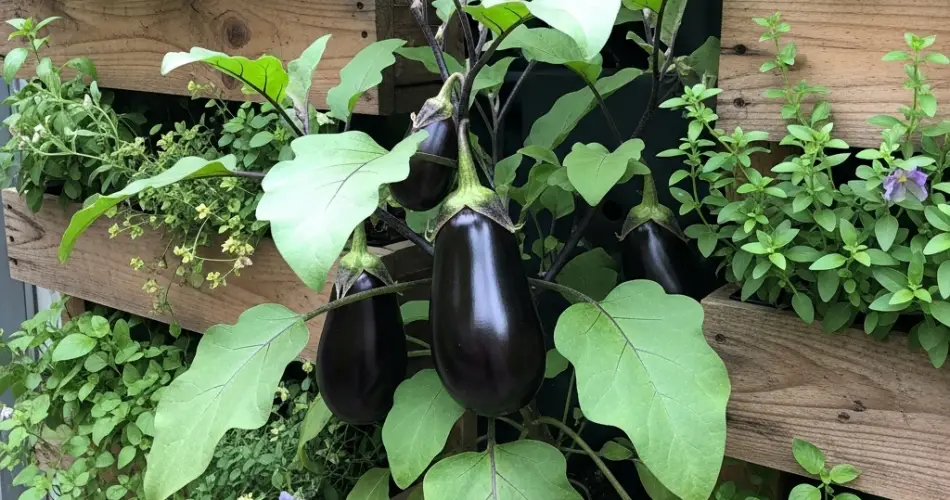
If you love growing your own vegetables but lack a traditional garden, don’t worry—eggplants can still be part of your harvest. With vertical gardening using recycled plastic bottles, even the smallest spaces like balconies, terraces, or walls can become lush and productive. This method is cost-effective, space-saving, and eco-friendly, making it perfect for urban gardening. Here’s how to grow eggplants vertically using bottles step by step.
Why Eggplants Work in Bottles
Eggplants are versatile vegetables that can grow in containers if provided with the right care. While they typically have a deep root system, certain compact varieties adapt well to limited spaces. Vertical gardening with bottles gives the added benefit of maximizing unused vertical surfaces—turning walls or fences into green, edible art.
This method is also a great way to reuse plastic bottles, reducing household waste and avoiding the need for expensive pots.
What You’ll Need
To get started, gather the following materials:
-
1.5-liter or 2-liter plastic bottles (preferably clear and undamaged)
-
Eggplant seedlings or seeds (choose compact varieties)
-
Rich potting soil mixed with compost
-
Sharp cutter or utility knife
-
Wire, rope, or thick string for hanging
-
Nail or screwdriver for punching holes
-
Small bamboo sticks or wooden skewers for plant support
-
Sunlit wall or balcony railing for mounting the bottles
Step 1: Select the Right Eggplant Variety
Choose varieties that are compact, such as:
-
‘Patio Baby’ – ideal for containers, produces small fruit
-
‘Fairy Tale’ – compact and decorative
-
Thai or Japanese types – smaller and lighter than large globe varieties
These types require less root space and adapt better to bottle growing.
Step 2: Prepare the Bottles
-
Clean each plastic bottle thoroughly and remove the label.
-
Cut a rectangular window on one side of the bottle, leaving enough room to fill with soil and plant the seedling.
-
Create drainage holes at the bottom using a nail or screwdriver. These prevent root rot and allow excess water to escape.
-
Punch two holes on either side of the top (just below the cap) for threading rope or wire for hanging.
Optional: Leave the bottle caps on and poke a few small holes in them to create a slow-drip watering system if watering from the top.
Step 3: Prepare the Soil Mix
Eggplants prefer rich, well-draining soil. A good mix includes:
-
2 parts potting soil
-
1 part compost
-
1 part coco peat or rice hulls to help retain moisture
Mix thoroughly before filling the bottles.
Step 4: Planting
-
For seeds: Sow 2–3 seeds per bottle and cover lightly with soil. Keep moist and thin to the strongest seedling once sprouted.
-
For seedlings: Dig a small hole in the soil and gently insert the seedling, firming the soil around its base.
Fill the bottle up to about 2 cm below the window opening to avoid soil spilling during watering.
Step 5: Hang the Bottles
Use wire, rope, or string to hang the bottles on a sunny wall, fence, or railing. Choose a location that receives at least 6–8 hours of sunlight per day. The bottles can be arranged in a vertical row or grid depending on your available space.
Make sure the supports are secure, as the bottles will become heavier once filled with soil and watered.
Step 6: Watering and Maintenance
Eggplants need regular watering, especially in warm or dry weather. Water once or twice daily, but always ensure good drainage.
For added nutrition, feed the plants every two weeks with organic fertilizer, compost tea, or a banana peel solution. Keep an eye on pests like aphids or spider mites, which can be wiped off or treated with mild soap spray.
Step 7: Support and Pruning
As your eggplant grows, it may need support. Use small bamboo skewers or a vertical stick behind the bottle to help keep the plant upright. Tie the stem loosely with string if it begins to lean.
Remove lower leaves or side shoots to focus energy on fruit production. This also improves airflow and reduces the risk of disease.
Step 8: Pollination and Fruiting
If you’re growing on a balcony or indoors, you might need to hand-pollinate the flowers. Use a soft brush or your finger to transfer pollen between flowers.
Once fruits begin to appear, monitor them closely. Support them if they become too heavy by tying them gently to the plant support.
Step 9: Harvesting
Eggplants are usually ready to harvest 60–80 days after planting. Pick them when they are firm, shiny, and still young—overripe eggplants can turn bitter. Use scissors or a knife to cut the fruit off the stem rather than pulling to avoid damaging the plant.
Conclusion
Growing eggplants in vertical bottle gardens is an excellent way to enjoy homegrown vegetables without needing a traditional garden. This creative, sustainable method turns even small spaces into productive growing areas. With regular care and sunlight, you’ll soon be harvesting beautiful, fresh eggplants from your wall garden—proof that even limited space can yield abundant rewards.


