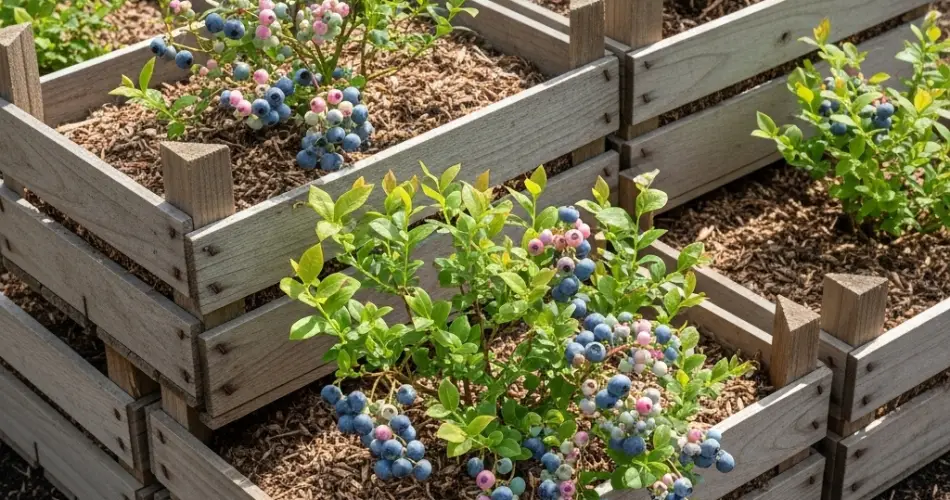
Blueberries are among the most rewarding fruits to grow at home. Not only are they packed with antioxidants, but their compact size and adaptability make them excellent candidates for container gardening. For urban gardeners or those with limited yard space, growing blueberries in crates is an ideal solution. Crate-grown blueberries allow for easy mobility, controlled soil conditions, and a beautiful, rustic touch to your garden. With the right setup and care, you can enjoy fresh, juicy berries straight from your balcony, patio, or backyard.
This step-by-step guide will walk you through everything you need to know about successfully cultivating blueberries in crates.
Step 1: Choosing the Right Crate
The first step is selecting a sturdy container. Wooden crates are perfect because they provide good insulation for roots, promote drainage, and give a rustic charm to your garden setup. Make sure the crate:
-
Is at least 18–24 inches deep to accommodate root systems.
-
Has a width of 18 inches or more for healthy plant spread.
-
Is made of untreated wood to avoid chemicals leaching into the soil.
-
Includes drainage holes at the bottom.
If the crate doesn’t come with a liner, you can add a breathable landscape fabric to keep soil in place while allowing water to drain freely.
Step 2: Selecting Blueberry Varieties
Blueberries come in several types, and the best one for your crate depends on your climate and available space. Popular choices include:
-
Highbush Blueberries: Best for cooler climates, producing large, sweet berries.
-
Rabbiteye Blueberries: Thrive in warmer regions with long growing seasons.
-
Half-High Blueberries: Compact varieties well-suited for containers and small spaces.
For continuous harvests, consider planting more than one variety to encourage cross-pollination.
Step 3: Preparing the Soil Mix
Blueberries have unique soil requirements. They thrive in acidic soil with a pH of 4.5–5.5. Ordinary garden soil is usually too alkaline, so you’ll need to create the right mix. Combine the following:
-
50% peat moss or coco coir (for acidity and moisture retention)
-
30% pine bark fines (to improve structure and aeration)
-
20% perlite or coarse sand (for drainage)
You can test the pH with a home kit and adjust as needed with soil sulfur or a store-bought acidifier.
Step 4: Planting Blueberries in the Crate
Once your crate and soil are ready, it’s time to plant.
-
Fill the crate with your prepared soil mix, leaving 2–3 inches at the top.
-
Remove the blueberry plant from its nursery pot and gently loosen the root ball.
-
Place the plant in the center of the crate, ensuring the crown sits level with the soil surface.
-
Fill in around the roots and press lightly to remove air pockets.
-
Water thoroughly to settle the soil.
Adding a mulch layer of pine needles or shredded bark helps conserve moisture and maintain acidity.
Step 5: Watering and Feeding
Blueberries need consistent moisture but dislike soggy conditions. Crates tend to dry out faster than garden beds, so monitor soil moisture carefully. Water when the top inch feels dry, ensuring deep, even watering.
For nutrition, use a fertilizer formulated for acid-loving plants, such as those made for azaleas or rhododendrons. Apply sparingly in early spring and midsummer, following package instructions. Avoid over-fertilization, which can harm roots.
Step 6: Positioning and Sunlight
Blueberries require full sun to produce abundant fruit—at least 6–8 hours daily. Place your crate in the sunniest part of your balcony, patio, or yard. One advantage of crate gardening is mobility; if needed, you can move the crate to follow the sun throughout the season.
Step 7: Pruning and Maintenance
Pruning keeps blueberry plants healthy and productive. In the first two years, focus on establishing strong roots and branches, removing flowers to encourage growth. Starting in year three, prune in late winter or early spring by:
-
Removing weak or damaged branches.
-
Cutting older stems to make room for new growth.
-
Shaping the plant for airflow and sunlight penetration.
This encourages bigger, sweeter berries each season.
Step 8: Harvesting Blueberries
Blueberries typically ripen from mid-summer to early fall, depending on the variety. Berries are ready when they turn deep blue and detach easily from the stem. Unlike some fruits, blueberries do not continue to ripen once picked, so wait until they’re fully colored before harvesting.
Harvest regularly to encourage more berries, and enjoy them fresh, frozen, or baked into your favorite treats.
Final Thoughts
Growing blueberries in crates is a practical and rewarding gardening method for anyone with limited space. By choosing the right container, preparing acidic soil, and giving the plants proper care, you can cultivate healthy bushes that provide fresh fruit year after year. The flexibility of crate gardening means you can easily rearrange your plants, protect them from harsh weather, and enjoy the rustic charm they bring to your balcony or patio.
With this step-by-step approach, even beginner gardeners can master the art of crate-grown blueberries and savor the sweet rewards of their efforts.


