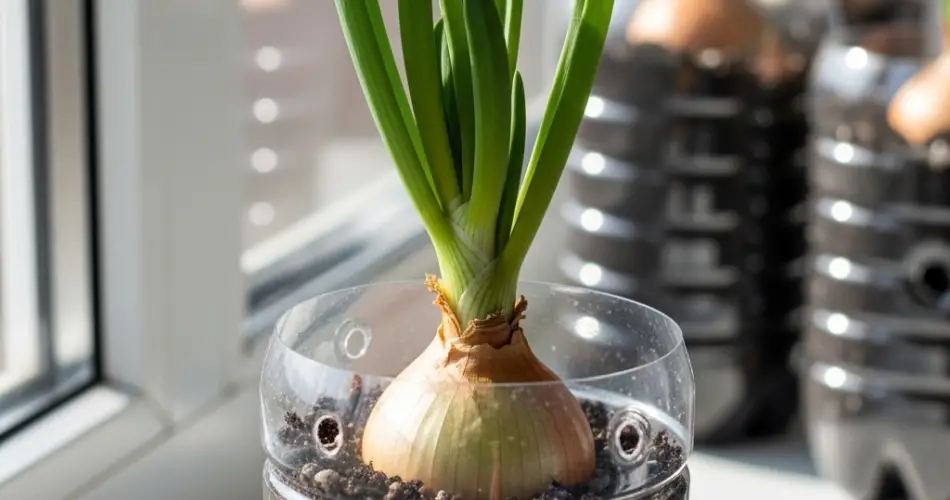
Onions are a kitchen essential, adding flavor and aroma to countless dishes. The good news is, you don’t need a large garden bed to grow them. With a few plastic bottles and the right approach, you can start your own mini onion patch right at home. This method is simple, budget-friendly, and ideal for balconies, windowsills, or even indoor gardening under good light.
Why Grow Onions in Bottles?
Plastic bottles act as compact, portable planters that conserve space and water. They allow you to control soil quality, reduce pests compared to ground planting, and make it easier to grow onions year-round. Using bottles also helps reduce plastic waste by repurposing materials that might otherwise be thrown away.
Choosing the Right Onions
Onions come in several forms:
-
Bulb Onions – Grown from sets, seeds, or seedlings, these produce large bulbs for storage.
-
Bunching Onions (Spring Onions) – Harvested young for their tender greens.
-
Miniature or Pearl Onions – Small, sweet bulbs great for pickling or roasting.
For bottle growing, bunching onions and smaller bulb varieties work especially well due to the limited soil depth.
Preparing the Bottle Planters
-
Select the Bottles – Use clean 1.5–2-liter plastic bottles. Clear bottles make it easy to check moisture, but avoid prolonged direct sun to prevent overheating the roots.
-
Cut the Bottles – Slice horizontally about one-third from the top. The bottom part serves as the planter, and the top can be inverted as a funnel for watering.
-
Add Drainage Holes – Make 4–6 small holes in the base to prevent water from collecting.
-
Optional Vertical Design – If you want to grow many onions in one bottle, cut holes along the sides, allowing onion sets to sprout out of them for a tiered effect.
Soil Preparation
Onions prefer loose, fertile, well-draining soil. A good mix for bottle growing is:
-
50% potting soil
-
30% coco coir or peat moss
-
20% compost or worm castings
Mix in a small amount of slow-release organic fertilizer to ensure steady nutrient supply. Avoid heavy, compact soil, which can stunt bulb development.
Planting Onions in Bottles
-
Filling the Bottle – Add your soil mix until about 3 cm from the rim.
-
Planting Bulb Sets – Place each set or small bulb with the pointed end facing up, about 2–3 cm deep. Space them evenly if growing just a few, or use the side-hole method for more plants.
-
Watering – Gently moisten the soil without saturating it.
If starting from seeds, sow them about 1 cm deep and keep the soil evenly moist until germination, which takes 7–14 days.
Light and Temperature Needs
Onions thrive in full sun, so aim for at least 6–8 hours of direct light daily. If growing indoors, place bottles in the brightest spot available or use an LED grow light. Optimal growing temperatures range between 13–24°C (55–75°F).
Caring for Bottle-Grown Onions
-
Watering – Keep soil consistently moist, but avoid overwatering, which can cause rot. Bottles tend to dry faster, so check daily.
-
Feeding – Every 2–3 weeks, apply a diluted liquid organic fertilizer, focusing on phosphorus and potassium for bulb formation.
-
Leaf Care – Remove any yellow or damaged leaves to maintain plant health.
-
Weeding – Bottle planters rarely have weed issues, but remove any that appear to prevent competition for nutrients.
Harvesting Green Onions
Green onions can be harvested as soon as they reach pencil thickness, usually within 3–4 weeks from planting sets. Cut leaves about 2–3 cm above the base to encourage regrowth, allowing multiple harvests from the same plant.
Harvesting Bulb Onions
Bulb onions take longer—around 3–4 months depending on the variety. You’ll know they’re ready when the tops turn yellow and begin to fall over. To harvest:
-
Gently loosen the soil in the bottle.
-
Lift the bulb out carefully to avoid damage.
-
Cure bulbs in a dry, airy place for 2–3 weeks before storing in a cool, dark area.
Common Issues and Solutions
-
Small Bulbs – Often caused by overcrowding, insufficient sunlight, or poor soil fertility. Thin plants early and ensure they get full sun.
-
Rot – Prevent by ensuring bottles have proper drainage and avoiding waterlogged soil.
-
Pests – Thrips or onion maggots can be deterred by rotating crops and keeping the growing area clean.
Benefits of the Bottle Technique
-
Space-efficient—perfect for small living spaces
-
Recycles plastic bottles, reducing waste
-
Portable—move plants easily for best sunlight
-
Minimal weeding and maintenance
-
Suitable for both green and bulb onions
Final Tips for Success
For a continuous harvest, plant new bottles every few weeks. Rotate bottles so all plants get even sunlight, and keep them clean between plantings to prevent disease. With a little care and creativity, you can enjoy fresh onions from your own mini bottle garden all year round.
By turning simple plastic bottles into productive planters, you’re growing your own food while helping reduce waste—an easy, eco-friendly way to bring fresh flavor to your table.


