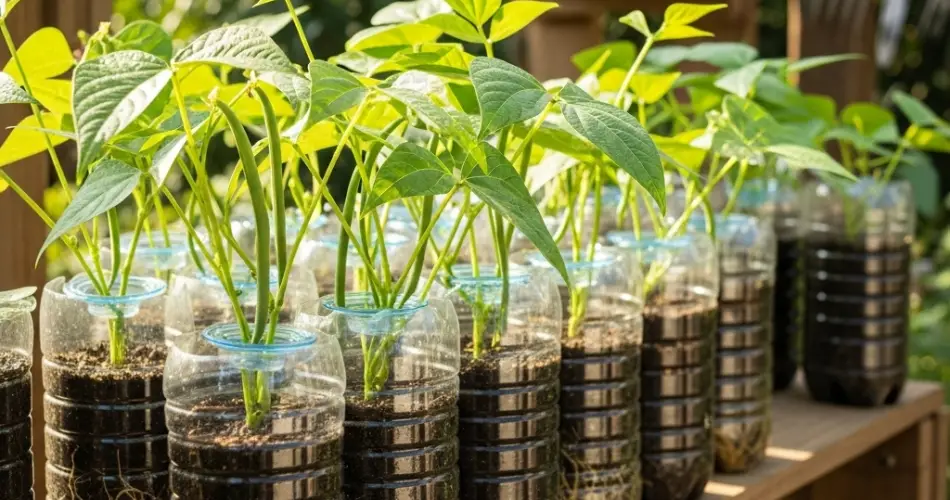
Growing beans is a rewarding gardening activity, especially when you have a method that promotes strong root development from the very beginning. One such method uses plastic bottles as mini greenhouses, creating an ideal environment for seeds to sprout and young plants to grow. This approach not only helps you raise healthy seedlings but also makes use of recycled materials, reducing waste and saving space. Whether you have a sprawling garden or just a few pots on your balcony, starting beans in bottles can give you a head start toward a productive harvest.
Why Start Beans in Bottles?
Plastic bottles provide a controlled microenvironment for germination. The transparent sides let in light while trapping warmth and moisture, much like a greenhouse. This setup protects seedlings from sudden weather changes, excessive rain, and pests that might otherwise damage tender young plants. In addition, you can easily monitor root growth through the clear bottle, allowing you to decide exactly when the seedlings are ready for transplanting.
Because bottles are portable, you can move them to sunnier or shadier spots as needed, giving your seedlings the best growing conditions even before they touch garden soil. This is particularly beneficial for beans, which thrive in warm soil and can suffer if planted too early outdoors.
Choosing the Right Beans
Most bean varieties work well with this bottle-start method, including bush beans, pole beans, and even decorative varieties. Select seeds that are fresh and free from damage for the best germination rate. If you plan to grow climbing types, be sure you have trellises or poles ready for them after transplanting.
Preparing the Bottles
-
Select the bottles – Two-liter soda bottles or similar containers are ideal. Wash them thoroughly to remove any residue.
-
Cut and modify – Use scissors or a sharp knife to cut the bottle in half horizontally. The bottom half will serve as the planter, while the top can be inverted to act as a humidity dome.
-
Drainage holes – Make several small holes in the bottom half for proper water drainage. This prevents root rot and allows excess water to escape.
-
Add soil – Fill the bottom half with a light, well-draining seed-starting mix. Avoid heavy garden soil, which can compact and hinder root growth.
Planting the Beans
Place the seeds about 2–3 centimeters deep in the soil. If the bottle is wide enough, plant two or three seeds per container, spacing them evenly. Water lightly so the soil is moist but not waterlogged.
After planting, cover the bottle with its top half to create a mini greenhouse. The enclosed environment will help maintain consistent moisture and warmth, speeding up germination.
Care During Germination
Keep the bottles in a warm, bright spot, such as a sunny windowsill, balcony, or sheltered area in your yard. Check daily for moisture, adding small amounts of water when the soil begins to dry out. Condensation on the inside of the bottle is a good sign—it means the humidity is high enough for germination.
Within a week to ten days, you should see seedlings emerging. At this stage, you can gradually remove the top half of the bottle during the day to let the plants adjust to the outside air, replacing it at night to protect them from cooler temperatures.
Transplanting to the Garden
When the seedlings have developed at least two sets of true leaves and the roots are well established, they are ready to move to their permanent spot. Harden them off by placing the bottles outdoors for increasing periods each day over the course of a week.
To transplant, gently remove the seedling along with its soil, being careful not to disturb the roots. Plant in rich, well-drained soil with plenty of sun exposure. Space bush beans about 15–20 centimeters apart, and climbing varieties 20–25 centimeters apart, with support structures in place.
Benefits Beyond Beans
This bottle-start method can be adapted for many other vegetables and herbs, making it a versatile technique for home gardeners. It’s especially useful in regions with unpredictable spring weather, as it offers a level of protection during the most vulnerable stage of plant development.
Eco-Friendly and Cost-Effective
Using bottles for seed starting reduces plastic waste and saves money on seed trays or commercial greenhouses. You can reuse the same bottles for multiple growing seasons, simply replacing the soil each time. This low-cost, sustainable approach makes it accessible to gardeners of all skill levels.
Final Thoughts
Starting beans in bottles gives you stronger seedlings, better germination rates, and an earlier harvest. The combination of controlled moisture, warmth, and protection from pests helps your plants establish a healthy root system before they face the challenges of the outdoor environment. With just a little preparation and care, you can transform discarded bottles into a productive part of your gardening routine—and enjoy a bountiful supply of fresh beans all season long.


