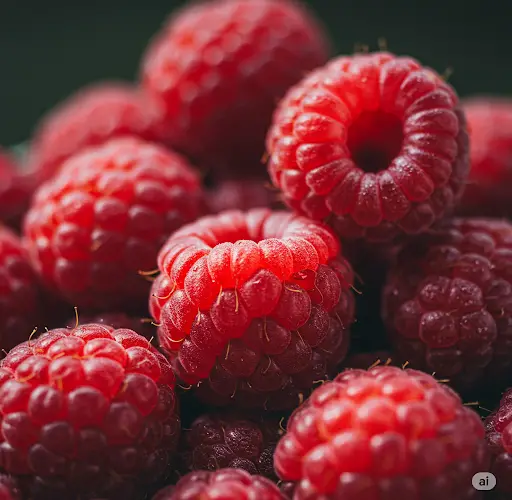
Raspberries are a delicious and rewarding crop to grow, but if you want to enjoy a plentiful harvest, proper spring pruning is essential. Unlike many other fruits, raspberries require different pruning techniques depending on the variety—whether you’re growing summer-bearing or everbearing (also known as fall-bearing) types. Pruning not only boosts berry production but also helps keep your plants healthy and easier to manage.
Here’s a complete guide to spring pruning techniques that will help you get more raspberries from each plant.
1. Know Your Raspberry Type
Before you begin pruning, it’s important to identify whether your raspberries are summer-bearing or everbearing. The pruning method varies significantly between the two.
-
Summer-bearing raspberries produce fruit once per year on canes that grew the previous season.
-
Everbearing raspberries (also called fall-bearing) produce fruit twice: once in late summer on the current year’s growth, and again the next summer on the same canes.
Knowing which type you have ensures you won’t accidentally cut off future fruit.
2. Remove Dead Canes First
No matter the variety, the first step in spring pruning is to remove all dead, damaged, or weak canes.
Steps to follow:
-
Wait until the canes begin to show signs of life—look for swelling buds or green tissue when you scrape the surface.
-
Using clean, sharp pruning shears, cut dead canes all the way to the ground.
-
Dispose of the removed canes to prevent disease from spreading.
Removing dead wood allows more light and air to circulate through the plant, promoting healthy new growth.
3. Pruning Summer-Bearing Raspberries
Summer-bearing varieties require a more selective approach since fruit will only form on last year’s canes.
What to do:
-
After removing dead canes, identify the canes that grew last year (these will be light brown and firm).
-
Leave 4 to 6 of the healthiest canes per foot of row. Trim them back to around 4–5 feet tall, or to just above a strong bud.
-
Thin out any overcrowded or spindly canes to give the remaining ones space and support.
These canes will bear fruit this summer, and thinning ensures larger berries and easier harvesting.
4. Pruning Everbearing Raspberries for One Big Fall Harvest
If you prefer a single, large harvest in the fall, prune everbearing raspberries differently.
Simple method:
-
Cut all canes down to ground level in early spring before new growth begins.
This method eliminates the summer crop, but allows the plant to concentrate all its energy into a generous fall harvest on new canes.
5. Pruning Everbearing Raspberries for Two Harvests
If you want both a summer and fall harvest from your everbearing raspberries, use a two-phase pruning technique.
How to do it:
-
In early spring, remove any canes that fruited last fall by cutting them to the ground.
-
Keep the rest of the canes that did not bear fruit. These will produce a small summer crop.
-
After they fruit in summer, you can remove those canes as well or wait until next spring.
This method gives you two harvests, though they may be smaller than a single concentrated fall crop.
6. Support and Train Canes
Raspberries grow tall and can become tangled if not supported. After pruning, take time to tie the remaining canes to a support system.
Support options:
-
Use a trellis, T-posts with wire, or bamboo stakes.
-
Tie canes loosely using garden twine or soft ties, leaving space for growth and movement.
Supporting the canes reduces breakage, improves airflow, and makes harvesting easier.
7. Apply Mulch and Compost
After pruning, feed your raspberry plants and protect the roots by adding a layer of compost and mulch.
Steps:
-
Spread 2–3 inches of well-rotted compost around the base of each plant.
-
Cover with a mulch layer, such as straw or wood chips, to retain moisture and suppress weeds.
Healthy soil and consistent moisture are crucial for maximizing your berry yield.
Final Thoughts
Spring pruning is one of the most important tasks in raspberry care and can have a significant impact on your harvest. Whether you’re growing summer-bearing or everbearing varieties, taking the time to prune properly will result in healthier plants, larger berries, and a more manageable garden.
By removing old canes, thinning the new growth, and supporting the remaining canes, you help the plant direct its energy into producing fruit rather than foliage. Combine pruning with good soil care and you’ll be rewarded with a sweet, abundant raspberry crop season after season.


