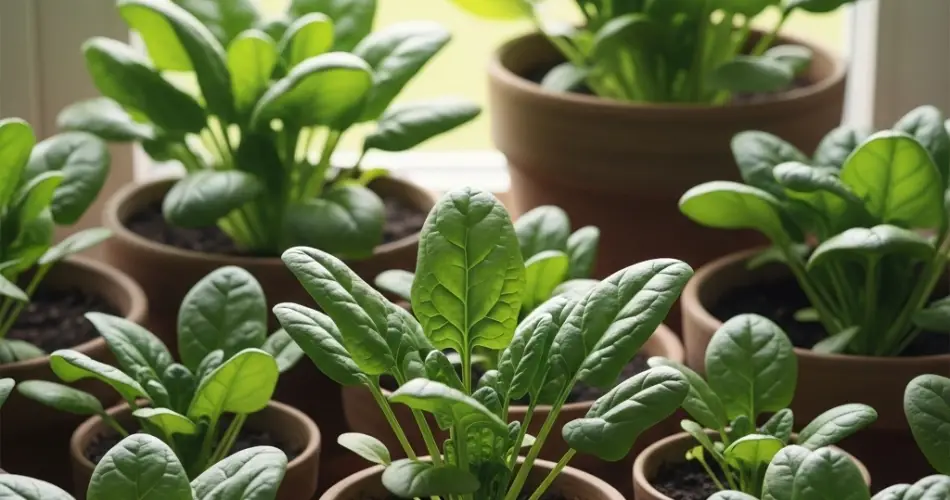
Growing your own spinach in pots is a practical and rewarding way to enjoy fresh greens, even if you don’t have a large garden. Spinach is a cool-season crop that grows quickly, requires minimal care, and thrives in containers, making it ideal for balconies, patios, or small urban spaces. With the right setup and maintenance, you can harvest crisp, nutrient-rich leaves straight from your own pot-grown plants.
Why Grow Spinach in Pots?
Container gardening offers several advantages when it comes to growing spinach. First, it gives you full control over soil quality and drainage—two crucial factors for spinach’s success. Second, pots are portable, so you can move them to optimize sunlight or protect your plants from harsh weather. Third, pests and diseases are easier to manage in pots than in open soil beds.
Spinach’s shallow roots and compact size make it an excellent candidate for container growing. Even if you’re working with limited space or just a sunny windowsill, you can still produce a healthy, steady crop.
Choosing the Right Container
The best containers for spinach are wide and shallow. Each plant only needs about 3–4 inches of soil depth, but it spreads sideways as it grows. A pot that’s at least 6–8 inches deep and 12–18 inches wide works well for multiple plants. If you’re growing just one or two spinach plants, smaller pots will also suffice.
Make sure the pot has drainage holes at the bottom to prevent water from accumulating and rotting the roots. Plastic, clay, ceramic, or fabric grow bags all work—just ensure whatever you choose allows good airflow and drainage.
Preparing the Soil
Spinach grows best in loose, fertile, well-draining soil with a neutral to slightly alkaline pH (6.5–7.5). Use a high-quality potting mix enriched with organic matter such as compost or worm castings. Avoid using garden soil in containers, as it tends to compact, hold too much moisture, and may contain pests or diseases.
For a nutrient boost, mix in a handful of organic fertilizer before planting. Spinach is a heavy feeder, especially of nitrogen, so using a slow-release fertilizer or supplementing with liquid feed every couple of weeks will help maintain healthy leaf growth.
Planting Spinach in Pots
You can either sow spinach seeds directly into the pot or start them indoors and transplant once they’ve grown their first true leaves. Direct sowing is generally preferred for spinach to avoid disturbing its roots.
To plant, scatter the seeds thinly across the soil surface and cover them with a fine layer of soil—no more than ½ inch deep. Water gently to moisten the soil. Place the container in a location where it receives at least 4–6 hours of sunlight daily.
Germination usually takes about 7–14 days. Once the seedlings emerge and grow a couple of inches tall, thin them out so that each plant has about 3–4 inches of space. This helps reduce overcrowding and promotes better airflow.
Watering and Sunlight Needs
Spinach needs consistently moist soil but should never be waterlogged. Check the soil regularly and water whenever the top inch feels dry. In hot weather, pots can dry out quickly, so daily watering may be necessary.
While spinach prefers full sun, it’s also tolerant of partial shade—especially useful in warm climates where intense sunlight can cause the plant to bolt (go to seed prematurely). If your climate is hot, choose a location with morning sun and afternoon shade or use a shade cloth to moderate light exposure.
Harvesting Spinach
Spinach is typically ready for harvest 4–6 weeks after planting. You can pick the outer leaves once they are big enough to eat, allowing the center to keep growing. This “cut-and-come-again” method prolongs the harvest over several weeks.
For a one-time harvest, wait until the plant matures and cut it at the base. Just be sure to harvest before the plant bolts, as leaves become bitter once it starts flowering.
Common Problems and Tips
-
Bolting: High temperatures or long daylight hours can cause spinach to bolt. To delay this, choose bolt-resistant varieties and provide some afternoon shade.
-
Pests: Aphids, leaf miners, and slugs may appear. Remove pests by hand, use neem oil spray, or encourage natural predators.
-
Yellowing Leaves: This could indicate overwatering, poor drainage, or nutrient deficiency. Adjust your watering routine and feed the plant with a balanced fertilizer.
Best Spinach Varieties for Containers
-
Bloomsdale: A classic, crinkled-leaf variety known for its rich flavor.
-
Baby’s Leaf: Small, tender leaves that mature quickly—perfect for salads.
-
Space: A smooth-leaf hybrid that resists disease and bolts slowly.
Final Thoughts
Growing spinach in pots is a great way to bring healthy, fresh greens to your table with minimal effort. Whether you’re a seasoned gardener or just starting out, a well-prepared pot of spinach can thrive in small spaces and yield multiple harvests. With the right soil, container, and care, you’ll enjoy a steady supply of nutritious leaves throughout the season.


