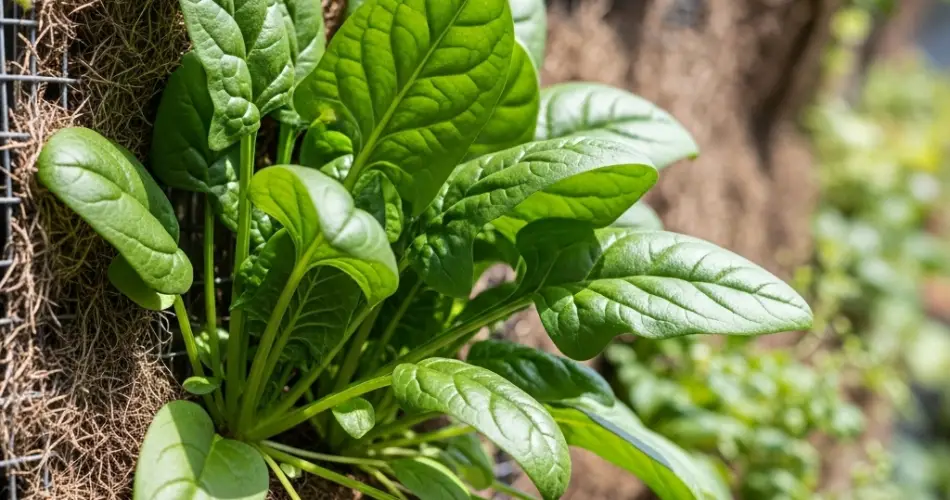
If you’re short on space but still want to enjoy fresh, homegrown greens, vertical gardening offers a simple and productive solution. Among the easiest leafy vegetables to grow in this style is spinach. With its shallow root system and fast-growing nature, spinach adapts well to vertical planters, especially when grown in repurposed containers like hanging bottles or wall-mounted racks. This method not only saves space but also adds a touch of green to otherwise bare walls or fences.
Here’s a beginner-friendly guide to growing spinach on the wall using vertical gardening techniques.
Why Grow Spinach Vertically?
Spinach is a compact, quick-growing leafy green that doesn’t require much soil depth, making it ideal for small pots, hanging bottles, and vertical garden structures. Vertical gardening is especially useful for apartment dwellers or urban homeowners with limited outdoor space. It maximizes growing areas by utilizing vertical surfaces such as fences, balcony walls, or sunny sides of buildings.
Growing spinach on the wall also improves air circulation around the plants, reduces soil-borne disease risks, and keeps pests like snails and slugs at bay. Plus, it makes harvesting easier and more accessible.
Materials You’ll Need
You don’t need expensive equipment to get started. Here’s what you’ll need:
-
Plastic bottles (1.5 or 2-liter), small pots, or wall-mounted planters
-
A knife or scissors
-
Twine, wire, or hooks for hanging
-
Quality potting mix
-
Spinach seeds or seedlings
-
Watering can or spray bottle
-
Compost or organic fertilizer
Optional: A wooden or metal frame for organizing multiple containers vertically.
Preparing the Containers
If you’re using plastic bottles, begin by cutting a rectangular window into the side of each bottle, large enough to plant and access your spinach. Keep the neck and bottom intact. Poke a few small holes at the base for drainage, and place a mesh or cloth over the holes inside to prevent soil from washing out.
Drill or poke two holes near the top and bottom sides of the bottle, and thread twine or wire through them so the bottle can hang vertically. You can mount the containers on a wall, wooden pallet, or metal rack using nails, hooks, or screws.
Arrange the containers so that there’s enough space between each one for the spinach to grow and for you to water and harvest easily.
Preparing the Soil
Spinach prefers loose, well-draining soil rich in organic matter. Use a quality vegetable potting mix, and mix in compost or worm castings for additional nutrients. Avoid heavy, compacted soil, which can retain too much moisture and lead to root problems.
Fill each container about ¾ full with your potting mix. Moisten the soil lightly before planting the seeds or seedlings.
Planting Spinach
Spinach can be grown from seeds or transplants. For direct sowing, place 2–3 seeds in each container about ½ inch deep. Once the seedlings sprout, thin them by keeping the healthiest one in each spot. If you’re using seedlings, plant them carefully into the moist soil and press around the roots to secure them in place.
Spinach grows best in cool weather and partial sun. Choose a wall that receives 4–6 hours of sunlight daily—preferably morning sun with afternoon shade. Too much intense sunlight can cause spinach to bolt (go to seed), reducing leaf quality.
Watering and Care
Since vertical containers tend to dry out faster than garden beds, regular watering is essential. Check the soil daily, and water when the top inch feels dry. Use a watering can with a narrow spout or a spray bottle to avoid displacing soil during watering.
To help retain moisture and prevent soil erosion, consider adding a thin layer of organic mulch such as coconut husk fiber or shredded leaves to the surface of the soil.
Spinach doesn’t need heavy feeding. A diluted organic liquid fertilizer every two weeks will keep the plants growing strong. Avoid over-fertilizing, which can lead to excessive leaf growth at the expense of flavor.
Pest Management
Spinach is generally low-maintenance but can attract aphids or leaf miners. Check the underside of the leaves regularly for pests. If needed, spray with a neem oil solution or insecticidal soap to control infestations naturally.
Keeping the vertical setup clean and well-ventilated also helps prevent common fungal issues.
Harvesting Spinach
Spinach is typically ready for harvest 30 to 45 days after planting. Use the “cut-and-come-again” method: snip the outer leaves with scissors and leave the inner ones to continue growing. This allows for multiple harvests from the same plant.
Alternatively, you can harvest the entire plant when it forms a full rosette by cutting it about an inch above the soil level.
For a continuous supply of fresh greens, plant new seeds every two to three weeks.
Final Thoughts
Growing spinach on the wall is a smart, efficient way to produce fresh food in even the smallest of spaces. With a few recycled materials and regular care, you can enjoy crisp, nutritious spinach from your vertical garden right at home. This beginner-friendly method not only promotes sustainable living but also turns any blank wall into a vibrant and productive green space. Whether you’re new to gardening or just looking to make the most of limited space, vertical spinach gardening is a great place to start.


