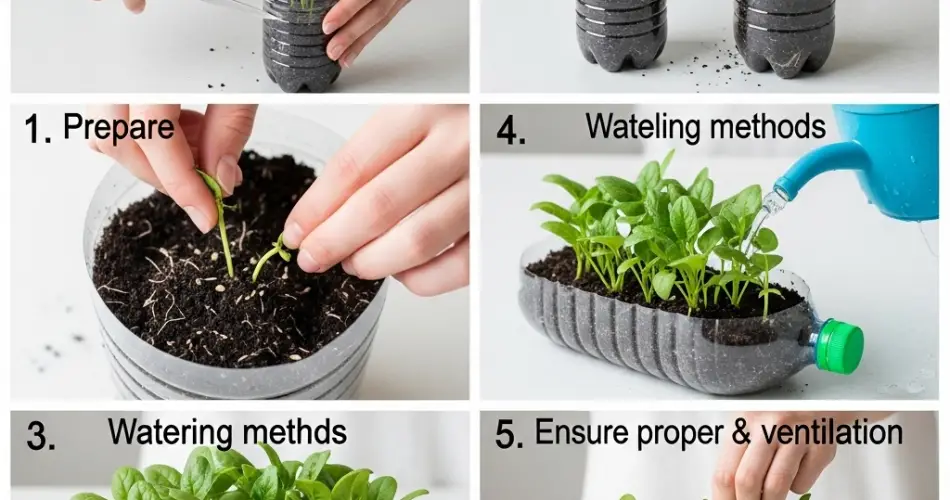
Growing spinach at home doesn’t require a large garden or expensive equipment. In fact, with just a few recycled plastic bottles, you can grow and propagate healthy spinach in a way that’s not only eco-friendly but also perfect for urban spaces. This method makes the most out of limited space and resources, offering a continuous supply of this nutritious leafy green right from your balcony, windowsill, or backyard wall.
Here’s a step-by-step guide to growing spinach using recycled bottles, allowing you to enjoy fresh harvests while practicing sustainable gardening.
Why Use Bottles for Growing Spinach?
Plastic bottles are a great alternative to traditional pots, especially for gardeners looking to reduce waste and save space. Spinach, being a shallow-rooted plant, thrives in containers as long as they have good drainage and access to light and moisture. Bottles make it easy to:
-
Maximize vertical gardening opportunities.
-
Reuse household waste.
-
Minimize costs while creating a productive growing system.
-
Control soil quality and moisture better in small batches.
By repurposing bottles into planters, you’re not just growing food—you’re reducing plastic waste and promoting sustainable habits.
Materials Needed
To start your spinach garden using bottles, prepare the following:
-
Clean, empty plastic bottles (1.5 to 2 liters work best)
-
Sharp knife or scissors
-
Nail or screwdriver (for drainage holes)
-
Organic potting soil mixed with compost
-
Spinach seeds or healthy spinach cuttings with roots
-
String or wire (optional for vertical hanging)
-
Watering can or spray bottle
Preparing Your Bottle Planters
-
Cut the Bottles: There are two main styles for preparing bottles:
-
Horizontal planters: Cut a wide rectangular opening on the side of the bottle, leaving the rest intact. Ideal for laying flat on a shelf or table.
-
Vertical planters: Cut a window on the side and use the top for hanging. This works well if you’re mounting bottles on a wall or hanging them by a string.
-
-
Create Drainage: Poke 3–5 holes at the bottom of the bottle using a hot nail or screwdriver. This prevents waterlogging and root rot.
-
Fill with Soil: Add well-draining soil up to 3/4 of the bottle’s height. Mix in compost or organic fertilizer to enrich the soil.
Planting Spinach from Seeds or Cuttings
From Seeds:
-
Soak the seeds overnight to speed up germination.
-
Sow 2–3 seeds per bottle, spaced evenly.
-
Cover lightly with soil and water gently.
-
Place the bottles in a shaded spot until germination begins (usually 5–10 days), then move to partial sunlight.
From Cuttings:
-
If you have mature spinach plants, you can regrow from healthy cuttings.
-
Choose stems with visible root nodules or a small root section.
-
Place the base in water for a few days until new roots form.
-
Transplant the rooted cutting into the prepared soil in bottles and water gently.
Optimal Growing Conditions
Spinach grows best in cooler temperatures between 10–22°C (50–72°F). Keep your bottle planters in areas that receive 4–6 hours of indirect sunlight daily. Too much heat can cause the plant to bolt (go to seed early), affecting leaf quality.
Ensure bottles are placed where air circulates freely to reduce the risk of fungal infections. If you’re growing vertically, use wall brackets, wooden pallets, or hanging racks to secure the bottles.
Watering and Fertilizing
Spinach prefers consistently moist but not soggy soil. Use a spray bottle or fine-nozzled watering can to water once or twice a day depending on the weather. Avoid letting the soil dry out completely.
Every two weeks, apply a diluted organic liquid fertilizer or compost tea to encourage healthy leaf growth. Over-fertilizing can lead to overly soft leaves and poor flavor, so keep feedings light and regular.
Harvesting and Regrowth
Spinach grown in bottles can be harvested in a “cut-and-come-again” style:
-
Begin harvesting when leaves are about 4–5 inches long.
-
Snip the outer leaves, leaving the center intact to promote regrowth.
-
You can continue harvesting from the same plant every 7–10 days for several weeks.
After a few rounds, the plant may become leggy or bitter—at this point, replace it with a new cutting or start fresh from seed in the same bottle.
Pest and Disease Management
Spinach in containers is less susceptible to pests, but keep an eye out for aphids and leaf miners. Use neem oil or a diluted soap spray as a natural remedy. Always remove damaged or yellowing leaves to prevent the spread of disease.
Ensure drainage holes are not blocked, as stagnant water can lead to fungal infections like damping-off.
Sustainability Tip: Expand Your Bottle Garden
Once you master growing spinach in bottles, consider expanding your bottle garden with other leafy greens like lettuce, arugula, or mustard. Mix in herbs like parsley or chives to create a multi-crop bottle garden.
Using a wooden pallet or trellis as a support structure, you can create a vertical wall of greens—perfect for apartment dwellers or anyone with a small outdoor area.
Final Thoughts
Growing spinach in plastic bottles is an excellent way to combine sustainable living with nutritious home-grown food. This low-cost, space-saving method is perfect for beginners and seasoned gardeners alike. With regular care and a little creativity, your recycled bottles can become a continuous source of fresh, healthy spinach for months to come—right from your wall, balcony, or kitchen window.


