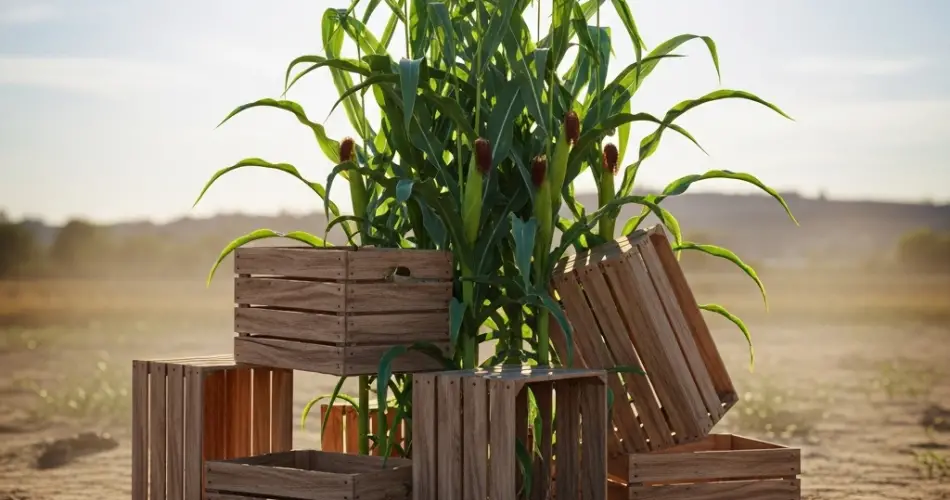
Corn has long been associated with wide, open fields and sprawling farmlands. However, modern urban gardeners are finding creative ways to bring this classic crop into small spaces by growing it in containers. Wooden boxes, in particular, provide a practical and visually appealing solution for cultivating corn at home. With the right setup and care, it’s entirely possible to enjoy fresh, homegrown corn—even on a balcony, patio, or compact backyard.
Why Grow Corn in Wooden Boxes?
Corn may not be the first crop that comes to mind for container gardening, but wooden boxes provide the necessary depth and width for roots to develop while conserving limited space.
Some advantages include:
-
Space optimization: Instead of sprawling across a garden bed, corn grows upward, making it well-suited to container arrangements.
-
Soil control: Wooden boxes allow gardeners to customize soil blends for optimal growth.
-
Mobility: Boxes can be repositioned to capture maximum sunlight throughout the season.
-
Aesthetic value: Rustic wooden planters add natural beauty to patios, decks, or balconies.
Choosing the Right Wooden Box
The size of the container is critical when growing corn. Each stalk requires room for strong root development and stability.
-
Depth and Width: Boxes should be at least 18–24 inches deep and 24–30 inches wide. Larger boxes can hold multiple stalks, while smaller boxes are better suited for compact corn varieties.
-
Material: Use untreated wood to prevent chemicals from leaching into the soil. Cedar and redwood are durable options that resist rot.
-
Drainage: Drill several holes at the bottom of the box to prevent waterlogging, and elevate the box slightly with bricks or blocks for airflow.
Preparing the Soil
Corn is a heavy feeder and requires nutrient-rich, well-draining soil. A good mix for wooden boxes includes:
-
40% quality garden soil
-
40% compost or well-aged manure
-
20% perlite or coarse sand for improved drainage
Adding organic matter ensures steady nutrient availability throughout the growing season. Since corn grows quickly, a balanced fertilizer high in nitrogen can also be applied.
Planting Corn in Wooden Boxes
1. Choose Compact Varieties
Dwarf or container-friendly varieties such as ‘Golden Bantam,’ ‘Trinity,’ or ‘Sweet Painted Mountain’ are ideal for small spaces. These types reach manageable heights and still produce flavorful ears.
2. Sow Seeds Directly
Corn does not transplant well, so sow seeds directly into the box once the soil has warmed to at least 60°F (15°C). Plant seeds 1 inch deep and about 8 inches apart. For proper pollination, plant at least 8–10 stalks together in a block formation rather than in a single row.
3. Thin Seedlings
Once seedlings emerge, thin them to the strongest plants to avoid overcrowding. Proper spacing ensures healthier growth and better yields.
Caring for Corn in Wooden Boxes
1. Watering
Corn requires consistent moisture, particularly during pollination and ear development. Wooden boxes tend to dry out faster than in-ground beds, so check soil daily and water thoroughly. Mulching with straw or leaves can help retain moisture.
2. Fertilizing
Apply a nitrogen-rich fertilizer every two weeks during early growth. Once tassels and ears form, switch to a fertilizer higher in potassium and phosphorus to support kernel development.
3. Sunlight
Corn thrives in full sun. Position wooden boxes in an area with at least 6–8 hours of direct light each day.
4. Pollination Support
Corn is wind-pollinated, so having multiple stalks in close proximity is essential. On balconies or patios with limited airflow, you can hand-pollinate by gently shaking tassels to release pollen over the silks.
Harvesting Corn
Corn is usually ready for harvest 60–100 days after planting, depending on the variety. You’ll know it’s time when:
-
Silks turn brown and dry.
-
Kernels are plump and release a milky liquid when pierced.
To harvest, twist the ear downward and pull firmly from the stalk. For the best flavor, cook or refrigerate corn soon after picking, as sugars convert quickly to starch.
Advantages of Wooden Box Corn Gardens
-
Compact solution: Makes growing corn possible in apartments and small homes.
-
Mobility: Boxes can be shifted to sunnier spots or protected from harsh winds.
-
Enhanced soil control: Gardeners can provide nutrient-rich, tailored soil conditions.
-
Decorative appeal: Wooden planters blend well with natural or rustic garden designs.
-
Educational value: A fun and rewarding way to teach children about food production.
Final Thoughts
Growing corn in wooden boxes is proof that even crops traditionally associated with wide fields can adapt beautifully to small-scale, urban gardening. With the right box size, proper soil preparation, and attentive care, anyone can enjoy the delight of harvesting sweet, fresh corn at home.
Whether you’re working with a balcony, patio, or a small yard, this method offers a practical, space-saving way to cultivate one of summer’s favorite crops. More than just a gardening project, wooden box corn gardens bring a touch of rustic charm while offering the satisfaction of enjoying homegrown food straight from your container patch.


