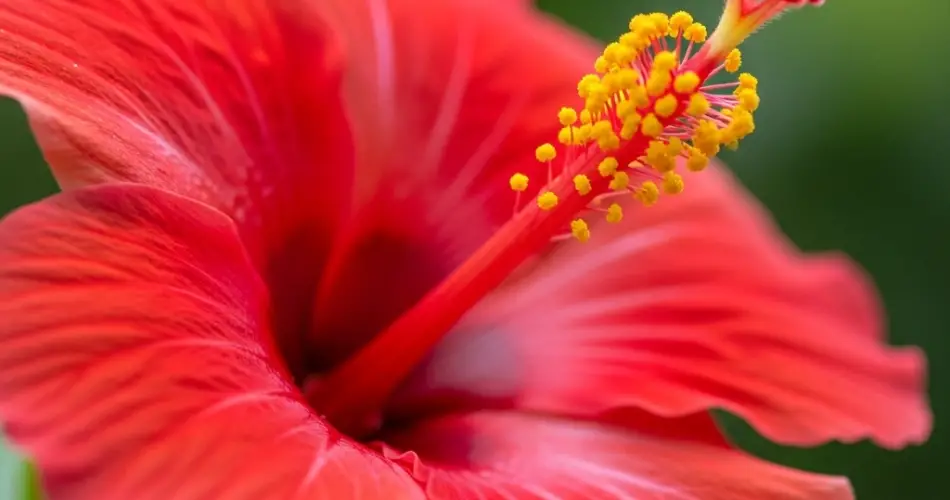
Hibiscus plants are loved for their vibrant, tropical blooms and lush green foliage. Whether you’re growing hardy hibiscus in the garden or tropical varieties in containers, one thing remains constant: proper soil and watering are essential for strong growth and continuous flowering. A well-cared-for hibiscus rewards you with bold, colorful blooms and healthy foliage throughout the growing season.
Here’s a complete guide on choosing the right soil and watering your hibiscus the right way to keep it thriving year-round.
The Ideal Soil for Hibiscus
Hibiscus plants are heavy feeders and enjoy soil that’s rich, well-draining, and slightly acidic. The correct soil mix will help retain moisture while preventing waterlogging, which can cause root rot—a common issue in poorly drained soils.
1. Soil Texture
-
Well-draining but moisture-retentive: Hibiscus roots need consistent moisture, but the soil shouldn’t stay soggy. A good balance is achieved with loamy soil that includes organic matter.
-
Avoid clay-heavy or compacted soil: These retain too much water and limit root development.
-
Sandy soils can work if amended with compost or peat moss to improve water and nutrient retention.
2. Soil pH
-
Hibiscus prefers slightly acidic soil, ideally between pH 6.0 and 6.5.
-
You can test your soil using a pH kit. If it’s too alkaline, add organic matter like pine needles, peat moss, or sulfur to lower the pH.
3. DIY Soil Mix for Container Hibiscus
If growing hibiscus in a pot, use this simple mix:
-
2 parts high-quality potting soil
-
1 part perlite or coarse sand (for drainage)
-
1 part compost or peat moss (for nutrients and moisture)
This mixture allows good root aeration and prevents water from pooling at the bottom of the pot.
Watering Hibiscus the Right Way
Watering is one of the most critical elements of hibiscus care. These plants need regular moisture to thrive, especially in hot or dry climates, but overwatering can lead to fungal problems and root rot.
1. How Often to Water
-
In-ground hibiscus: Water deeply 2–3 times a week during hot weather. Adjust based on rainfall and soil moisture levels.
-
Potted hibiscus: Water when the top 1–2 inches of soil feels dry. Potted plants dry out faster, especially during the summer, and may need daily watering.
Tip: Don’t rely on a strict schedule. Always check the soil moisture before watering.
2. How Much Water is Enough?
-
Give a deep soak, not a light sprinkle. Hibiscus roots grow deep, and shallow watering encourages weak root systems.
-
Water until you see moisture draining from the bottom of pots or until the ground is moist to several inches in garden beds.
3. Best Time to Water
-
Water in the morning, allowing the plant to absorb moisture before the heat of the day.
-
Avoid watering in the evening, as excess moisture lingering overnight can increase the risk of fungal diseases.
Signs of Overwatering and Underwatering
Understanding the symptoms of watering mistakes helps keep your hibiscus healthy.
Overwatering Signs:
-
Yellowing leaves
-
Wilting despite wet soil
-
Root rot (black, mushy roots)
-
Mold or fungus on the soil surface
Underwatering Signs:
-
Dry, crispy leaves
-
Flower buds dropping prematurely
-
Wilting in dry soil
-
Stunted growth
If your plant is showing stress, check the soil first to determine the cause before making changes.
Mulching Tips for In-Ground Plants
Adding mulch around the base of hibiscus helps maintain consistent soil moisture and temperature.
-
Use 2–3 inches of organic mulch like shredded bark, straw, or compost.
-
Keep the mulch a few inches away from the plant stem to prevent rot.
-
Mulch helps reduce water evaporation, especially during the summer.
Water Quality Matters Too
Hibiscus plants are sensitive to salt and chemical buildup in water. If you notice leaf browning or poor growth despite proper care:
-
Use rainwater or filtered water when possible.
-
Avoid softened water, as it often contains salt.
-
If using tap water, allow it to sit out overnight to reduce chlorine.
Container Tips for Drainage
If you’re growing hibiscus in pots:
-
Ensure pots have multiple drainage holes.
-
Use a well-draining potting mix, not garden soil.
-
Avoid saucers that hold standing water under the pot for long periods.
You can also add a layer of gravel or broken clay pieces at the bottom of the pot to improve drainage.
Conclusion
Growing healthy hibiscus starts with the right soil and consistent watering practices. Rich, well-draining soil and mindful watering routines support strong roots, lush growth, and those signature tropical blooms. Whether in the ground or in a container, always adapt your care to your climate and environment, and your hibiscus will reward you with vibrant color and beauty for months.


