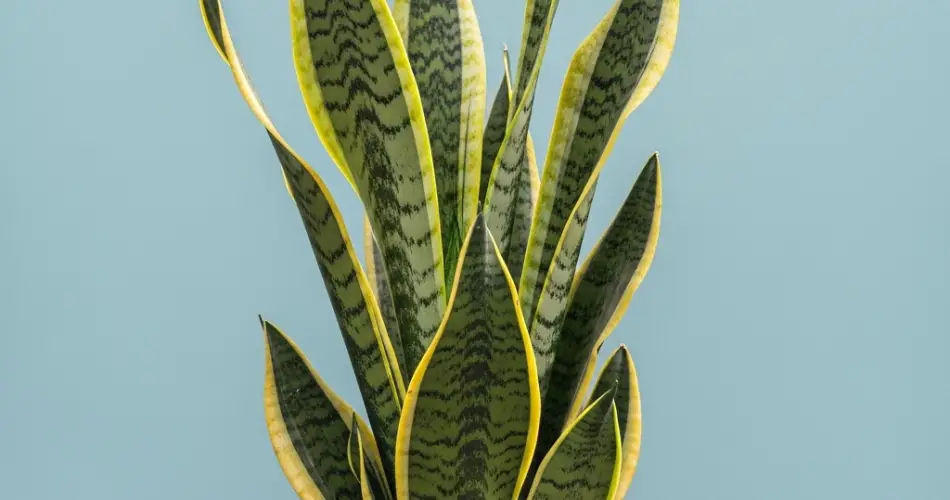
The snake plant (Sansevieria trifasciata), also known as mother-in-law’s tongue, is one of the most resilient and low-maintenance houseplants you can grow. With its upright, sword-shaped leaves and striking variegation, it’s become a favorite in homes and offices alike. But despite its popularity, several myths and misconceptions surround snake plant care. Believing these myths can lead to poor growth, unhealthy plants, or even premature death. Let’s bust the most common snake plant myths and reveal what truly works.
Myth 1: Snake Plants Don’t Need Any Light
Busted: While snake plants are famously tolerant of low light, that doesn’t mean they don’t need light at all. No plant can survive long-term in complete darkness.
What Works: Snake plants thrive in bright, indirect light but can tolerate low light conditions better than many other plants. For optimal growth, place your plant near a window with filtered sunlight. In very low light, growth may slow down, but the plant will usually survive.
Myth 2: You Should Water Snake Plants Every Week
Busted: Overwatering is one of the most common ways to kill a snake plant. They are succulents, meaning they store water in their leaves and don’t need frequent watering.
What Works: Let the soil dry out completely between waterings. During warmer months, you might water every 2–4 weeks depending on your climate. In winter, water even less frequently. Always check the soil first—if it’s still moist, wait a few more days before watering again.
Myth 3: Snake Plants Clean the Air So Well, You Don’t Need Ventilation
Busted: Snake plants do have air-purifying properties and can absorb toxins like formaldehyde and benzene in small amounts. However, they don’t replace the need for proper room ventilation.
What Works: Think of your snake plant as a bonus air purifier, not a replacement for airflow or mechanical ventilation. For cleaner indoor air, combine snake plants with other air-purifying methods like opening windows, using fans, or installing an air filter.
Myth 4: Snake Plants Are Totally Indestructible
Busted: Snake plants are hardy and forgiving, but they’re not invincible. Poor care, such as overwatering, poor soil, or lack of light, can still harm or kill them.
What Works: While these plants tolerate a range of conditions, they still need basic care. Use well-draining soil, avoid soggy pots, and provide moderate light. Occasionally inspect the leaves for signs of pests, rot, or disease.
Myth 5: You Never Have to Repot a Snake Plant
Busted: Although they like being a bit root-bound, snake plants still benefit from repotting every few years. Ignoring this can lead to stunted growth or a pot that literally cracks under root pressure.
What Works: Repot your snake plant every 2–3 years or when roots begin to push through the drainage holes. Choose a pot that’s 1–2 inches wider in diameter than the current one and refresh the soil during the process.
Myth 6: Fertilizer Isn’t Necessary for Snake Plants
Busted: Snake plants are low-maintenance, but they still benefit from nutrients, especially during the growing season.
What Works: Feed with a balanced liquid houseplant fertilizer diluted to half-strength once a month during spring and summer. Avoid fertilizing in winter when growth naturally slows down.
Myth 7: Snake Plants Attract Lots of Pests
Busted: Snake plants are actually resistant to most pests, making them ideal for indoor settings. However, they can occasionally attract mealybugs, spider mites, or fungal gnats if conditions are poor.
What Works: Keep an eye on the leaves for signs of pests, and only water when the soil is dry. If you do see pests, treat with neem oil or insecticidal soap. Good air circulation and cleanliness will help prevent infestations.
Myth 8: All Snake Plants Look the Same
Busted: There are many varieties of snake plants, and they come in different shapes, sizes, and colors. Some have cylindrical leaves, while others are short and compact.
What Works: Explore different cultivars like Sansevieria cylindrica, Laurentii, or Hahnii to add variety to your plant collection. Each variety has slightly different light and care preferences, but all are generally easy to grow.
Final Thoughts
Snake plants are incredibly easy to care for, but misinformation can lead to avoidable mistakes. Understanding the truth behind common myths will help you provide the best environment for your plant to thrive. Stick to well-draining soil, avoid overwatering, offer bright but indirect light, and fertilize moderately. With proper care, your snake plant will grow strong, stylish, and virtually trouble-free for years to come.


