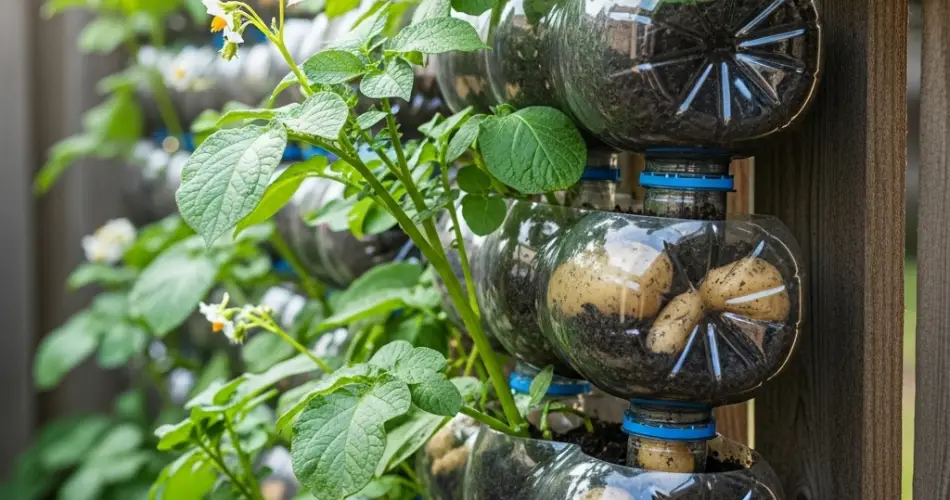
Potatoes are one of the most rewarding crops to grow at home. With the right care, they provide abundant harvests and can adapt to small or large growing spaces. While many gardeners think they need a full plot of land, potatoes can actually be started and even grown using simple household materials—like recycled plastic bottles. Bottle gardening is not only space-saving but also eco-friendly, making it perfect for balconies, patios, or compact backyards.
This guide explores how to use bottles to propagate potatoes, from preparing seed tubers to planting them in soil. With just a few materials and some patience, you can enjoy homegrown potatoes almost anywhere.
Why Grow Potatoes in Bottles?
Traditional potato planting requires mounds of soil and plenty of space. For urban gardeners, this isn’t always possible. Using bottles has several advantages:
-
Space efficiency: Each potato seed can grow in its own bottle cell, making it manageable for balconies or small yards.
-
Recycling made useful: Old plastic bottles are given a second life, reducing waste.
-
Close monitoring: Transparent bottles let you observe sprouting and root growth.
-
Controlled environment: Bottles provide a micro-climate, protecting young plants during their delicate early stages.
Preparing Seed Potatoes
Start with certified seed potatoes, which are healthier and less prone to disease than store-bought tubers. Look for firm potatoes with visible eyes—the small dimples where sprouts form.
Large tubers can be cut into halves or quarters, but each piece must contain at least two eyes. After cutting, allow the pieces to rest for a day or two. This drying period lets the surfaces callus, which helps prevent rot when planted.
Making Bottle Cells
Choose medium or large plastic bottles, ideally 1–2 liters. Cut each bottle into two or three sections, each about 8–10 cm tall. These pieces will serve as planting cells. Make drainage holes at the bottom of each to prevent water buildup. Arrange them on a tray to catch any excess moisture.
This simple method creates an organized system where each potato has its own compartment, reducing the risk of overcrowding.
Setting Up the Medium
Fill each bottle section with a light, well-draining medium. A mix of soil, compost, and sand works well, but some gardeners use coconut coir or peat to encourage sprouting. Place the potato piece cut-side down, eyes facing upward.
You don’t need to bury the potato too deeply—just nestle it into the medium so that the top remains slightly visible. This encourages sprouts to grow upward while roots form below.
Ideal Conditions for Sprouting
Potatoes sprout best in bright, indirect light. Place the bottle cells near a window, balcony, or lightly shaded patio. Avoid harsh, direct sunlight, which may overheat the bottles.
The ideal temperature for sprouting is between 15–20°C (59–68°F). Too cold, and sprouting slows; too warm, and shoots may grow long and fragile.
Within two to four weeks, you should notice green sprouts forming. Strong, compact shoots about 2–3 cm long are perfect for transplanting.
Caring for Bottle-Grown Potato Starts
Moisture control is the key to success. Keep the medium slightly damp but never waterlogged. Overwatering may cause tubers to rot. If sprouts look pale or weak, move the setup to a brighter location.
Because bottles are small, they may dry out faster than larger containers, so check regularly. Gentle misting often works better than heavy watering.
Transplanting into Larger Containers or Soil
Once sprouts have developed, it’s time to move your potato starts to a permanent growing spot. Handle them carefully, as young sprouts are delicate. Lift the potato out of the bottle cell and place it into a garden bed, raised crate, or large container filled with loose, rich soil.
Plant each potato 10–15 cm deep, with sprouts pointing upward. Space them adequately to give roots and tubers room to develop. Cover with soil and water lightly.
As plants grow, mound soil or compost around the base to encourage more tuber formation. This traditional practice, called “earthing up,” prevents tubers from being exposed to sunlight and turning green.
Benefits of Bottle Gardening for Potatoes
This method combines the practicality of small-space gardening with the benefits of sustainable living. It:
-
Reuses plastic bottles that would otherwise go to waste.
-
Simplifies potato propagation for beginners.
-
Provides visible progress so you can learn from the growing process.
-
Adapts to urban lifestyles where space is limited.
Final Thoughts
Smart bottle gardening turns an ordinary plastic bottle into a useful tool for starting potatoes. With a handful of seed tubers, some recycled bottles, and a sunny spot, you can propagate healthy potato plants that will thrive once transplanted into larger containers or soil.
This approach not only makes gardening more accessible but also demonstrates how resourcefulness can transform waste into productivity. Whether you’re a beginner or an experienced grower, using bottles for potato propagation offers an easy, sustainable way to start your next harvest.


