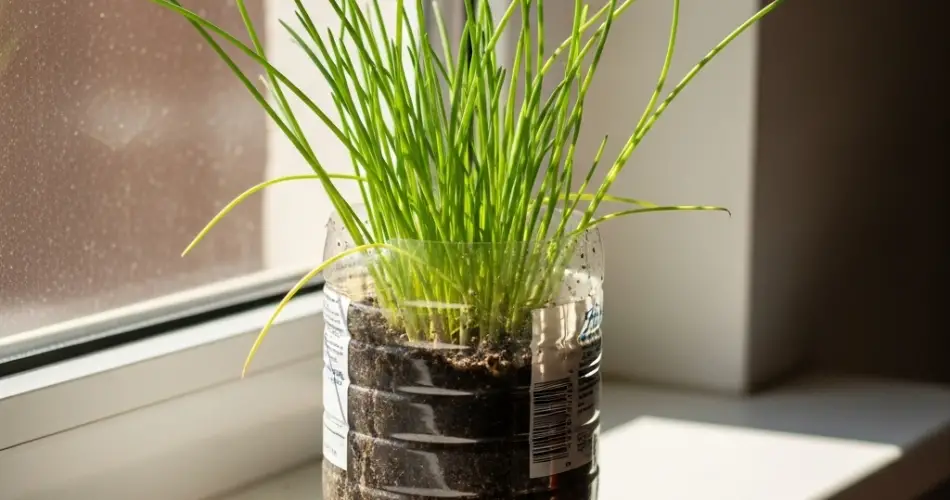
Lemongrass (Cymbopogon citratus) is a wonderfully fragrant herb that brings both flavor and beauty to any home garden. Even if you’re working with limited space—like a small balcony, patio, or windowsill—you can still grow lush, vibrant lemongrass in containers. Not only is it easy to maintain, but it also grows fast and provides a steady harvest of fresh stalks that can elevate your home cooking or tea-making routine. With the right care and setup, lemongrass is a perfect fit for urban gardening.
Why Lemongrass Thrives in Small Spaces
Lemongrass is naturally well-suited to container gardening. It doesn’t require deep soil or sprawling space to grow, making it ideal for balconies, terraces, and small outdoor nooks. It’s a hardy plant that adapts well to pots, responds positively to regular trimming, and even doubles as a beautiful ornamental grass due to its tall, graceful leaves.
In addition to its practical benefits, lemongrass repels insects like mosquitoes, making it a great choice for seating areas or near doors and windows.
Selecting the Best Container
When growing lemongrass in a small space, the right container is key. Choose a pot that is at least 12 inches (30 cm) in diameter and equally deep. Lemongrass grows in clumps and will need room for its roots to spread as the plant matures. Containers made of clay, plastic, or ceramic all work well—as long as they have good drainage.
If your balcony is particularly small, vertical plant stands or railing planters can help you make the most of your space while keeping the lemongrass elevated and sunlit.
Potting Mix and Planting
Use a light, well-draining potting mix for lemongrass. A blend of standard potting soil with added perlite or coarse sand will ensure the soil doesn’t retain excess water. You can also add compost or worm castings to boost nutrients at planting time.
Lemongrass can be started from rooted stalks purchased at grocery stores or garden centers. Place the base of the stalks in water for about a week until roots form. Then transfer them to your container, planting them 2–3 inches deep. If planting more than one stalk, space them 6–8 inches apart for healthy growth.
Light and Location
Lemongrass loves sunlight and heat. For best results, place your container in a location that receives 6 to 8 hours of full sun each day. South- or west-facing balconies are usually ideal. If your space is shaded, consider rotating the pot regularly or using a reflective surface to increase light exposure.
During cold months, especially if temperatures drop below 10°C (50°F), move the plant indoors or into a sheltered spot to protect it from cold damage. Lemongrass is a tropical plant and will not survive frost.
Watering and Feeding
Lemongrass prefers evenly moist soil, especially during its active growing season in spring and summer. Water whenever the top inch of soil feels dry, but avoid waterlogging. In small containers, it may need daily watering in hot weather, while larger pots will retain moisture longer.
Feed the plant monthly with a balanced, all-purpose liquid fertilizer. This promotes strong root development and healthy leaf production. Organic compost tea or fish emulsion also works well for container-grown lemongrass.
Maintenance and Pruning
Lemongrass benefits from occasional pruning to keep it tidy and productive. Remove dry or yellowing leaves by hand or with scissors. You can also trim the tops of the leaves to encourage bushier growth.
Every 1–2 years, consider dividing the clump to rejuvenate the plant and make room for new growth. Simply remove the plant from its pot, separate the root ball into smaller sections, and replant each one in fresh soil.
Harvesting Lemongrass in Containers
Once stalks are about a half inch thick and over a foot tall, they’re ready for harvest. Choose the outer stalks and cut them at the base with a sharp knife or garden scissors. Leave the inner stalks intact so the plant can continue producing.
The thick white part of the stalk is what’s used for cooking. It’s full of flavor and can be used fresh, dried, or frozen for later. You can also use the leafy tops for tea or as a natural air freshener in your home.
Common Issues and Solutions
-
Leaf yellowing: Often due to poor drainage or overwatering. Ensure your container has enough holes and that water isn’t pooling at the bottom.
-
Slow growth: Usually caused by lack of sunlight or nutrients. Adjust placement and feed more regularly.
-
Pests like aphids or mites: Wipe leaves with a damp cloth or use insecticidal soap to control minor infestations.
Final Thoughts
Lemongrass is one of the easiest and most rewarding herbs to grow in a small space. Its minimal maintenance needs and versatility in the kitchen make it a smart addition to your balcony or container garden. Whether you’re brewing a refreshing tea, enhancing a home-cooked meal, or just enjoying its lemony scent, lemongrass is a valuable, low-fuss herb that fits perfectly into any compact gardening setup.


