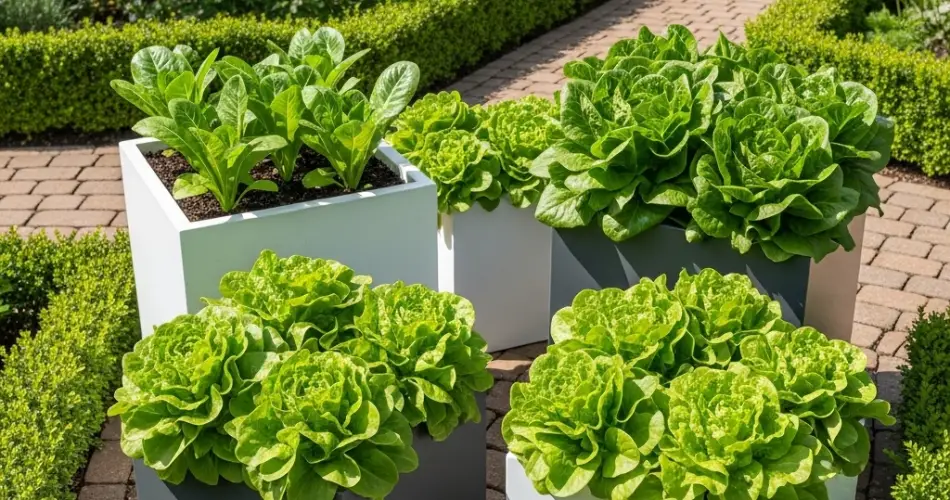
Growing your own vegetables doesn’t require a big backyard or complicated tools. If you have a small patio, balcony, or even just a sunny windowsill, you can cultivate crisp, flavorful lettuce in containers. Lettuce is one of the easiest and most rewarding crops for compact spaces—and it delivers quick results with minimal care.
This space-saving method is ideal for urban dwellers, apartment residents, and anyone looking to grow fresh greens at home without much effort. All you need is a container, quality soil, some seeds, and a few minutes of attention each week.
Why Lettuce Is a Great Crop for Small Spaces
Lettuce thrives in containers because it doesn’t require deep soil, grows quickly, and adapts well to indoor or outdoor conditions. It’s perfect for beginning gardeners, and even better for those short on time or space.
Benefits of growing lettuce in containers:
-
Needs only 4–6 inches of soil depth
-
Grows fast—ready in 30–45 days
-
Suitable for balconies, windowsills, and tabletops
-
Allows cut-and-come-again harvesting
-
Easy to grow year-round in many climates
-
Requires little maintenance
Choosing the Right Lettuce Varieties
Not all lettuces are the same, and certain types are better suited for containers due to their size and growth habits. Loose-leaf varieties are typically the best choice, as they can be harvested gradually over time.
Top varieties for container growing:
-
Black Seeded Simpson – Fast-growing and tender
-
Buttercrunch – Soft, sweet leaves with a compact habit
-
Red Leaf – Adds color and mild flavor to salads
-
Oak Leaf – Decorative and productive
-
Little Gem – Mini romaine perfect for tight spots
What You Need to Get Started
Before planting, gather these basic supplies:
-
A shallow container (6–8 inches deep) with drainage holes
-
Lightweight potting soil mixed with compost
-
Lettuce seeds or starter plants
-
A spray bottle or watering can
-
A sunny location with at least 4–6 hours of daily light
Step-by-Step: Planting Lettuce in Containers
1. Prepare the Container
Choose a wide, shallow container like a planter box, plastic bin, or repurposed drawer. Make sure it has drainage holes at the bottom to prevent soggy roots.
2. Add Soil
Fill your container with a well-draining potting mix enriched with compost. Avoid using heavy garden soil—it retains too much moisture and can compact in containers.
3. Sow the Seeds
Sprinkle lettuce seeds across the surface, leaving about 1 inch between them. Cover with a thin layer of soil (¼ inch deep) and mist gently with water to settle them in.
4. Provide Sun and Moisture
Place your container in a sunny spot, such as a south-facing window, balcony ledge, or garden shelf. Keep the soil consistently moist, especially during germination. Lettuce seeds typically sprout in 5–10 days.
Easy Maintenance Tips
Lettuce doesn’t require much attention, making it ideal for busy or beginner gardeners. Here’s how to keep your crop healthy:
-
Water regularly: Lettuce needs moist soil but not waterlogged roots. Water lightly once the top inch of soil feels dry.
-
Thin the seedlings: Once sprouts are about 2 inches tall, thin them out by snipping weaker plants. Leave 3–4 inches between each remaining plant.
-
Fertilize lightly: A diluted liquid fertilizer every 2–3 weeks will help promote lush leaf growth, especially in older containers.
-
Shade in hot weather: In warm climates, place containers where they receive morning sun and afternoon shade to prevent bolting (premature flowering).
Harvesting Your Lettuce
Depending on the variety, lettuce can be ready to harvest in just 30–45 days. You don’t need to wait for full heads to form.
Cut-and-come-again method:
-
Use scissors to harvest outer leaves when they reach about 5–6 inches tall.
-
Leave the inner leaves intact so the plant can continue producing new growth.
-
This method gives you multiple harvests from a single planting.
For head-forming varieties, wait until the lettuce forms a dense head, then harvest the entire plant at the soil line.
Replanting for a Continuous Supply
For an ongoing harvest, stagger your planting every two weeks. This way, you’ll always have fresh greens coming up just as the previous batch finishes.
After a few rounds of harvesting, refresh the soil or switch containers to give your plants the nutrients they need. Lettuce grows well alongside herbs like parsley, dill, and basil in the same container.
Final Thoughts
Lettuce in containers proves that small spaces can yield big results. With minimal tools, no digging, and just a little care, you can enjoy fresh, flavorful greens anytime—even without a garden.
Whether you’re growing a few heads on your windowsill or creating a lush salad wall on your balcony, container lettuce offers convenience, beauty, and nourishment in one neat package. Start small, grow smart, and harvest often—your future salads will thank you.


