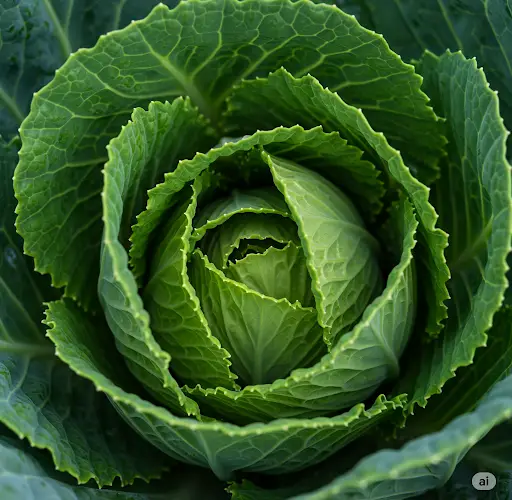
Cabbage is one of the most versatile and rewarding vegetables to grow in the home garden. Packed with nutrients and adaptable to a range of climates, it’s a cool-season crop that beginners can grow with ease—if they follow a few essential steps. Whether you prefer green, red, or savoy cabbage, this guide will walk you through everything you need to know to grow strong, healthy heads from seed to harvest.
Step 1: Choose the Right Variety
There are many cabbage varieties, each suited to different growing seasons and purposes. For beginners, choose a type that fits your local climate and gardening schedule.
-
Spring cabbage: Matures early and is great for a first crop.
-
Summer cabbage: Best planted in spring for a mid-season harvest.
-
Fall cabbage: Typically more resistant to pests and great for long-term storage.
Check seed packets for maturity dates (usually between 60–100 days) and select a variety known for reliability and disease resistance.
Step 2: Start Seeds Indoors or Buy Seedlings
If you’re starting from seed, plant cabbage indoors about 6–8 weeks before your last expected frost date.
-
Sow seeds in small pots or seed trays using seed-starting mix.
-
Keep the soil moist, and place the containers in a bright, warm spot.
-
Transplant seedlings outdoors when they have 3–4 true leaves and temperatures remain above freezing.
Alternatively, you can purchase young cabbage plants from a nursery and skip the seed-starting process entirely.
Step 3: Prepare the Garden Bed
Cabbage needs full sun and rich, well-drained soil with a pH between 6.0 and 6.8.
-
Work compost or well-rotted manure into the soil before planting to boost fertility.
-
Space plants 12–24 inches apart, depending on the variety. Rows should be at least 18 inches apart to allow room for heads to form.
-
Mulch with straw or shredded leaves to retain moisture and prevent weed growth.
Step 4: Water and Feed Regularly
Cabbage is a heavy feeder and thrives with consistent moisture and nutrients.
-
Water deeply once or twice a week, depending on rainfall. Keep the soil evenly moist—not soggy.
-
Fertilize every 3–4 weeks with a balanced fertilizer (10-10-10) or compost tea to encourage steady growth.
-
Avoid high-nitrogen fertilizers late in the season, as they may delay head formation.
Step 5: Monitor for Pests and Diseases
Cabbage can be a target for pests like cabbage worms, aphids, and flea beetles, as well as diseases such as clubroot and black rot.
Pest prevention tips:
-
Use floating row covers early in the season to protect young plants.
-
Check undersides of leaves for cabbage worm eggs and remove them by hand.
-
Spray a solution of water and neem oil or insecticidal soap if pests appear.
Disease control tips:
-
Rotate crops yearly to avoid soil-borne diseases.
-
Remove and destroy infected plants promptly.
-
Avoid overhead watering to minimize leaf wetness.
Step 6: Know When and How to Harvest
Cabbage heads are ready for harvest when they feel firm and solid to the touch and reach the expected size for the variety.
-
Use a sharp knife to cut the head at the base, leaving the outer leaves and root in place.
-
If the weather is mild, smaller “side heads” may grow from the remaining stem—an extra bonus crop!
-
Harvest before a hard frost if growing in the fall, as repeated freezing and thawing can split the heads.
Step 7: Store or Use Immediately
Freshly harvested cabbage can be stored for several weeks in a cool, dark place with high humidity.
-
Remove any loose or damaged outer leaves before storing.
-
For longer storage, consider fermenting cabbage into sauerkraut or pickles—an excellent way to preserve your harvest and add probiotics to your diet.
Bonus Tips for Success
-
Plant in succession: Sow new cabbage seeds every 2–3 weeks to enjoy a continuous harvest.
-
Interplant with herbs or flowers: Dill, marigolds, and nasturtiums can help repel pests naturally.
-
Keep soil consistently moist but not waterlogged. Mulch is your best friend in preventing stress and weeds.
Final Thoughts
Cabbage may seem like a challenging crop for beginners, but with a little planning and care, it’s quite manageable and incredibly rewarding. From starting seeds to storing harvested heads, each step builds toward a plentiful and nutritious yield. Follow these simple guidelines, stay attentive to your plants, and you’ll be well on your way to growing healthy, crisp cabbage in your own garden.


