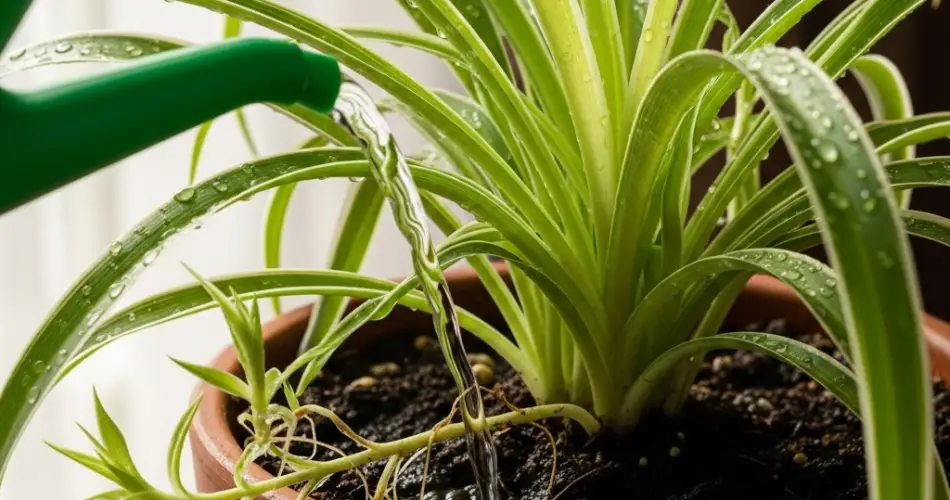
Spider plants (Chlorophytum comosum) are beloved for their elegant arching leaves, adaptability, and tolerance to occasional neglect. But like all houseplants, they require the right balance of care—especially when it comes to watering. Whether you’re a beginner or a seasoned indoor gardener, understanding the signs of both overwatering and underwatering is essential to keeping your spider plant healthy and thriving.
In this guide, we’ll explore the telltale symptoms of watering issues and provide clear advice on how to avoid them so your plant stays lush, green, and vibrant.
Understanding Spider Plant Water Needs
Spider plants are native to South Africa, where they grow in shaded forests and moist, well-draining soils. While they don’t require constant attention, they do appreciate regular watering with time in between to allow the soil to dry slightly. They store moisture in their thick, tuberous roots, which makes them fairly drought-resistant. However, these roots are also prone to rot if left in soggy soil for too long.
The trick is finding a watering routine that allows the plant to stay hydrated without becoming waterlogged. Let’s break down the symptoms of overwatering and underwatering and what you can do to correct either situation.
Signs of Overwatering in Spider Plants
Overwatering is one of the most common causes of decline in spider plants. Here are the key indicators:
1. Yellowing Leaves
If your spider plant’s leaves are turning yellow, particularly near the base, this could be a sign that the roots are sitting in too much moisture. Over time, excess water suffocates the roots, causing them to rot and reducing their ability to absorb nutrients.
2. Soft or Mushy Roots
When removing the plant from its pot for inspection, roots affected by overwatering may feel soft, appear dark brown or black, and emit a foul odor. Healthy roots should be firm and white.
3. Brown Leaf Tips with a Soft Base
Although spider plants are prone to brown tips from other causes (like fluoride in tap water), when combined with soft, yellowing stems or leaves near the soil line, overwatering is likely the issue.
4. Drooping or Wilting Despite Moist Soil
If your plant looks droopy even though the soil is still wet, it’s a sign that the roots are damaged and unable to function properly due to rot.
Signs of Underwatering in Spider Plants
While spider plants can handle some drought, they will show signs of stress if left too dry for too long:
1. Crisp, Brown Leaf Edges
When spider plants don’t get enough water, the leaf tips and edges may become dry, brittle, and brown. This browning is usually more widespread than that caused by water impurities.
2. Curling or Wilting Leaves
Leaves that curl inward or look limp are a sign your plant is conserving moisture. This can happen when the soil is bone-dry for extended periods.
3. Dry, Shrunken Roots
If the roots appear thin and dried out, it’s an indication that the plant hasn’t received enough moisture to maintain normal hydration levels.
4. Slow or Stalled Growth
Lack of water can stunt growth, resulting in fewer new leaves or a lack of baby plantlets (spiderettes). If your plant seems stuck in place during its growing season, dryness could be the cause.
How to Prevent Watering Issues
-
Check Soil Moisture Before Watering
Always check the soil before watering. Stick your finger into the soil up to the first knuckle—if it feels dry at that depth, it’s time to water. If it’s still moist, wait a few more days.
-
Use Well-Draining Potting Mix
A light, airy mix with added perlite or sand improves drainage and prevents water from pooling around the roots. Avoid heavy soils that retain too much moisture.
-
Ensure Proper Drainage
Make sure your pot has drainage holes. Spider plants do not like sitting in water. If using a decorative pot without holes, use a plastic nursery pot inside it and empty any collected water regularly.
-
Water More in Summer, Less in Winter
Spider plants grow actively in spring and summer and will need more frequent watering. In winter, growth slows, and the plant needs less water—usually once every two to three weeks.
-
Avoid Standing Water in Saucers
After watering, let the excess drain freely and empty the saucer beneath the pot. Leaving water there encourages root rot.
Final Thoughts
A healthy spider plant rewards you with arching green leaves, graceful variegation, and a cascade of baby plantlets. But too much or too little water can quickly diminish its beauty. By observing the plant’s leaves and roots and adjusting your watering routine accordingly, you’ll help your spider plant thrive.
Remember: it’s always better to underwater slightly than to overwater. Spider plants bounce back from a dry spell far better than they recover from soggy roots. With attention to soil moisture and a consistent routine, your spider plant will continue to grow strong and look stunning in any indoor setting.


