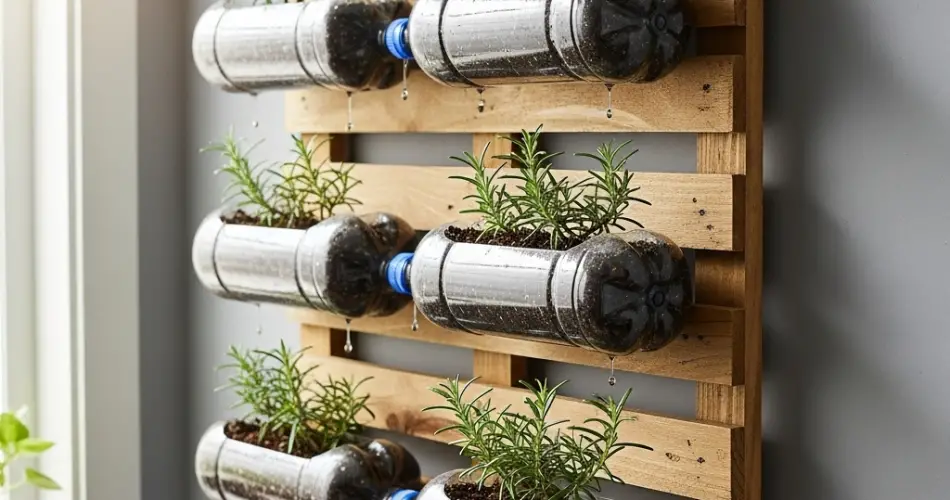
Rosemary, with its needle-like leaves and rich aroma, is one of the most rewarding herbs to grow at home. Known for its drought tolerance and culinary value, rosemary thrives with minimal care—but consistent moisture during its early stages is still important. If you want to grow this resilient herb indoors or in tight spaces, using a self-watering planter made from recycled plastic is a smart, sustainable way to keep your rosemary healthy without constant attention.
This DIY project reuses common household waste to create a self-watering system ideal for busy gardeners, urban dwellers, or anyone looking to reduce their plastic footprint. The result? A thriving rosemary plant that adds life to your kitchen, balcony, or windowsill—no yard required.
Why a Self-Watering Bottle Planter Works for Rosemary
Although rosemary is drought-tolerant once established, young plants benefit from consistent, but not excessive, moisture. A self-watering container made from a plastic bottle offers a steady water supply without over-saturating the soil. This is especially helpful indoors, where air circulation and evaporation rates are lower.
The simple wick system draws water from a reservoir at the bottom of the bottle to the soil above, mimicking nature’s slow, balanced hydration. It also saves time and reduces the chance of root rot caused by inconsistent watering.
Materials You’ll Need
-
One 1.5–2 liter plastic bottle (clean and label-free)
-
Scissors or a utility knife
-
Cotton rope or fabric strip (for the wick)
-
A small piece of mesh, coffee filter, or breathable fabric
-
Well-draining potting mix suitable for Mediterranean herbs
-
Rosemary cutting or small seedling
-
Water
-
Optional: Decorative sleeve or paint to cover the bottle for a cleaner look
Step 1: Prepare the Bottle
Start by cutting the bottle in two—about one-third of the way down from the top. This creates two parts:
-
Top section (planter): Will be inverted and hold the soil and plant.
-
Bottom section (reservoir): Will store water for the wick system.
Poke a small hole in the bottle cap and insert the cotton rope or strip of cloth. Make sure the wick hangs down several inches into the reservoir and also extends up into the planting area.
The wick must be absorbent to draw moisture up into the soil effectively.
Step 2: Create Drainage Support
Inside the neck of the bottle, place a small piece of mesh or cloth over the wick to prevent soil from falling through. This keeps the soil in place and avoids clogging the wick or water below.
Step 3: Add Soil and Plant
Fill the top section of the bottle (now inverted) with a light, well-draining potting mix. Rosemary prefers soil with good drainage—use a blend made for herbs, or create your own using:
-
2 parts potting soil
-
1 part coarse sand or perlite
-
1 part compost
Plant your rosemary cutting or seedling gently into the soil, ensuring the roots are covered and the base of the plant is stable. Water lightly to settle the soil.
Step 4: Assemble and Place
Fit the inverted top of the bottle into the reservoir base. Ensure the wick touches the bottom of the reservoir and is fully submerged in water. Refill the water every few days, especially in warmer weather or during early growth.
Place your rosemary planter in a sunny location, such as a south-facing windowsill or balcony. Rosemary loves at least 6–8 hours of direct sunlight daily. If indoors, supplement with a full-spectrum LED grow light if needed.
Care Tips for Rosemary in a Bottle Planter
1. Watering:
The self-watering system will keep the soil slightly moist. Check the reservoir regularly but avoid letting the wick sit in stagnant water for too long. Empty and refresh the reservoir every couple of weeks to prevent algae or odor.
2. Feeding:
Feed your rosemary once a month with a diluted, organic herb fertilizer. Don’t over-fertilize; rosemary grows best in slightly lean soil.
3. Pruning:
Regularly trim the growing tips to encourage bushy growth. Harvest by snipping 4–6 inch sprigs, always cutting just above a leaf node. Avoid removing more than one-third of the plant at a time.
4. Pests & Disease:
Rosemary is relatively pest-resistant indoors. Ensure good air circulation to prevent powdery mildew. If pests appear, treat with a light neem oil spray or rinse with water.
Troubleshooting Common Issues
-
Drooping or yellowing leaves: Usually caused by overwatering. Allow the topsoil to dry before refilling the reservoir.
-
Stunted growth: Often the result of insufficient sunlight. Move the plant closer to a window or add a grow light.
-
Root rot or algae: Clean the reservoir periodically and keep the bottle in a well-lit spot to reduce excess humidity.
A Sustainable, Aromatic Addition to Your Home
Growing rosemary in a recycled self-watering bottle planter is a smart way to enjoy fresh herbs in any space—without the stress of daily watering. Not only do you save money and plastic waste, but you also gain a reliable source of fragrance, flavor, and greenery.
With this low-maintenance setup, your rosemary can flourish in a small apartment kitchen just as well as it would in a garden. All it takes is a little light, good soil, and a simple bottle to turn plastic waste into culinary gold.


