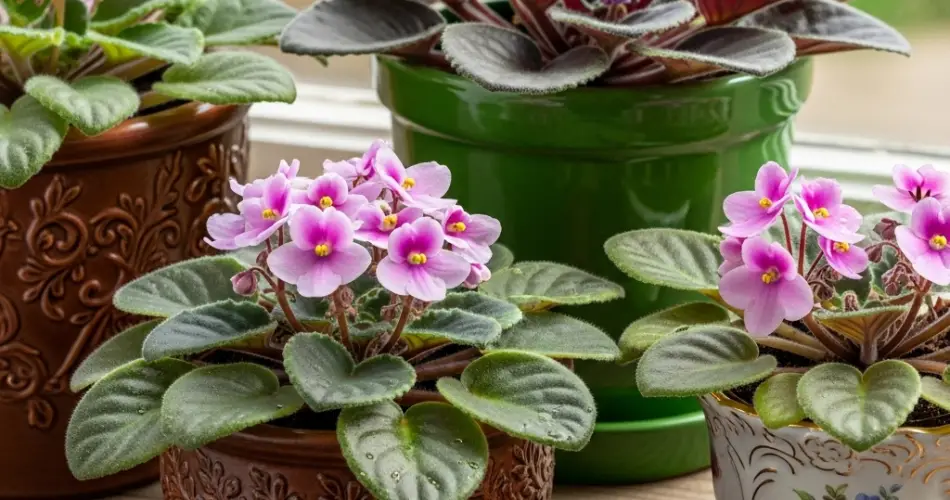
African violets (Saintpaulia) are beloved houseplants known for their vibrant flowers and fuzzy leaves. While these dainty bloomers are relatively low-maintenance, they can be quite picky when it comes to watering. One common solution many indoor gardeners turn to is the use of self-watering pots. But do these containers really make a difference?
Let’s explore how self-watering pots work, their pros and cons, and whether they are a good match for African violets.
Understanding African Violets’ Watering Needs
African violets thrive when their soil remains lightly moist but not soggy. They are especially sensitive to overwatering, which can quickly lead to root rot. At the same time, if the soil becomes too dry, the plant may stop blooming or start to wilt.
Another challenge is that their fuzzy leaves are easily damaged by water. Splashing the foliage can cause brown spots or fungal issues, which is why many growers avoid watering from the top. This delicate balance between moisture and dryness makes African violets ideal candidates for bottom watering—and that’s where self-watering pots come in.
How Do Self-Watering Pots Work?
Self-watering pots are designed to maintain consistent soil moisture by allowing the plant to absorb water from below. Most models consist of two parts:
-
An outer reservoir that holds water
-
An inner pot with a wicking system that draws water up into the soil
This setup ensures that the plant only takes the water it needs, reducing the risk of overwatering. For African violets, which prefer bottom watering and dislike water on their leaves, this method can be particularly beneficial.
Benefits of Using Self-Watering Pots for African Violets
1. Consistent Moisture Levels
African violets don’t like sudden changes in soil moisture. Self-watering pots provide a steady supply of water through capillary action, which helps keep the root zone evenly moist.
2. Prevents Leaf Damage
Because the water comes from below, you don’t risk wetting the fuzzy leaves—this helps prevent leaf spots and fungal issues.
3. Lower Maintenance
For busy or forgetful plant owners, self-watering pots reduce the need for daily watering. Depending on the plant’s size, environment, and pot design, the reservoir may only need to be refilled once a week or less.
4. Less Risk of Root Rot (When Used Correctly)
When set up properly, these pots prevent water from accumulating in the soil, reducing the risk of root rot compared to traditional watering from the top.
5. Encourages Healthy Root Growth
The roots grow downward toward the water source, which can result in a more robust root system over time.
Things to Watch Out For
While self-watering pots have many benefits, they are not entirely foolproof. Here are some potential downsides and how to avoid them:
1. Overfilling the Reservoir
Even though the pot is “self-watering,” it’s still possible to create an overly wet environment if you consistently keep the reservoir full without monitoring the plant’s needs. Give the soil time to dry slightly between refills, especially in cooler seasons.
2. Salt Buildup
Fertilizer salts can accumulate in the soil more quickly because water isn’t flushing through the pot. Flush the soil every few months by watering thoroughly from the top (just this once) and letting it drain completely.
3. Not All Self-Watering Pots Are Equal
Some cheap models lack a proper wicking system or allow the roots to sit directly in water. For African violets, choose pots specifically designed for them—ideally ceramic double pots with a water reservoir and porous inner liner.
4. Limited Use for Very Young Plants
Tiny seedlings or young transplants may not yet have deep enough roots to reach the wick or moist lower soil. In this case, start them in small traditional pots before moving them to a self-watering setup.
Best Practices for African Violets in Self-Watering Pots
-
Use a light, well-draining soil mix designed for African violets. Heavy soil can impede proper wicking and airflow.
-
Place the pot in bright, indirect light, such as near an east-facing window.
-
Use room-temperature water to avoid shocking the plant.
-
Check the water reservoir regularly, especially in hot weather.
-
Fertilize lightly using diluted violet fertilizer once or twice a month.
Final Verdict: Are They Worth It?
Yes—self-watering pots can be a game-changer for African violet growers, especially for those who’ve struggled with watering consistency or leaf damage. When paired with the right soil and pot design, these containers offer a reliable, low-stress way to care for your violets and help them bloom year-round.
That said, success still depends on observation. Even with self-watering systems, it’s important to check on your plants regularly to ensure they’re thriving. If you give them the right balance of moisture, light, and attention, African violets will reward you with clusters of cheerful blooms in nearly every season.


