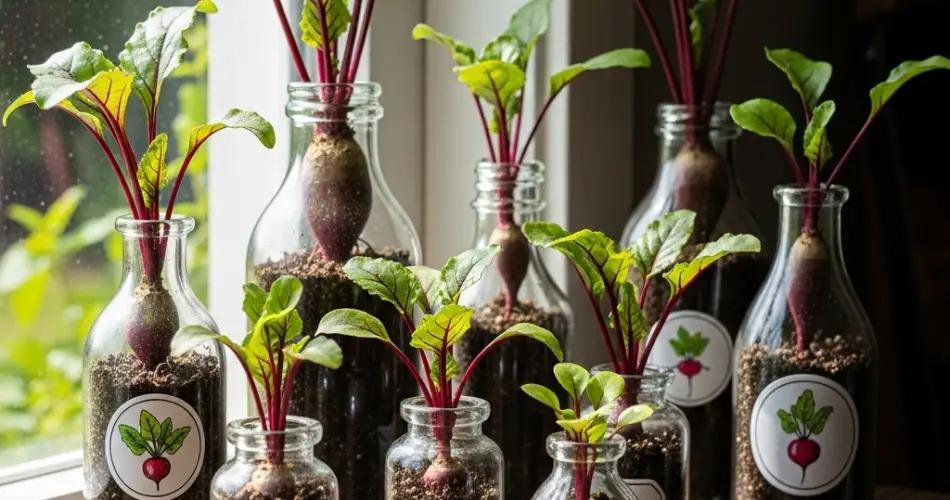
Beets are among the most rewarding vegetables to grow at home, thanks to their rich flavor, vibrant color, and versatility in the kitchen. Yet many gardeners find that germinating beet seeds can be tricky. These root crops require the right balance of soil temperature, moisture, and protection from pests to sprout successfully. One innovative, budget-friendly method to give your beet seeds the best start is bottle propagation. By reusing plastic bottles, you can create protective mini-greenhouses that encourage strong germination and early growth.
Why Bottle Propagation Works
Plastic bottles act like individual domes, capturing heat and moisture while shielding seeds from wind, rain, and curious animals. Beets germinate best in soil temperatures ranging between 10°C and 24°C (50°F–75°F). In early spring, when conditions are often unpredictable, this enclosed environment provides a stable microclimate. The result is quicker sprouting, healthier seedlings, and fewer losses during the vulnerable early stages of growth.
Preparing the Growing Area
Choose a location that receives plenty of sunlight, as beets thrive with at least six hours of direct sun daily. Beets grow best in loose, well-drained soil free of stones that could restrict root development. Enrich the soil with compost or well-rotted manure to improve fertility and texture. Avoid over-fertilizing with nitrogen, as it encourages leafy tops at the expense of root formation. Rake the soil surface smooth, then mark shallow furrows about 2 cm (¾ inch) deep and 20 cm (8 inches) apart.
Making Bottle Propagators
To create your bottle propagators, start with clear plastic bottles such as soda or water bottles. Rinse them thoroughly and remove labels so they allow maximum sunlight to pass through. With a sharp knife or scissors, cut off the bottom portion of the bottle. The upper part, complete with the cap, becomes the dome. When placed over the soil, it traps humidity and warmth. Keep the cap on during cold nights to preserve heat, but loosen or remove it during warm days to prevent overheating and allow airflow.
Sowing Beet Seeds
Place beet seeds about 2.5 cm (1 inch) apart in your prepared rows, covering them lightly with soil. After watering gently, position a bottle dome over each cluster of seeds. Press the cut edge slightly into the soil so the dome stays secure against wind. Depending on the size of the bottles and rows, you may use one bottle per small group of seeds or several bottles spaced along the row.
Caring for Germinating Seeds
Once the bottles are in place, they begin creating a favorable environment for the seeds. Moisture from the soil condenses on the inside of the bottle, recycling water and reducing evaporation. Be sure to check the soil regularly, as seedlings need consistent moisture to sprout. If excessive condensation builds up, loosen the bottle caps during the day to allow fresh air circulation. This reduces the risk of damping-off disease, which thrives in stagnant humidity.
Within one to two weeks, you should see beet sprouts pushing through the soil. As seedlings grow taller, adjust the ventilation more frequently to help them adapt to outside conditions.
Hardening Off and Removing the Bottles
After about two weeks, once seedlings are sturdy and the weather has stabilized, you can begin removing the bottles. Start by lifting them off for a few hours during the day while leaving them in place at night. Over several days, gradually increase the exposure to open air. This process, known as hardening off, prepares the young plants to withstand outdoor conditions without shock. Once seedlings have adjusted, remove the bottles completely.
Thinning for Stronger Plants
When beet seedlings reach 5 cm (2 inches) tall, thin them so that each plant has about 10 cm (4 inches) of space. Proper spacing allows roots to develop fully into round, plump beets. The thinnings, which are tender and flavorful, can be enjoyed in salads or as a garnish. Continue to weed the bed regularly and water evenly to prevent stress on the roots.
Benefits Beyond Beets
Although this technique is particularly useful for beets, bottle propagation works well for other cool-season crops such as carrots, radishes, and leafy greens. Gardeners with limited space or challenging climates will find it especially helpful for extending the growing season and improving germination rates. The approach also promotes sustainability by repurposing plastic bottles that would otherwise go to waste.
Conclusion
Bottle propagation is a simple, eco-friendly way to ensure beet seeds sprout successfully and grow into healthy plants. By providing warmth, moisture, and protection during germination, these recycled domes give your beets a stronger start. From seed to sprout, this method bridges the gap between unpredictable weather and the gardener’s desire for reliable harvests. With just a few bottles, some careful attention, and a bit of patience, you can enjoy vibrant beet crops that are both delicious and homegrown.


