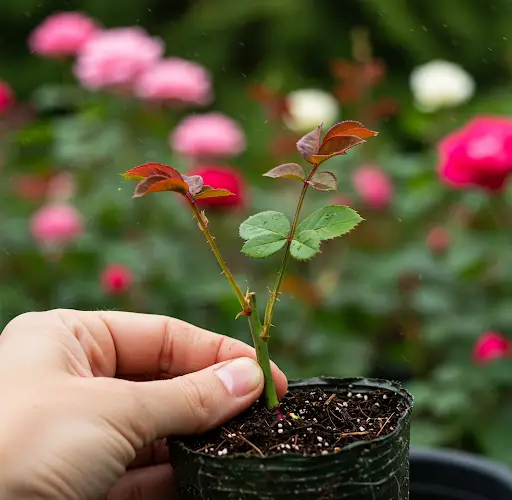
If you love roses and are looking for a creative way to propagate them, you may want to try an unexpected yet effective method: propagating roses using fruit. Yes, it’s true! While most gardeners rely on cuttings, there’s an intriguing technique that involves using fruit to help rose cuttings root and sprout in as little as one night.
This method might sound unconventional, but it works remarkably well. Using fruit, such as apples or bananas, can provide essential nutrients and growth hormones that encourage rose cuttings to root faster than traditional methods. In this article, we’ll explain why this technique works, how to use it, and what to expect when you try propagating roses from fruit.
Why Does Fruit Help Roses Germinate?
Fruit, especially soft fruits like apples and bananas, contain several compounds that are beneficial for plant growth:
-
Natural Sugars: Fruits are rich in sugars, which can fuel the energy needed for the cutting to start developing roots.
-
Growth Hormones: Many fruits contain natural plant hormones like auxins and cytokines, which promote root growth and cell division.
-
Vitamins and Nutrients: Vitamins such as B-complex and various minerals found in fruit help stimulate plant growth and improve root development.
-
Moisture and Humidity: Fruits like apples or bananas release moisture, creating a humid environment that helps prevent cuttings from drying out while they root.
By using fruit as part of the propagation process, you give the cutting an initial boost that promotes faster and more successful rooting.
What You’ll Need
Here’s what you’ll need to propagate roses from fruit:
-
Healthy rose cuttings (10-15 cm in length)
-
Fresh fruit (apples, bananas, or pears work best)
-
A sharp knife or pruning shears
-
A small container or jar
-
A rooting medium (soil or water)
-
A plastic bag or clear plastic wrap (optional, for humidity)
Step-by-Step Guide to Propagating Roses with Fruit
1. Prepare the Rose Cuttings
Start by selecting a healthy rose stem for propagation. Use a sharp knife or pruning shears to cut a 10-15 cm section of the rose branch, ensuring the cutting has at least two nodes (where leaves grow). Remove any flowers or buds, and strip off the lower leaves to expose the nodes, leaving a few leaves at the top of the cutting.
2. Prepare the Fruit
Choose a soft fruit, like an apple, banana, or pear. These fruits release moisture and nutrients that encourage plant growth. Cut a small portion of the fruit into thin slices or small chunks. You can also mash the fruit slightly to release more of its juice.
3. Soak the Cuttings in the Fruit
Take the prepared fruit slices or mashed fruit and place them in a small container or jar. Make a small hole in the fruit and insert the bottom of the rose cutting into the fruit. The idea is to allow the rose cutting to absorb nutrients and moisture from the fruit. Let the cutting sit in the fruit for about 30 minutes to an hour.
This process infuses the cutting with sugars, growth hormones, and essential vitamins, providing the initial boost needed for rooting.
4. Transfer to a Rooting Medium
After soaking in the fruit, carefully remove the rose cutting and gently wipe off any excess fruit pulp. Then, transfer the cutting into your rooting medium.
-
Water Propagation: Place the cutting in a jar of clean water, making sure the bottom node is submerged while the leaves stay above the waterline. Change the water every 2-3 days to keep it fresh and encourage root growth.
-
Soil Propagation: Plant the cutting into a small pot filled with moist, well-draining soil. Bury the cutting deep enough so that at least one node is covered. Press the soil gently around the cutting to secure it.
5. Maintain Humidity
Cover the cutting with a plastic bag or clear plastic wrap to create a humid environment. This helps prevent the cutting from drying out and encourages faster root formation. If you use a bag, ensure that it does not touch the cutting directly to avoid mold growth.
6. Place in a Warm, Shaded Area
Place your container in a warm, shaded location with indirect sunlight. Rose cuttings don’t need direct sunlight during the initial rooting phase, as it can cause them to dry out. The warmth will help activate the rooting process, while the indirect light will promote healthy growth.
What to Expect
With this fruit-based propagation method, you can expect to see signs of rooting in as little as one to two weeks, though some cuttings may begin to show root development overnight. After soaking the cuttings in fruit, the cutting is more likely to produce roots quickly due to the hormones and sugars absorbed from the fruit.
Once roots begin to form, you can remove the plastic covering and transfer the cutting to a larger pot or directly into the ground.
Benefits of Using Fruit for Propagation
-
Natural Growth Boost: The sugars and hormones in fruit provide a natural and gentle way to stimulate root development in rose cuttings.
-
Quick Results: This method can significantly speed up the rooting process, sometimes leading to visible results in just one night.
-
Easily Available: Fruits like apples, bananas, and pears are commonly found in most homes, making this a convenient and cost-effective method.
-
Environmentally Friendly: Using fruit as a rooting aid is an eco-friendly way to propagate roses without relying on synthetic chemicals or hormones.
Tips for Success
-
Use fresh, ripe fruit: Overripe or spoiled fruit may attract pests or mold and could harm the cuttings.
-
Monitor humidity levels: Ensure the cutting stays in a humid environment, but avoid excessive moisture, as this could lead to rot.
-
Choose the right fruit: Softer fruits like apples, bananas, or pears work best for this method because they release more moisture and nutrients compared to firmer fruits.
Final Thoughts
Propagating roses from cuttings is an exciting and fulfilling way to expand your rose garden. While there are many techniques available, using fruit as a rooting aid is one of the most unique and efficient methods. By providing your rose cuttings with natural sugars, hormones, and nutrients from fruit, you can encourage them to root and sprout faster than traditional methods. In fact, with this trick, you might even see your rose cuttings take root overnight!
Give this method a try, and watch your roses flourish and grow with the help of a simple, natural ingredient: fruit.


