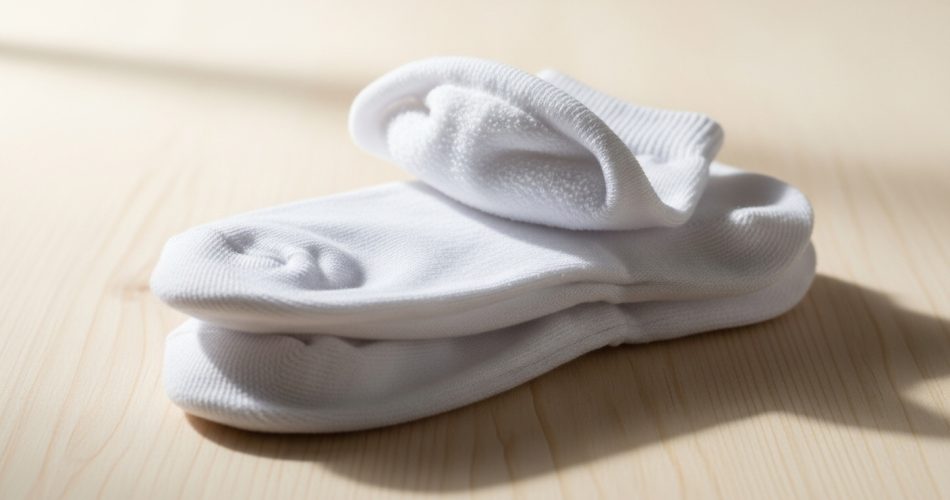

Keeping white socks perfectly bright and fresh can be a real challenge. Over time, they lose their luster and turn dull or grayish, especially when exposed to dirt, sweat, and frequent washing. Many people rely on bleach to restore their whiteness, but while effective, bleach can weaken fabrics, irritate the skin, and leave a harsh chemical smell. Fortunately, there are several natural, inexpensive, and safe alternatives that will help you get brilliantly white socks — without ever opening a bottle of bleach.
Why White Clothes Lose Their Brightness
Before jumping into the remedies, it’s important to understand why white clothing tends to lose its shine. Several factors can contribute to discoloration or dullness:
-
Frequent washing: Repeated laundering can wear down fibers and cause fabrics to absorb detergent residues.
-
Hard water: Minerals such as calcium and magnesium can cling to fabrics, making them appear gray.
-
Sweat and body oils: Natural body oils and perspiration can leave yellowish stains, especially around heels and toes.
-
Detergent overuse: Using too much detergent may seem like a good idea, but it can actually trap dirt in fibers instead of removing it.
With these factors in mind, proper maintenance and natural cleaning solutions can go a long way toward keeping white socks — and all your light-colored garments — looking their best.
How to Make White Clothes Last Longer
Longevity and brightness in clothing often depend on two key aspects: fabric quality and washing methods. High-quality materials tend to resist wear and tear, but even the best fabrics can fade or weaken if washed incorrectly. To preserve your wardrobe:
-
Sort by color and fabric type. Always wash whites separately to avoid color transfer.
-
Avoid high heat. Excessive water temperature can set stains and break down fibers.
-
Don’t overload the washing machine. Clothes need space to move freely for thorough cleaning.
-
Use natural softeners. Vinegar or baking soda can replace chemical softeners while keeping clothes fresh.
-
Dry in sunlight. Sunlight acts as a natural bleach and disinfectant, helping white garments maintain their brilliance.
Remember: clothing reflects personality and style. Taking care of your clothes is not just about appearance — it’s about extending their lifespan and maintaining their quality.
Natural Methods to Whiten Socks Without Bleach
Here are some tried-and-true natural methods for whitening socks. Each one uses simple ingredients you likely already have at home.
1. Hydrogen Peroxide and Detergent Soak
Hydrogen peroxide is one of the best natural whitening agents you can find — it’s mild, effective, and safe for most fabrics.
How to use it:
-
Fill a basin with warm water.
-
Add one tablespoon of detergent and half a cup of hydrogen peroxide.
-
Mix the solution well and immerse your socks completely.
-
Let them soak for about 30 minutes.
-
Rinse thoroughly with clean water and let them air dry.
This method not only restores brightness but also disinfects, removing odor-causing bacteria trapped in the fibers.
2. Lemon Juice and Salt Boil
Lemon juice is a powerful natural bleaching agent that can safely whiten fabrics, while salt enhances the cleaning action and helps remove stubborn dirt.
How to use it:
-
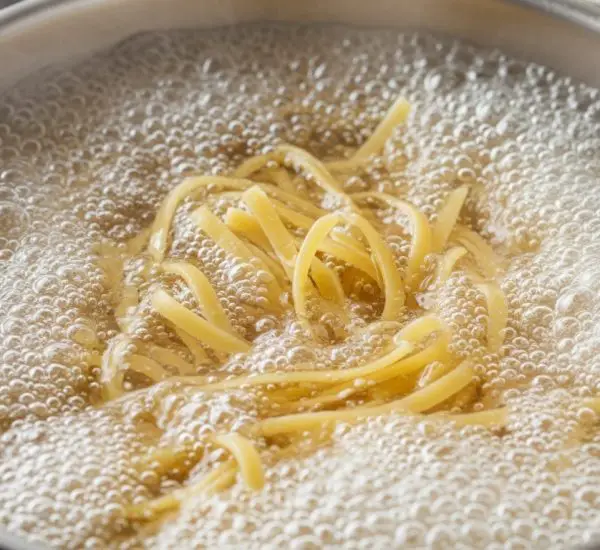
Fill a large pot with water and bring it to a boil.
-
Add two tablespoons of detergent, the juice of one lemon, and two tablespoons of salt.
-
Reduce the heat and immerse your socks in the solution.
-
Let them simmer for about 40 minutes.
-
Rinse them thoroughly in cold water and dry in direct sunlight.
This method not only whitens but also leaves a pleasant, fresh citrus scent on your laundry.
3. Milk Soak for Gentle Whitening
Milk may sound like an unusual cleaning agent, but it works surprisingly well on delicate fabrics. The natural enzymes in milk can help lift stains and restore whiteness without damaging fibers.
How to use it:
-
Pour enough milk into a container to fully cover your socks.
-
Let them soak for at least two hours.
-
Wash as usual with your regular detergent afterward.
-
Repeat the process if necessary for stubborn stains.
This gentle method is particularly useful for delicate or expensive fabrics that cannot tolerate harsh chemicals.
4. White Vinegar Brightening Boost
White vinegar is one of the most versatile cleaning products found in any household. It softens fabrics, removes detergent residue, and restores the brightness of whites — all while neutralizing unpleasant odors.
How to use it:
-
Add half a cup of white vinegar to your washing machine along with your regular detergent.
-
Run the wash cycle as usual.
For heavily stained socks, you can pre-treat problem areas by applying vinegar directly to the spots. Let it sit for an hour before rinsing and washing normally.
Extra Tips for Maintaining Whiteness
Once your socks are clean and bright again, you’ll want to keep them that way. Here are some easy maintenance tips:
-
Wash whites promptly: Don’t let dirty socks sit too long in the laundry basket.
-
Avoid fabric softeners with dyes or perfumes: These can leave residues that dull the fabric.
-
Rinse thoroughly: Make sure no detergent is left in the fibers after washing.
-
Use baking soda regularly: Add a tablespoon to your detergent to neutralize odors and prevent yellowing.
-
Store properly: Keep white socks in a dry, cool place away from direct sunlight to prevent discoloration.
The Bottom Line
Getting brilliantly white socks doesn’t require bleach — or harsh chemicals of any kind. With simple household ingredients like hydrogen peroxide, lemon, vinegar, and even milk, you can naturally restore and maintain the brightness of your whites.
These natural methods are not only effective but also gentle on your clothes, your skin, and the environment. So next time you’re tempted to reach for the bleach, try one of these eco-friendly tricks instead — your socks (and your wallet) will thank you.