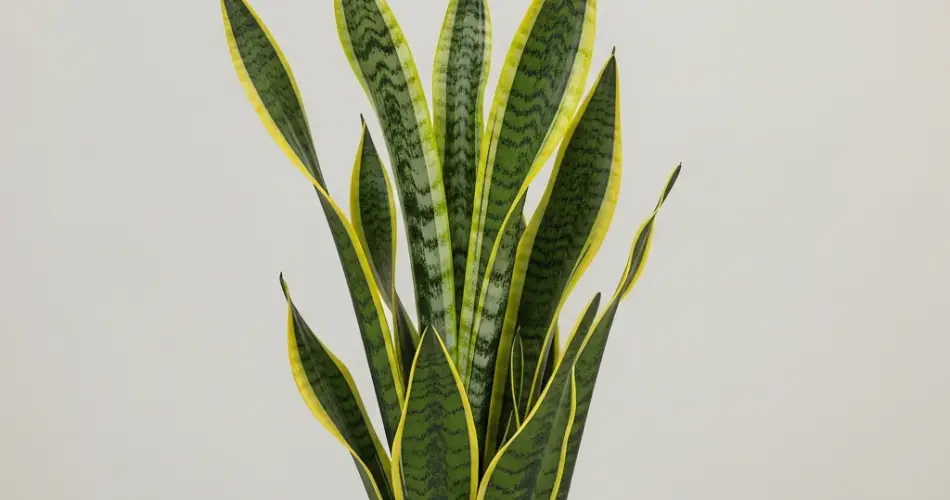
The Sansevieria, also known as snake plant or mother-in-law’s tongue, is one of the most popular houseplants in the world—and for good reason. Its unique appearance, incredible resilience, and numerous benefits make it a favorite among gardeners, plant lovers, and even beginners who think they don’t have a green thumb. If you don’t already have a Sansevieria in your home, it may be time to discover what makes this plant a true gem in both the garden and household.
What Is Sansevieria?
Sansevieria is a genus of tropical plants native to Africa, famous for its long, upright leaves with striking green, yellow, or grayish patterns. Over time, the plant has become a symbol of low-maintenance beauty, with some varieties growing up to several feet tall. Today, the most common species include:
-
Sansevieria trifasciata (classic snake plant)
-
Sansevieria cylindrica (cylindrical snake plant)
-
Sansevieria laurentii (striped, variegated leaves)
These plants are not only ornamental—they serve multiple purposes that make them a valuable addition to any indoor or outdoor space.
Why It’s a “Treasure” Plant
Sansevieria is called a treasure for several important reasons:
1. Air Purifying Qualities
Sansevieria is one of the few plants that converts CO₂ into oxygen at night, making it ideal for bedrooms. It also filters toxins like:
-
Formaldehyde
-
Benzene
-
Xylene
-
Trichloroethylene
Thanks to these natural air-cleaning properties, the plant contributes to a healthier indoor environment and improved air quality.
2. Practically Indestructible
This plant thrives on neglect. It can go weeks without water, tolerates low light, and resists most common pests. This makes it the perfect plant for:
-
Busy individuals
-
Frequent travelers
-
Offices or low-light homes
-
Beginner gardeners
It rarely requires repotting and can thrive in both small containers and large decorative pots.
3. Cultural Symbolism
In many cultures, Sansevieria is considered a symbol of protection, prosperity, and good energy. It’s often placed near entryways or windows to ward off negative vibes and attract positive energy into the home.
How to Care for a Sansevieria
Despite its hardy nature, your snake plant will thrive best with a little thoughtful care.
1. Lighting
Sansevieria grows well in almost any lighting condition—from bright indirect sunlight to low light areas. However, it will grow faster and more vibrantly in well-lit spaces.
Tip: Avoid direct afternoon sun, which may scorch the leaves.
2. Watering
The key to watering a Sansevieria is letting the soil dry out completely between waterings.
-
In warmer months: Water every 2–3 weeks.
-
In winter: Water once a month or less.
Overwatering is the number one killer of Sansevieria, as it leads to root rot.
3. Soil and Potting
Use a well-draining soil, such as a cactus or succulent mix. Ensure the pot has drainage holes to prevent water from pooling at the bottom.
4. Fertilization
Sansevieria doesn’t need frequent feeding. During spring and summer, you can apply a diluted liquid houseplant fertilizer once a month. Skip fertilizing during fall and winter.
5. Pruning and Propagation
Remove any damaged or yellowing leaves by cutting them near the soil line. Propagation is simple:
-
Divide rhizomes when repotting
-
Use leaf cuttings placed in water or soil to start new plants
Additional Uses and Benefits
Beyond being a beautiful and purifying plant, Sansevieria offers other subtle benefits:
-
Humidity control: It helps maintain moisture balance in dry indoor environments.
-
Stress relief: Like many green plants, it contributes to mental well-being and reduces stress.
-
Aesthetic enhancement: Its bold, upright structure adds a modern, architectural touch to home decor.
You can place it in your living room, bedroom, bathroom, office, or even on a shaded patio.
Common Problems and Solutions
Even though it’s easy to care for, Sansevieria can face a few issues:
-
Mushy leaves or black spots: Usually due to overwatering. Let the soil dry and trim the affected leaves.
-
Brown tips: Could be caused by too much direct sunlight or underwatering.
-
Slow growth: Often related to poor light or old soil. Repot and move it to a brighter location.
With minimal attention, these problems are easily avoided.
Final Thoughts
Sansevieria is more than just a houseplant—it’s a functional, decorative, and nearly indestructible companion for any home or garden. Whether you want to purify your air, add a modern touch to your decor, or simply enjoy a plant that asks for very little in return, the snake plant delivers on all fronts.
It’s no surprise that almost every gardener has one at home. With so many advantages and such easy care, Sansevieria truly is a botanical treasure worth having in every space.


