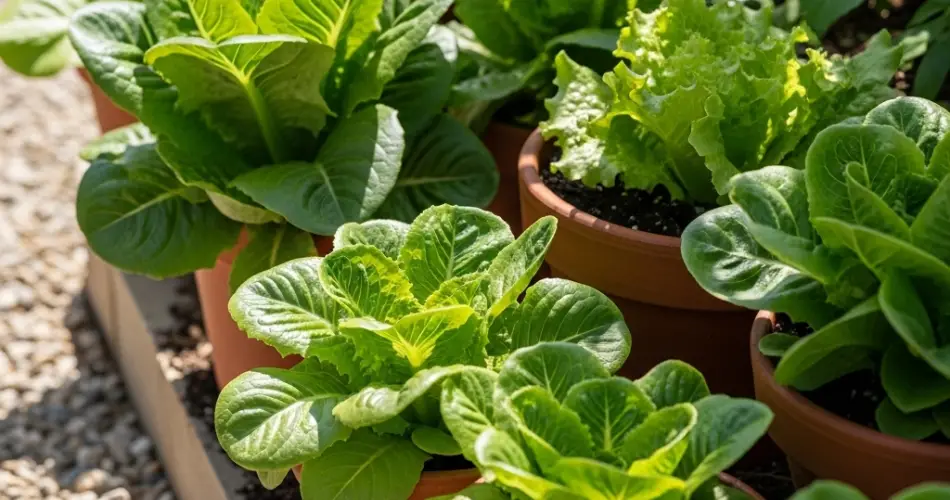
Growing your own lettuce in containers is one of the easiest and most rewarding ways to enjoy fresh, crisp salad greens right from your home. Whether you have a small balcony, patio, or sunny kitchen windowsill, you can cultivate healthy lettuce in pots with minimal effort. This guide will walk you through every step to grow your own “salad in a pot”—ideal for urban gardeners, beginners, or anyone looking to add freshness to their meals without relying on store-bought produce.
Why Grow Lettuce in Pots?
Lettuce is a fast-growing, shallow-rooted leafy green that thrives in containers. It’s perfect for container gardening because it doesn’t require deep soil, grows quickly, and can be harvested multiple times. With proper care, you can enjoy continuous harvests for weeks.
Benefits include:
-
Space efficiency: Great for balconies, windowsills, or small patios.
-
Freshness at your fingertips: Harvest only what you need, reducing waste.
-
Pest control: Easier to manage than garden beds and less prone to soil-borne issues.
-
Portability: You can move the container for better sunlight exposure or protection from extreme heat.
Choosing the Right Container
Lettuce does not need a deep pot, but it does benefit from space to spread out. Choose a container that is:
-
At least 6–8 inches deep
-
Wide enough to allow spacing between plants
-
Has good drainage holes
Plastic pots, terracotta containers, wooden boxes, and even repurposed crates or tubs work well, as long as there’s proper drainage. For extra convenience, consider using rectangular planters that fit snugly on balcony ledges or window boxes.
Preparing the Pot
-
Add Drainage Layer (Optional)
If your container is deep, you can add a layer of gravel or pebbles at the bottom to improve drainage. This step is optional but useful in larger containers. -
Fill with Potting Mix
Use a well-draining, nutrient-rich potting mix. A blend that includes compost, coconut coir or peat moss, and perlite or vermiculite ensures lightness and good moisture retention. Avoid using garden soil as it may compact too much in containers. -
Moisten the Soil
Lightly water the potting mix before planting to make it evenly moist, but not soggy.
Planting the Lettuce
You can grow lettuce from seeds or transplants. Here’s how to do both:
From Seeds
-
Scatter seeds lightly over the soil surface.
-
Gently press them into the soil or cover with a thin layer of soil (about 1/8 inch deep).
-
Mist with water to avoid displacing the seeds.
From Transplants
-
Space seedlings 4–6 inches apart, depending on the variety.
-
Dig small holes and plant them at the same depth they were growing in their seed trays.
Choose from different types of lettuce such as loose-leaf, romaine, butterhead, or cut-and-come-again varieties for repeat harvests.
Watering and Light Requirements
Lettuce prefers cool temperatures and consistent moisture. Here’s how to care for it:
-
Watering: Keep the soil moist but not waterlogged. Lettuce has shallow roots and can dry out quickly in containers, especially under the sun. Water regularly—daily in hot weather or every 2–3 days in cooler conditions.
-
Lighting: Place the container in a spot that receives at least 4–6 hours of sunlight per day. If growing indoors, place near a south-facing window or use grow lights.
Avoid exposing lettuce to intense midday heat, which can cause it to bolt (go to seed) and develop a bitter taste.
Feeding and Maintenance
-
Fertilizing: Use a balanced liquid fertilizer every two weeks to encourage lush growth. Organic options like compost tea or fish emulsion work well.
-
Thinning: If you’ve over-seeded, thin seedlings once they grow 2–3 inches tall to give each plant room to grow.
-
Mulching: Add a thin layer of straw, dried leaves, or coconut husk to retain moisture and reduce weed growth (if growing outdoors).
Harvesting Lettuce
You can start harvesting baby leaves as early as three weeks after planting. For larger leaves or heads, wait about 5–7 weeks. Use clean scissors to snip the outer leaves, leaving the central crown intact so the plant can continue to grow. This “cut-and-come-again” method allows for multiple harvests from a single planting.
If you prefer full heads, harvest the entire plant by cutting it at the base once it reaches maturity.
Troubleshooting Common Issues
-
Bolting: If temperatures rise or plants get too much sun, lettuce may bolt and become bitter. Move pots to a cooler, shaded area.
-
Pests: Aphids and snails can be a problem. Use neem oil, soap sprays, or handpick pests early in the morning.
-
Root rot: Caused by overwatering or poor drainage. Make sure pots have holes and the soil isn’t soggy.
Final Thoughts
A pot of lettuce offers more than just convenience—it provides fresh, crisp greens right at home with minimal effort. Whether you’re new to gardening or a seasoned grower, this simple container method ensures you can enjoy healthy salads whenever you like. With a bit of care and a sunny spot, your “salad in a pot” will be a constant source of freshness for your kitchen.


