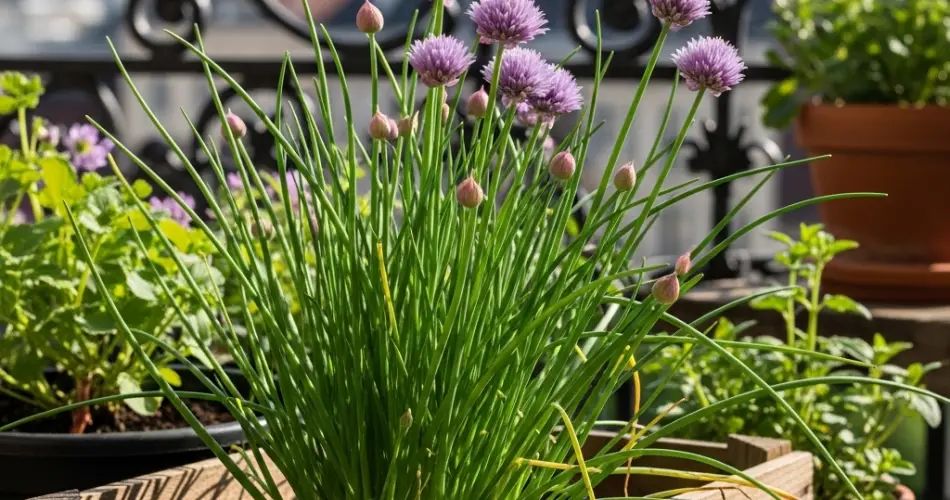
Chives are one of the easiest and most rewarding herbs to grow, perfect for both beginner and experienced gardeners. With their mild onion flavor, they can elevate soups, salads, omelets, and countless other dishes. Even without a backyard, you can enjoy fresh chives by growing them in rustic balcony crates. This method combines practicality, charm, and sustainability while making the most of limited space.
Why Chives Thrive in Balcony Crates
Chives are hardy, adaptable, and compact, making them ideal for small-container gardening. Rustic crates not only provide enough root space but also give your balcony an appealing, country-inspired look. Their portability allows you to reposition them to catch more sunlight or protect them from bad weather.
Using reclaimed wooden or sturdy plastic crates also supports an eco-friendly lifestyle. Instead of throwing away old storage boxes, you can give them a new purpose by turning them into productive herb planters.
Selecting and Preparing Your Crate
Choose a crate in good condition with solid sides and a stable base. Wooden crates should be free of rot and, if possible, made from untreated wood to avoid harmful chemicals leaching into the soil. For long-lasting use outdoors, hardwood options such as cedar or oak are more weather-resistant.
Preparation steps:
-
Clean the crate – Remove dust, dirt, and residues from previous use.
-
Drill drainage holes – Ensure there are multiple holes at the bottom to let water escape and prevent root rot.
-
Smooth rough edges – Sand any splinters to make the crate safer to handle.
-
Add a liner – Use landscape fabric, burlap, or a thick cloth to keep soil from spilling out while still allowing drainage.
For outdoor placement, you can extend the crate’s lifespan by applying a food-safe wood sealant.
The Best Soil for Chives
Chives grow best in loose, well-draining soil enriched with organic matter. A balanced mix for crate planting might include:
-
2 parts quality potting soil
-
1 part compost for nutrients
-
1 part coarse sand or perlite for improved drainage
Avoid compacted or clay-heavy soils, as they hold too much moisture and can lead to root problems.
Planting Methods
You can start chives from seeds, divisions, or purchased seedlings.
From seeds:
-
Sow in spring after the last frost.
-
Scatter seeds evenly and cover lightly with a thin layer of soil.
-
Keep the soil moist until germination, which usually takes 10–14 days.
From divisions:
-
Separate a mature clump of chives into smaller sections.
-
Plant them about 15 cm apart so they have room to grow.
From seedlings:
-
Plant directly into the crate at the same depth they were growing in their original pot.
After planting, water gently to settle the soil around the roots.
Sunlight and Watering
Chives prefer full sun and need at least 6 hours of direct light each day. If your balcony has partial shade, they can still grow, though the flavor may be milder. In very hot regions, giving them light afternoon shade helps prevent stress.
Water regularly so the soil remains moist but never waterlogged. Let the top layer of soil dry slightly before watering again.
Feeding and Ongoing Care
While chives don’t need heavy feeding, a diluted liquid organic fertilizer every 4–6 weeks can encourage strong, healthy growth. Avoid excessive fertilizing, which can cause lush leaves with weaker flavor.
Trim regularly to keep plants producing fresh shoots. Cut leaves down to about 5 cm above the soil, and always harvest from the outer parts of the clump to allow the inner leaves to keep growing.
Remove any yellow or wilted leaves promptly to maintain plant health.
Harvesting Fresh Chives
Once the plants reach 15 cm tall, you can start harvesting. Use clean kitchen scissors to snip leaves as needed. Frequent harvesting keeps the plant vigorous and encourages more leaf production.
Chives bloom in late spring or early summer, producing attractive purple flowers. These are edible and have a delicate onion flavor, making them great for salads and garnishes. If you prefer more leaves, pinch off the flowers before they mature.
Seasonal and Long-Term Care
Chives are perennial in many climates, meaning they can regrow year after year. In colder regions, crates can be moved indoors to a sunny windowsill during winter. In mild climates, leave them outdoors and mulch lightly to protect the roots.
Every two to three years, divide overcrowded clumps to rejuvenate growth and increase your supply.
A Beautiful and Practical Herb Display
Rustic balcony crates bring both charm and functionality to small-space gardening. They allow you to grow fresh, flavorful chives without the need for a traditional garden bed. With minimal care, these hardy herbs will reward you with a constant supply of leaves and flowers for your kitchen.
By combining resourceful use of reclaimed materials with the joy of growing your own herbs, you create not only a productive garden but also a warm, inviting atmosphere for your balcony.


