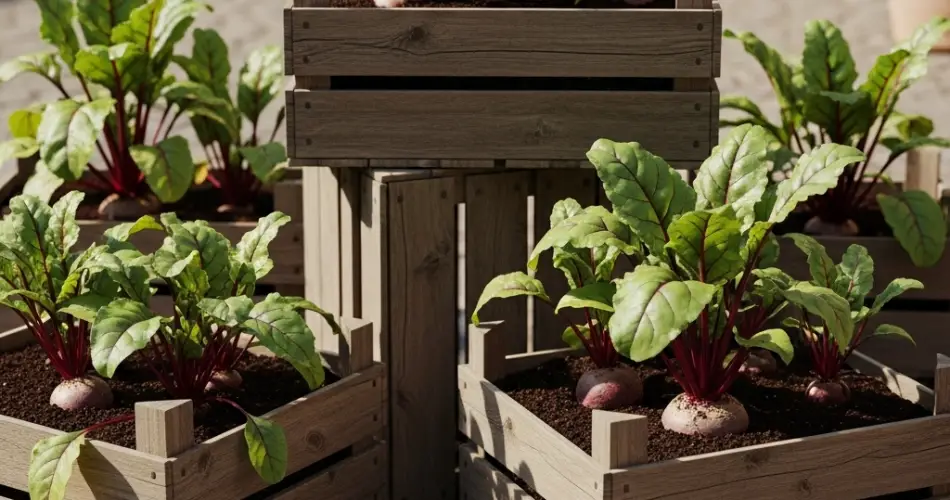
Beets are one of the easiest and most rewarding vegetables to grow, offering both nutrient-rich roots and edible greens. While they are traditionally grown directly in garden soil, they also thrive in containers — especially sturdy boxes or wooden crates. This approach is perfect for gardeners with limited yard space, poor soil conditions, or a desire for a tidy, organized growing area.
By planting beets in boxes, you can control the soil mix, reduce pest problems, and move your crops to capture the best light. With proper planning and care, your backyard can yield an abundant harvest of sweet, tender beets in just a few months.
Why Plant Beets in Boxes?
Container growing offers several advantages:
-
Soil Control – You choose the mix, ensuring it’s loose, fertile, and free from stones that can distort beet roots.
-
Mobility – Boxes can be shifted to follow the sun or avoid harsh weather.
-
Reduced Weeds – Fewer weed seeds blow into raised containers compared to open beds.
-
Accessibility – Elevated boxes make gardening easier on the back and knees.
Whether you’re on a patio, deck, or small backyard, boxes turn beet growing into a neat, manageable project.
Choosing the Right Box
The most important factor is depth. Beets develop rounded roots that need room below the soil surface.
-
Depth – At least 12 inches is ideal to avoid stunted growth.
-
Material – Use untreated wood such as cedar, pine, or spruce. Avoid pressure-treated wood, which can leach chemicals into the soil.
-
Drainage – Drill multiple holes in the bottom of the box to allow excess water to escape.
-
Support – If your box will be moved, ensure it’s sturdy enough to handle the weight of soil and water.
Lining the inside with a breathable fabric like burlap or landscape cloth will help retain soil while allowing water to drain.
Soil Preparation
Beets prefer well-drained, slightly sandy soil enriched with organic matter. Heavy clay can lead to misshapen roots, while overly rich nitrogen-heavy mixes can result in lots of leaves but small roots.
A good box soil mix:
-
40% quality garden soil or loam
-
40% compost (well-aged to avoid burning seedlings)
-
20% coarse sand or perlite for aeration
Aim for a pH between 6.0 and 7.5. Before planting, blend in a balanced organic fertilizer to support both root and leaf development.
Planting Your Beets
-
Select a Variety
Compact or quick-maturing varieties like ‘Boltardy,’ ‘Detroit Dark Red,’ and ‘Chioggia’ work particularly well in containers. -
Sowing Seeds
Sow seeds ½ inch deep and 2 inches apart. Each beet seed is a cluster, so expect multiple sprouts from one seed. -
Spacing
Rows should be 4 inches apart. Overcrowded plants will produce smaller, tougher roots. -
Sunlight
Place your box where it receives at least 6 hours of direct sunlight daily.
Ongoing Care
-
Watering – Keep soil evenly moist. Inconsistent watering can cause cracking or woody roots. Check daily in hot weather.
-
Mulching – A light layer of straw or shredded leaves helps conserve moisture and suppress weeds.
-
Thinning – Once seedlings are 2–3 inches tall, thin to 3 inches apart. The thinnings make delicious microgreens.
-
Fertilizing – Apply a low-nitrogen feed mid-season to encourage root development without excessive foliage.
Common Problems and Fixes
-
Small Roots – Often caused by overcrowding, poor sunlight, or overly rich nitrogen soil.
-
Pest Issues – Aphids and leaf miners are the main culprits. Pick off damaged leaves or use insecticidal soap.
-
Bolting – Hot weather can cause early flowering. Keep boxes in partial shade during peak summer heat.
Harvesting
Beets are usually ready 50–70 days after planting, depending on the variety. For the sweetest flavor and tender texture, harvest when roots are 1.5–3 inches in diameter.
-
Pulling Roots – Loosen soil gently before lifting to avoid breaking tops.
-
Harvesting Greens – You can snip a few outer leaves from each plant while roots are maturing, but avoid removing too many at once.
For a continuous supply, sow fresh seeds every 2–3 weeks throughout the growing season.
Beyond the Harvest
Growing beets in boxes not only provides delicious, homegrown food but also adds charm to your garden space. The clean, structured look of wooden boxes fits beautifully into both rustic and modern settings. They make gardening accessible for beginners and seasoned growers alike, and they’re a smart way to maximize yield in a small area.
With the right box, good soil, and consistent care, your backyard beet crop will thrive. You’ll enjoy flavorful roots and nutrient-rich greens — all from a compact, manageable container garden.


