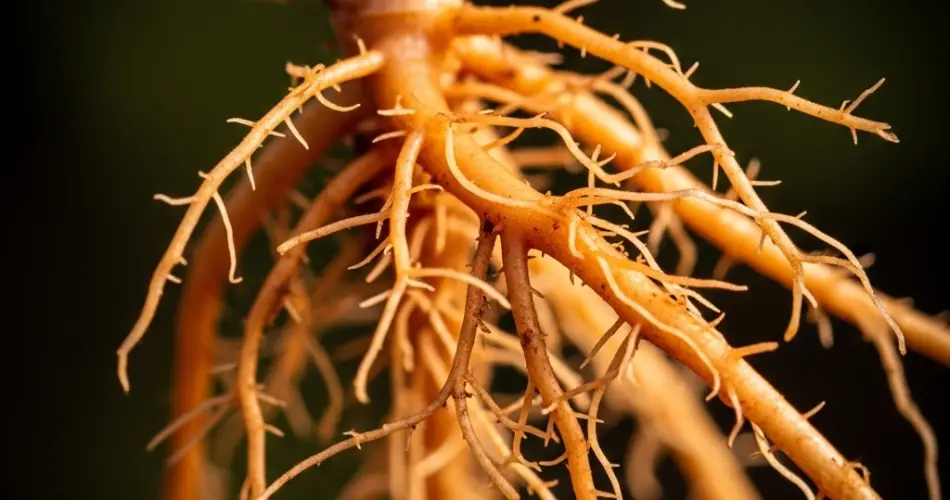
If you’re looking to multiply your garden without spending on expensive rooting products, this natural and effective homemade rooting hormone can dramatically improve your success with plant propagation. Whether you’re rooting cuttings from citrus trees, flowering shrubs, or fruit-bearing plants, this method has shown excellent results — with up to 99.7% success in many home gardens. It’s simple, natural, and uses ingredients you likely already have at home.
Why Use a Rooting Hormone?
Rooting hormones help plant cuttings develop strong root systems more quickly and reliably. They mimic the natural auxins (growth hormones) found in plants, which stimulate root formation. While synthetic rooting powders and gels are commonly available, many gardeners prefer organic alternatives to keep their gardening natural and budget-friendly.
This homemade rooting solution works on:
-
Fruit trees (like lemon, orange, guava)
-
Ornamental shrubs
-
Vines
-
Herbs
-
Houseplants
-
Succulents
-
And many more…
Ingredients for the Homemade Rooting Hormone
To prepare this natural rooting formula, you’ll need the following ingredients:
-
Lentils or chickpeas – rich in natural auxins that promote root growth.
-
Water
-
Blender or mortar and pestle
-
Strainer or fine cloth
Optional additions (to increase effectiveness):
-
Cinnamon – has antifungal properties that protect cuttings from rot.
-
Aloe vera gel – nourishes and hydrates plant tissue while aiding in root development.
-
Willow water – contains natural salicylic acid, which also acts as a natural rooting stimulator.
How to Prepare the Rooting Hormone
-
Sprout the lentils or chickpeas:
-
Soak 1 cup of lentils or chickpeas in water overnight.
-
Drain the water and place the legumes in a container or tray.
-
Keep them moist and allow them to sprout over the next 3–4 days.
-
Sprouting increases the levels of natural auxins in the legumes.
-
-
Blend the sprouts:
-
Once sprouted, place them in a blender with 2–3 cups of fresh water.
-
Blend thoroughly to extract all the plant hormones.
-
-
Strain the liquid:
-
Pour the mixture through a fine cloth or strainer to remove solid residues.
-
The resulting liquid is your concentrated homemade rooting hormone.
-
-
Store and use:
-
Keep the solution in a sealed bottle in the refrigerator for up to one week.
-
Use as needed for rooting cuttings.
-
How to Use the Homemade Rooting Hormone
There are two primary methods to apply this solution to your plant cuttings:
1. Soaking the Cuttings:
-
Take fresh cuttings from healthy plants (5–10 cm long, ideally with 2–3 nodes).
-
Remove lower leaves and dip the cut base in the rooting hormone solution.
-
Let them soak for 2–3 hours before planting them into soil, coco coir, or water.
2. Watering After Planting:
-
After inserting the cuttings into the growing medium, water them using the rooting solution instead of plain water.
-
Repeat this every 2–3 days to continue stimulating root growth.
You can combine both methods for stronger results.
Additional Tips for Successful Rooting
-
Use clean, sharp tools when taking cuttings to prevent infection.
-
Keep humidity high by covering cuttings with a plastic dome or bag, especially during the first few weeks.
-
Place in indirect light while roots develop; avoid direct sun.
-
Use well-draining soil or propagation mix like perlite, vermiculite, or a peat and sand blend.
Why This Method Works
Legume sprouts, especially lentils, naturally produce high levels of auxins during germination. These compounds are responsible for stimulating cell division and elongation, key processes in root formation. When extracted and applied to cuttings, they act like a rooting hormone, encouraging root cells to develop more rapidly.
Additionally, if you include aloe vera, you’re also giving your plants a boost of vitamins, enzymes, and amino acids that help reduce transplant shock and improve overall resilience.
What to Expect
With the right conditions and consistent care, many gardeners report root development within 7 to 14 days for most cuttings. Woody plants may take a bit longer, but the success rate is still notably higher compared to using plain water.
Once your cuttings have rooted, transplant them into larger pots or directly into your garden, and continue with regular watering and sunlight exposure according to the species’ needs.
Final Thoughts
This natural rooting method is not only highly effective but also inexpensive, environmentally friendly, and safe for use on all types of plants. Whether you’re an experienced gardener or just getting started with plant propagation, this DIY rooting hormone is a powerful tool that can help you multiply your favorite plants with minimal cost and effort.
Give it a try and watch your cuttings grow strong roots and thrive — all thanks to the natural power of plants helping plants.


