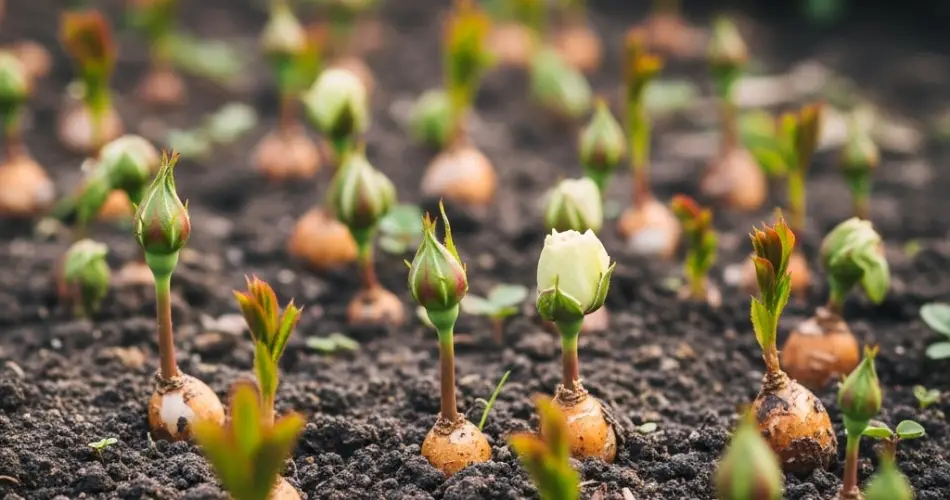
If you’ve ever tried propagating plants using cuttings but struggled to get consistent results, you’re not alone. Many gardeners rely on commercial rooting hormones, but what if you could root nearly every plant you propagate—without them?
This method uses natural techniques like air layering and smart propagation tips to successfully root around 98.7% of your plants at home, whether you’re growing in an urban garden, a small balcony space, or a backyard. No synthetic rooting products required—just household materials and proper timing.
Let’s break down this highly effective technique step by step so you can expand your garden affordably and successfully.
Why Skip Rooting Hormones?
Rooting hormones, whether synthetic powders or gels, are designed to speed up root development and increase success rates. However, they are not essential. Many plants root just as effectively using natural methods—especially if conditions such as humidity, temperature, and moisture are controlled.
Additionally, rooting hormones may not be ideal for those preferring organic gardening or who want to avoid adding synthetic substances to their garden ecosystem.
What Makes This Method So Effective?
This approach combines two powerful plant propagation techniques:
-
Cuttings – taking a segment of a parent plant and encouraging it to grow roots.
-
Air Layering (Acodo Aéreo) – triggering root development while the cutting is still attached to the mother plant.
By using air layering or preparing cuttings with care, you can stimulate natural root production in a high percentage of cases.
What You’ll Need
-
Sharp pruning shears or a clean knife
-
A transparent plastic bag or plastic wrap
-
Clean water
-
Potting soil or coconut fiber
-
Optional: cinnamon powder (as a natural antifungal)
-
Clear containers, small pots, or recycled plastic bottles
-
A rooting tray or seedling container (for cuttings)
Method 1: Rooting Through Air Layering
Air layering allows you to root a plant while it’s still connected to its original root system. This keeps the cutting hydrated and nourished, which leads to a much higher success rate.
Steps:
-
Choose a Healthy Stem: Select a semi-woody stem (not too soft, not fully hard) from a healthy plant.
-
Make a Shallow Cut: About halfway through the stem, gently scrape away the bark or make a small slit.
-
Apply Cinnamon (Optional): Dust the exposed area with cinnamon to prevent mold and fungal growth.
-
Wrap with Moist Medium: Take moist coconut fiber, sphagnum moss, or potting soil and pack it around the cut area.
-
Seal with Plastic: Wrap it tightly with plastic wrap or a plastic bag, then tie both ends to keep the moisture in.
-
Wait and Monitor: Within 10–20 days (depending on the plant), roots should begin forming inside the wrap.
Once visible roots have developed, you can cut below the root ball and plant your new clone into a pot or directly into the ground.
Method 2: Rooting Cuttings in Water or Soil
For soft-stemmed or herbaceous plants like basil, mint, pothos, coleus, or geranium, standard cutting propagation works very well.
Steps:
-
Take a Healthy Cutting: Cut just below a node (the point where leaves grow) using sterilized shears.
-
Remove Lower Leaves: Strip off leaves from the bottom third of the stem.
-
Place in Water or Soil: You can root the cutting either in a glass of water (changing the water every few days) or in a moist potting mix.
-
Keep in Indirect Light: Place your cutting in bright, indirect sunlight.
-
Maintain Humidity: Cover the cutting loosely with a plastic dome or bag to create a greenhouse effect. This is especially useful in dry climates.
Roots should appear in 7 to 20 days depending on plant type.
Plants That Respond Well to These Methods
-
Roses
-
Mint
-
Basil
-
Hibiscus
-
Lavender
-
Rosemary
-
Geraniums
-
Bougainvillea
-
Tomatoes
-
Ficus
-
Jade plants
Even hardwoods like lemon or fig trees can be rooted using these methods with a little extra time and patience.
Tips for Success
-
Always use sterilized tools to avoid infection.
-
Avoid full sun during the rooting phase—it can dry out the cutting.
-
Be patient; some plants naturally root slower than others.
-
Check for rot: If the cutting becomes mushy or blackened, discard and try again.
Why This Method Works So Well
By mimicking natural growing conditions and maintaining constant moisture, you’re giving your cuttings the exact environment they need to grow roots—without synthetic stimulants. Air layering especially stands out for its high success rate, since the plant continues receiving nutrients from the parent plant until it’s strong enough to live independently.
Final Thoughts
Whether you’re trying to expand your garden or preserve a plant you love, propagation is one of the most rewarding ways to grow. By using natural, accessible methods like air layering and water propagation, you can root almost any plant with confidence and high success.
No rooting hormones, no fancy equipment—just good technique and patience. Try this method, and your garden may soon be overflowing with healthy, home-propagated plants.


