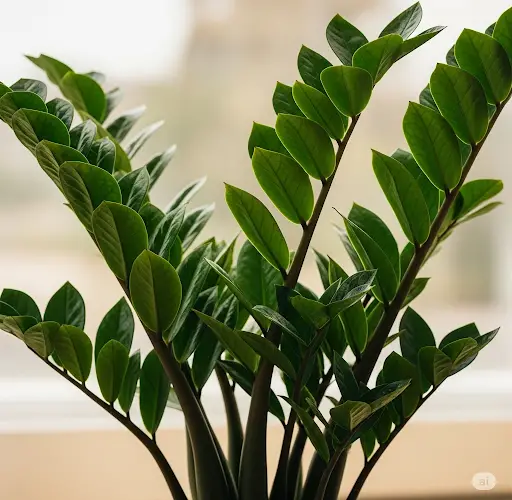
The ZZ plant (Zamioculcas zamiifolia) is renowned for its resilience and low-maintenance nature, making it a favorite among indoor plant enthusiasts. However, even this hardy plant can exhibit signs of stress, such as yellowing leaves, stunted growth, or drooping stems. If your ZZ plant appears lackluster, there’s a straightforward and cost-effective method to rejuvenate it and encourage new growth.
Understanding the ZZ Plant’s Needs
Before diving into remedies, it’s essential to grasp the fundamental care requirements of the ZZ plant:
-
Light: Prefers bright, indirect light but can tolerate low-light conditions. Avoid direct sunlight, which can scorch the leaves.
-
Water: Allow the soil to dry out completely between waterings. Overwatering is a common issue that can lead to root rot.
-
Soil: Requires well-draining soil to prevent water accumulation around the roots.
-
Temperature: Thrives in average indoor temperatures and does not tolerate cold drafts or temperatures below 45°F (7°C).
The Affordable Solution: Balanced Fertilization
While ZZ plants are not heavy feeders, providing them with the right nutrients can make a significant difference in their health and appearance. A balanced, water-soluble fertilizer can supply essential nutrients that promote vibrant foliage and new growth.
Recommended Fertilizer:
-
Type: Balanced, water-soluble fertilizer (e.g., 10-10-10 NPK ratio).
-
Dilution: Mix the fertilizer at half the recommended strength to prevent over-fertilization.
-
Frequency: Apply once every 2-3 months during the growing season (spring and summer).
Application Method
-
Preparation: Ensure the soil is moist before applying fertilizer to prevent root burn.
-
Application: Pour the diluted fertilizer evenly around the base of the plant.
-
Post-Application: Avoid watering immediately after fertilization to allow the plant to absorb the nutrients effectively.
Additional Tips for Reviving a Stressed ZZ Plant
-
Inspect for Root Rot: If overwatering has occurred, check the roots for signs of rot. Healthy roots are firm and white, while rotten roots are mushy and brown. Trim any affected roots and repot the plant in fresh, well-draining soil.
-
Improve Lighting Conditions: If the plant is in a low-light area, consider moving it to a spot with brighter, indirect light to stimulate growth.
-
Maintain Proper Watering Schedule: Adjust watering frequency based on the season and indoor humidity levels. In general, watering every 2-3 weeks is sufficient.
Monitoring Progress
After implementing these care strategies, monitor your ZZ plant for signs of improvement:
-
New Growth: Look for new shoots or leaves emerging from the base.
-
Leaf Color: Healthy leaves should be a vibrant green. Yellowing may indicate ongoing issues.
-
Overall Vigor: The plant should appear more upright and robust over time.
Patience is key, as it may take several weeks to observe noticeable changes.
Conclusion
Reviving a struggling ZZ plant doesn’t require expensive treatments or complex procedures. By understanding its basic needs and providing balanced nutrition through proper fertilization, you can restore your plant’s health and enjoy its lush, green foliage once again. Remember, consistency in care is crucial, and with time, your ZZ plant will thrive.


