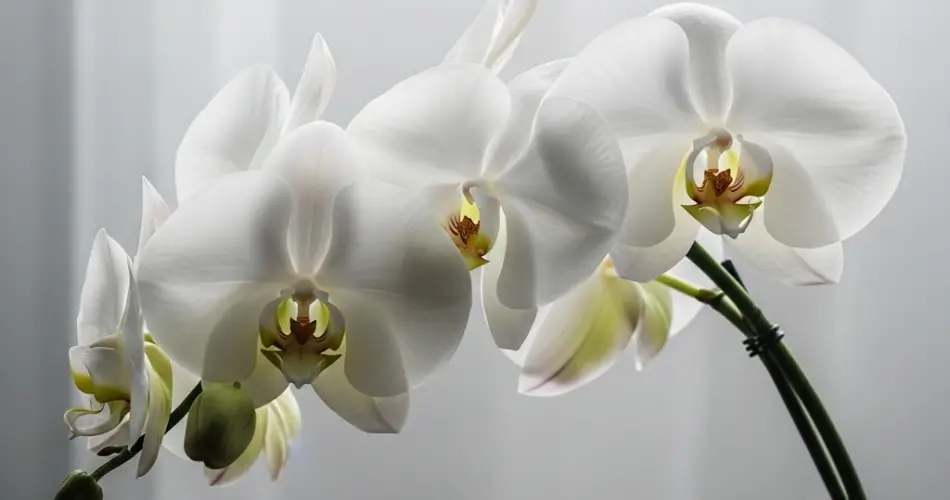
Orchids are among the most elegant and delicate plants you can grow at home, admired for their beautiful, long-lasting flowers. However, many orchid enthusiasts struggle with keeping their plants healthy and encouraging them to bloom again. If your Phalaenopsis orchid (the popular moth orchid) looks tired, has stopped flowering, or seems weak, don’t worry—there’s an effective, natural solution you can prepare at home.
This article reveals how to revive any orchid using a homemade fertilizer and natural care tips that promote healthy growth and abundant blooms. With just a few ingredients and simple steps, you can bring life back to your orchid and enjoy its stunning flowers once again.
Why Do Orchids Sometimes Stop Blooming?
Orchids, particularly Phalaenopsis, can stop flowering due to several common reasons:
-
Lack of nutrients
-
Overwatering or underwatering
-
Inadequate light
-
Poor air circulation
-
Root problems or old potting medium
Feeding your orchid the right nutrients at the right time is essential for triggering new blooms and maintaining plant vigor.
Benefits of Homemade Fertilizers for Orchids
Many commercial fertilizers are high in chemicals, which can sometimes harm sensitive orchids if overused. Homemade fertilizers offer several advantages:
-
Natural and gentle on the plant
-
Contain balanced nutrients needed for flowering
-
Cost-effective and easy to make
-
Environmentally friendly and free from synthetic additives
By using a homemade fertilizer, you provide your orchid with the nourishment it needs to recover without risking chemical buildup.
Homemade Fertilizer Recipe for Orchids
Here’s a simple recipe you can make at home using natural ingredients to promote blooming in Phalaenopsis orchids:
Ingredients:
-
1 tablespoon of molasses (a natural sugar source)
-
1 teaspoon of fish emulsion or diluted liquid seaweed (provides nitrogen and trace minerals)
-
1 liter of water (preferably filtered or rainwater)
Instructions:
-
Mix the molasses and fish emulsion (or seaweed) thoroughly in the water.
-
Use this solution to water your orchid every two weeks during the growing and blooming seasons.
-
Avoid over-fertilizing, as orchids are sensitive and can be damaged by excess nutrients.
Additional Tips to Revive Your Orchid
Beyond fertilizing, orchid care involves several important practices:
-
Light: Phalaenopsis orchids prefer bright, indirect sunlight. A spot near an east-facing window is ideal. Avoid harsh direct sun, which can scorch the leaves.
-
Watering: Water your orchid once a week, letting excess water drain completely. Avoid letting the plant sit in water, which causes root rot. Use room temperature water for best results.
-
Humidity: Orchids thrive in humid environments. Increase humidity by misting the leaves daily or placing a humidity tray with water and pebbles beneath the pot.
-
Air Circulation: Good air flow helps prevent fungal diseases and keeps roots healthy. Avoid placing orchids in stagnant or overly drafty areas.
-
Repotting: Refresh your orchid’s growing medium every 1-2 years using a special orchid bark mix to ensure proper aeration and drainage.
-
Pruning: After blooming ends, trim the flower spike just above a node to encourage a new spike to develop.
How Fertilizer Supports Orchid Blooming
Orchids need a balanced supply of nutrients, especially:
-
Nitrogen (N): Supports healthy leaf and stem growth.
-
Phosphorus (P): Encourages strong root development and flower production.
-
Potassium (K): Enhances overall plant health and disease resistance.
The homemade fertilizer described above provides these nutrients naturally, along with trace elements that orchids require but often lack in soil or potting media.
Signs Your Orchid Is Recovering
After applying the homemade fertilizer and adjusting care:
-
Leaves will regain a vibrant green color.
-
New roots may appear healthy and white.
-
Flower spikes may begin to grow or re-grow.
-
The plant overall will look more vigorous and lush.
With patience and consistent care, your orchid can surprise you with renewed blooms and lasting beauty.
Common Mistakes to Avoid
-
Overwatering: One of the most frequent causes of orchid decline. Always let the potting medium dry slightly before watering again.
-
Overfertilizing: Excess nutrients can burn orchid roots and leaves. Stick to recommended doses and intervals.
-
Insufficient Light: Without enough light, orchids will struggle to flower. Supplement with grow lights if necessary.
-
Ignoring Potting Medium: Old or compacted media reduces oxygen to roots. Repot when necessary.
Final Thoughts
Reviving an orchid and coaxing it to bloom again may seem daunting, but with the right approach, it’s absolutely achievable. This homemade natural fertilizer is a simple and effective tool to nourish your Phalaenopsis orchid and bring back its stunning flowers.
Remember, orchids are resilient plants that respond well to thoughtful care. Combine regular feeding with proper watering, light, and humidity, and your orchid will reward you with vibrant, long-lasting blooms.
Bring your orchid back to life today and enjoy the beauty and elegance it brings to your home!


