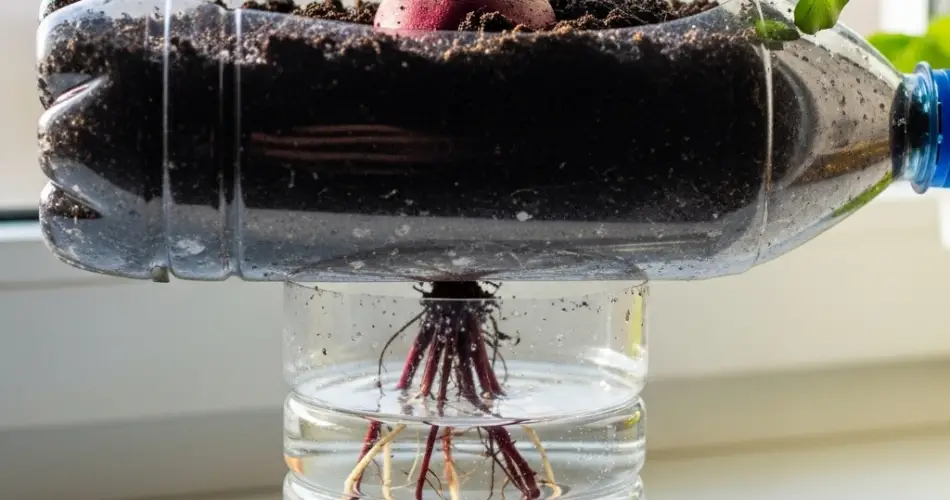
Beetroots are a nutritious and versatile crop that can be grown even in small spaces. If you’re looking for a sustainable and affordable way to start your beet plants, reusing plastic bottles is an excellent option. This method not only gives new life to discarded materials but also creates a controlled growing environment for young seedlings, helping them establish strong roots before transplanting.
Starting beetroots in bottles is perfect for home gardeners who want to save space, reduce waste, and enjoy fresh, homegrown produce. With just a few simple steps, you can turn ordinary plastic bottles into mini seed-starting containers.
Why Use Bottles for Seed Starting?
-
Eco-Friendly – Reusing bottles helps reduce plastic waste and gives them a second purpose.
-
Cost-Effective – No need to buy seed trays or pots when you can make them at home.
-
Controlled Environment – Bottles help retain moisture and warmth, creating ideal germination conditions.
-
Portability – You can easily move the bottles to find the best light or shelter them from heavy rain.
Choosing and Preparing Bottles
Select clean, transparent plastic bottles—1.5 to 2-liter water or soda bottles work best. Wash them thoroughly to remove any residue. Cut the bottle horizontally about one-third from the top, creating a base for soil and a removable top for a mini greenhouse effect.
Poke small drainage holes in the bottom to prevent waterlogging, as beetroots dislike overly wet soil.
Preparing the Soil Mix
Beet seeds need a loose, well-draining medium to sprout successfully. A good mix for bottle planting includes:
-
40% garden soil for structure
-
40% compost for nutrients
-
20% sand or coco coir for drainage and aeration
Mix thoroughly and moisten slightly before filling the bottle base. Avoid compacting the soil too much, as this can restrict root growth.
Sowing Beetroot Seeds
Beet seeds are actually seed clusters containing multiple embryos, so you may get more than one sprout per seed. To sow in bottles:
-
Fill the prepared bottle base with soil, leaving about 2–3 cm from the rim.
-
Make shallow holes about 1–2 cm deep.
-
Place 2–3 seeds in each hole to ensure germination.
-
Cover lightly with soil and gently water.
Reattach the top portion of the bottle to create a warm, humid environment for faster germination. This acts like a mini greenhouse, retaining moisture and heat.
Light and Temperature Requirements
Beet seeds germinate best at temperatures between 15°C and 25°C. Place the bottles in a sunny location where they can receive at least 6 hours of light daily. If growing indoors, position them near a bright window or use grow lights to supplement natural sunlight.
Avoid excessive heat, as it can dry out the soil too quickly. The clear bottle top will help regulate warmth while still allowing light to reach the seedlings.
Watering and Care
Keep the soil consistently moist but not soggy. Check daily by touching the top layer—if it feels dry, water gently using a spray bottle to avoid disturbing the seeds.
Once the seedlings emerge, remove the bottle tops for a few hours each day to increase airflow and prevent mold. Gradually extend this ventilation time to help the seedlings adapt to normal growing conditions.
Thinning the Seedlings
Since beet “seeds” produce multiple sprouts, you’ll need to thin them to avoid overcrowding. When seedlings are about 5–7 cm tall, choose the strongest one in each cluster and snip the others at soil level with scissors. This allows the remaining seedling to grow stronger without root competition.
Transplanting to the Garden or Larger Containers
Beet seedlings are ready for transplanting when they have at least two sets of true leaves and are about 7–10 cm tall. Before moving them outdoors, harden them off by placing the bottles outside for a few hours a day over a week, gradually increasing exposure.
To transplant:
-
Gently remove the seedlings from the bottle, being careful not to damage the roots.
-
Plant them in well-prepared garden beds or larger containers, spacing them about 10–15 cm apart.
-
Water well after transplanting to help them settle in.
Harvesting Beetroots
Depending on the variety, beetroots are ready for harvest 50–70 days after sowing. Harvest when the roots are about 5–8 cm in diameter for the best texture and flavor. You can also enjoy the tender beet greens as a nutritious bonus.
Final Tips for Success
-
Rotate crops each season to prevent soil-borne diseases.
-
Use mulch around plants in the garden to retain moisture and suppress weeds.
-
Choose beet varieties suited to your climate for the best results.
Reusing bottles to start beetroot plants from seeds is a simple, eco-friendly gardening technique that works in both urban and rural settings. By creating a mini greenhouse environment, you give your seedlings the best possible start, ensuring a healthy and productive beet harvest. This sustainable approach helps you grow fresh food while reducing waste—a win for both your garden and the planet.


