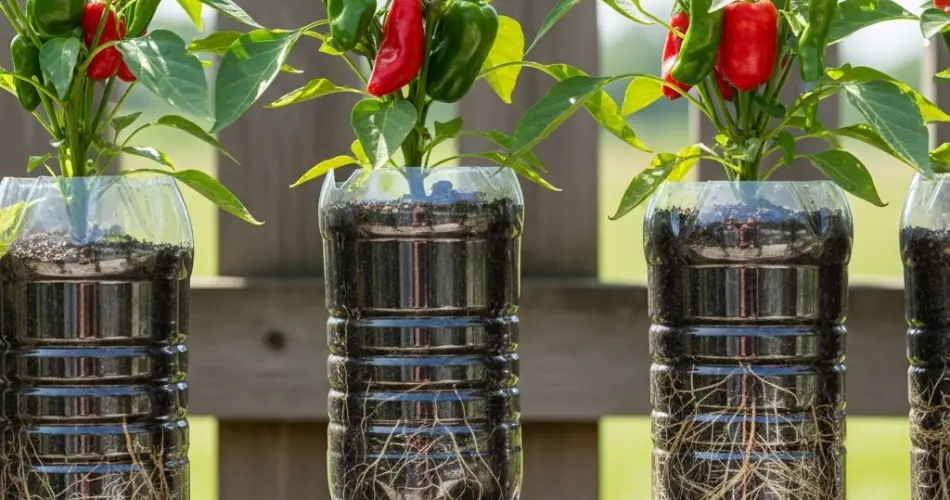
Cloning chili pepper plants is a smart and economical way to multiply your favorite varieties while maintaining their unique characteristics. Instead of starting from seeds, cloning allows gardeners to propagate exact genetic copies of a parent plant, ensuring consistent fruit quality and flavor. Using reused plastic bottles as cloning containers is a simple, sustainable method that provides the ideal environment for chili pepper cuttings to root and grow.
This guide walks you through the step-by-step process of cloning chili pepper plants using recycled bottles, helping you expand your garden efficiently and eco-consciously.
Why Clone Chili Pepper Plants Using Recycled Bottles?
Reusing plastic bottles to clone chili peppers offers multiple benefits:
-
Eco-Friendly: Repurposes plastic waste, reducing environmental impact.
-
Cost-Effective: Eliminates the need for specialized cloning kits.
-
Space-Saving: Bottles are compact and perfect for indoor propagation.
-
Controlled Environment: Bottles create mini-greenhouses, maintaining humidity and warmth essential for rooting.
-
Easy Monitoring: Transparent plastic lets you observe root development without disturbing the cuttings.
Materials You’ll Need
-
Clean, empty clear plastic bottles (1 or 2 liters)
-
Sharp scissors or a craft knife
-
Healthy chili pepper cuttings (4 to 6 inches long)
-
Rooting hormone (optional but recommended)
-
Potting mix or seed-starting soil
-
Clean water
-
Spray bottle for misting
-
Labels or markers for identification
Step 1: Preparing the Bottles
Wash the plastic bottles thoroughly to remove dirt and labels. Removing labels allows you to monitor the progress inside the bottle.
Using scissors or a craft knife, cut each bottle horizontally about one-third from the top. The bottom part will hold the soil and cuttings, and the top section will act as a humidity dome.
Create several drainage holes at the base of the bottom half to prevent waterlogging and root rot. Optionally, punch small ventilation holes in the inverted top section to regulate airflow.
Step 2: Preparing Chili Pepper Cuttings
Select healthy, disease-free chili pepper plants for cuttings. Cut 4 to 6-inch sections from non-flowering shoots just below a leaf node, where roots are most likely to develop.
Remove the lower leaves from the cutting, leaving only a few leaves at the top. This reduces water loss and encourages root formation.
Optional: Dip the cut ends in rooting hormone powder or gel to accelerate rooting and increase success rates.
Step 3: Setting Up the Bottle Cloner
Fill the bottom portion of the bottle with moist potting mix or seed-starting soil, leaving about an inch of space from the rim.
Make a small hole in the soil and insert the cutting gently, ensuring the cut end is buried while the leaves remain above soil level.
Lightly firm the soil around the stem to stabilize the cutting.
Invert the top part of the bottle over the bottom section to create a humidity dome that traps moisture and warmth, creating an ideal rooting environment.
Step 4: Providing Proper Conditions
Place the bottle cloner in a bright area with indirect sunlight. Avoid harsh direct sun exposure, which can overheat the cuttings.
Maintain a consistent temperature between 22°C to 28°C (72°F to 82°F) to encourage root growth.
Mist the cuttings regularly using a spray bottle to keep humidity high and reduce water loss through the leaves.
Step 5: Monitoring Root Development and Care
Roots typically begin to form within 10 to 21 days, depending on the variety and environmental conditions.
Thanks to the bottle’s transparency, you can monitor root growth easily without disturbing the cuttings.
Avoid overwatering, which can cause fungal problems. Keep the soil moist but not soggy.
Gradually increase ventilation by slightly lifting or removing the humidity dome once roots start to establish, preventing mold and strengthening the plant.
Step 6: Transplanting Rooted Chili Pepper Plants
When roots reach 3 to 5 centimeters (1 to 2 inches) in length, the clones are ready for transplanting.
Carefully remove the cuttings from the bottle, taking care not to damage the fragile roots.
Transplant them into larger pots or garden beds filled with nutrient-rich, well-draining soil.
Harden off the plants by gradually exposing them to outdoor conditions before planting permanently outdoors.
Tips for Success in Cloning Chili Peppers with Bottles
-
Use only healthy parent plants free from pests and diseases.
-
Change or refresh water regularly if rooting cuttings in water before transferring to soil.
-
Label each bottle with the chili variety and date for easy tracking.
-
Avoid overcrowding; clone one cutting per bottle for best results.
-
Ensure adequate light exposure to prevent leggy growth.
-
Maintain cleanliness throughout the process to reduce disease risks.
Benefits of Bottle Cloning for Chili Pepper Propagation
-
Environmental Impact: Encourages reuse of plastic, reducing waste.
-
Efficiency: Cloning produces plants faster than starting from seed.
-
Genetic Consistency: Clones are exact copies, preserving desired traits.
-
Accessibility: Bottle cloners are easy to assemble and use at home.
-
Portability: Lightweight bottles can be moved to optimize light and temperature.
Common Issues and Solutions
-
Mold or Fungal Growth: Increase airflow by venting the dome and reduce watering frequency.
-
Wilting Cuttings: Check humidity levels and avoid direct sunlight. Mist regularly.
-
Slow Root Development: Ensure adequate warmth and consider applying rooting hormone.
-
Root Rot: Maintain proper drainage and avoid waterlogged soil.
Conclusion
Cloning chili pepper plants using reused plastic bottles is a practical, sustainable, and cost-effective propagation method. This approach allows gardeners to multiply their favorite chili varieties quickly while reducing plastic waste.
By following the simple steps of preparing bottles, selecting and treating cuttings, maintaining optimal conditions, and carefully transplanting rooted plants, you can successfully expand your chili pepper collection. Whether you are a beginner or an experienced gardener, bottle cloning offers a rewarding way to nurture new plants and enjoy plentiful chili harvests.


