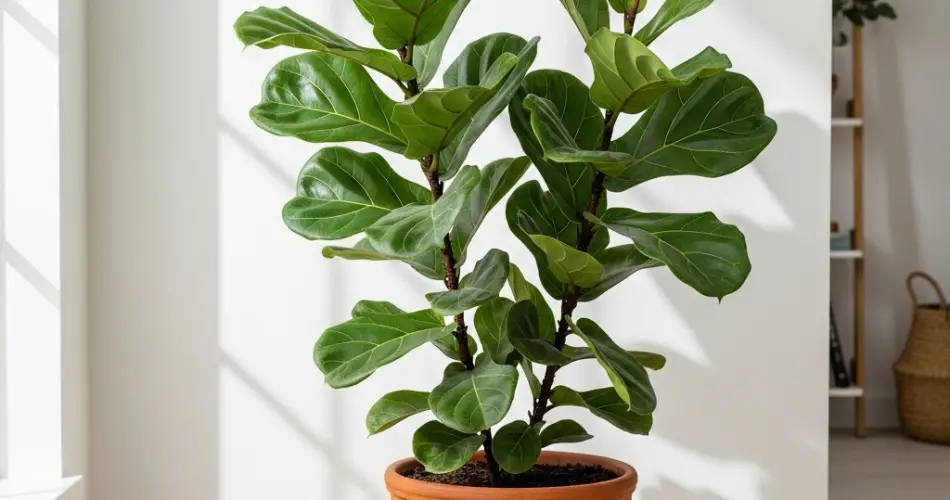
The fiddle leaf fig (Ficus lyrata) is known for its striking, oversized leaves and tall, architectural form. It’s a favorite among indoor plant lovers, but many hesitate when it comes time to repot. This process, while necessary for long-term plant health, can cause stress to both the plant and the owner—especially if it’s not done properly.
Fortunately, repotting your fiddle leaf fig doesn’t have to be a nerve-wracking experience. With the right approach, you can transfer it into a new home with minimal shock, encouraging fresh growth and stronger roots. Here’s a practical, step-by-step guide to help you repot your fiddle leaf fig without setting it back.
Why and When to Repot
Fiddle leaf figs don’t need frequent repotting, but doing it at the right time is essential for healthy development. As the plant grows, its root system expands and will eventually outgrow the container. If the roots become crowded, the plant’s access to water, oxygen, and nutrients is compromised.
Signs it’s time to repot:
-
Roots circling the surface or poking out of drainage holes
-
Water drains too quickly or not at all
-
Stunted growth or frequent wilting
-
Soil dries out unusually fast
-
It’s been over two years since the last repotting
Best time to repot:
Spring or early summer is ideal. During the growing season, the plant is more resilient and can recover faster from the transition. Avoid repotting during dormancy in winter unless it’s absolutely necessary.
Choosing the Right Pot
Select a pot that is only 2 to 4 inches wider in diameter than the current one. A pot that’s too large can retain too much moisture, increasing the risk of root rot. A properly sized container provides just enough room for root expansion without overwhelming the plant.
Always ensure the pot has drainage holes. Good drainage is crucial for fiddle leaf figs, which are sensitive to overly wet conditions. For added airflow and root protection, you can place a small layer of gravel or mesh over the drainage holes to prevent soil loss while still allowing water to exit.
Selecting the Best Soil
A high-quality, well-draining soil mix is key. You’ll want a blend that retains some moisture without becoming waterlogged.
Recommended mix:
-
2 parts indoor potting mix
-
1 part perlite or pumice
-
1 part pine bark or coco coir
This combination ensures the roots get adequate oxygen and drainage while staying lightly moist between waterings.
Step-by-Step Repotting Process
-
Water the plant 1–2 days in advance
This helps soften the root ball and reduces the chance of shock during repotting. -
Gently remove the plant
Lay the pot on its side and gently coax the plant out. Support the base of the trunk and avoid pulling harshly. If the plant is stuck, tap the sides or slide a tool along the inside edge. -
Loosen the root ball
Gently tease the roots apart, especially if they’re tightly bound. Trim away any dead or mushy roots using sterile scissors or pruners. -
Prepare the new pot
Add a layer of fresh soil at the bottom. Position the plant so it sits at the same depth as before—too deep and the stem may rot; too shallow and roots may be exposed. -
Backfill with soil
Fill in around the root ball with your prepared soil mix. Lightly press down to remove large air pockets, but don’t compact it too much. -
Water thoroughly
Give the plant a deep watering until water drains from the bottom. This helps settle the soil around the roots.
Post-Repotting Care Tips
Repotting can be stressful for plants, even when done gently. A bit of leaf droop or slowed growth is normal afterward. Focus on stable aftercare to help the plant bounce back.
-
Keep light consistent: Maintain the same lighting conditions your fiddle leaf fig is used to. Avoid moving it to a new location for at least a few weeks.
-
Hold off on fertilizer: Wait 4–6 weeks before resuming feeding. Newly disturbed roots are sensitive to added nutrients.
-
Water cautiously: Allow the top few inches of soil to dry out before watering again. Overwatering during recovery can slow healing.
-
Avoid pruning: Don’t trim or propagate your fig immediately after repotting. Let it reestablish first.
How Often Should You Repot?
Most fiddle leaf figs need repotting every 1–2 years while they’re actively growing. Larger or older plants may only need fresh soil or a larger pot every 3–4 years. If your plant is thriving and not showing signs of root congestion, it’s okay to wait longer.
Final Thoughts
Repotting a fiddle leaf fig is a key part of its long-term care. Done correctly, it gives the plant more space to grow, reduces root stress, and improves soil quality. While the process might seem intimidating, following a careful method ensures minimal disruption to your plant.
With the right pot, fresh soil, and patient aftercare, your fiddle leaf fig will continue to thrive—rewarding you with glossy leaves and robust vertical growth for years to come.


