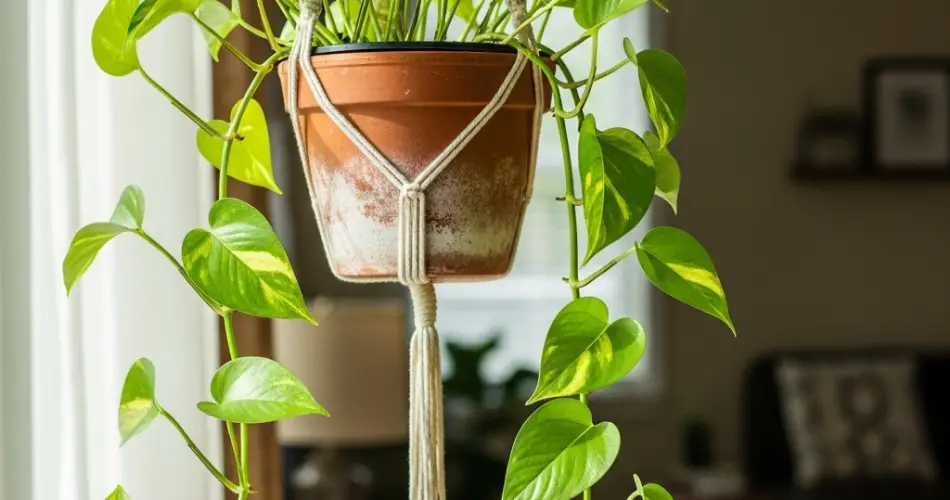
Pothos plants are beloved for their hardiness and rapid growth, but with that comes the need for occasional repotting. When a pothos becomes root-bound or starts showing signs of stress—like slowed growth, yellowing leaves, or roots escaping from the drainage holes—it’s time to move it into a bigger home. Repotting not only allows the roots more space to grow but also refreshes the plant with nutrient-rich soil and better drainage.
Here’s a step-by-step guide to repotting an overgrown pothos correctly so it continues to thrive and beautify your space.
Signs Your Pothos Needs Repotting
A pothos doesn’t require frequent repotting, but certain signs indicate that it’s time:
-
Roots are circling the inside of the pot or poking out from the drainage holes
-
Water runs straight through the pot without being absorbed
-
Soil dries out unusually fast after watering
-
Leaves are wilting or yellowing despite regular care
-
The plant has become top-heavy or unbalanced
Typically, a pothos needs repotting every 1–2 years. However, in ideal growing conditions, it may outgrow its pot more quickly.
When to Repot
The best time to repot pothos is during its active growing season—spring through early summer. This allows the plant to adjust to its new pot and environment more easily, promoting faster recovery and new growth. Avoid repotting in winter when growth naturally slows.
Tools and Supplies You’ll Need
-
A new pot (1–2 inches larger in diameter than the current one)
-
Fresh, well-draining potting mix
-
Scissors or pruning shears (sterilized)
-
Trowel or small shovel
-
Gloves (optional)
When selecting a new container, make sure it has drainage holes. Overly large pots may retain too much moisture, increasing the risk of root rot.
Choosing the Right Soil
Pothos thrives in a light, airy, and well-draining soil mix. A basic indoor potting mix with added perlite or pumice works well. You can make your own mix by combining:
-
2 parts potting soil
-
1 part perlite or coarse sand
-
Optional: a handful of coconut coir or peat moss for moisture balance
Avoid dense or heavy soils that can suffocate the roots.
How to Repot Overgrown Pothos
1. Water the Plant Ahead of Time
Water the pothos a day before repotting. Moist soil holds together better and reduces transplant shock.
2. Remove the Plant Gently
Loosen the soil around the edges of the pot, then carefully tip the container to slide out the root ball. You may need to gently tap the sides or base to dislodge it. If roots are tightly wrapped around the inside, tease them apart with your fingers.
3. Trim Excess or Damaged Roots
Inspect the roots. Trim away any blackened, mushy, or dead roots with sterilized scissors. If the roots are extremely dense, feel free to cut back up to 25% to encourage healthier regrowth.
4. Prepare the New Pot
Add a layer of fresh soil at the bottom of the new container. Place the pothos in the center, ensuring the root ball sits about an inch below the rim. Fill in around the sides with soil, gently pressing it down to remove air pockets.
5. Water Thoroughly
Water the plant well to help settle the new soil and hydrate the roots. Let the excess water drain completely.
Aftercare Tips
After repotting, place the pothos in a location with bright, indirect light. Avoid direct sunlight for a few days while it recovers. Resume your regular watering schedule, keeping the soil slightly moist but not soggy.
Don’t fertilize immediately after repotting—wait at least 4–6 weeks, as fresh soil already contains nutrients. Resume feeding monthly during the growing season after the adjustment period.
If your plant wilts slightly in the first few days, don’t worry—this is normal as it acclimates. As long as the roots are healthy and conditions are right, it will bounce back.
Optional: Propagate While Repotting
Repotting is also a great time to propagate your pothos. If you prune long vines or trim excessive growth, save the cuttings! Place 4–6 inch stem sections in water, and after a few weeks, they’ll develop roots. These can be potted separately to create new plants or fill out sparse areas of your current pothos.
Final Thoughts
Repotting an overgrown pothos is a simple but vital task to ensure the plant stays healthy, vibrant, and fast-growing. With the right timing, soil, and technique, you can give your plant the space it needs to flourish.
Take this opportunity to refresh its look, promote better growth, and maybe even multiply your pothos collection with a few well-timed cuttings.


