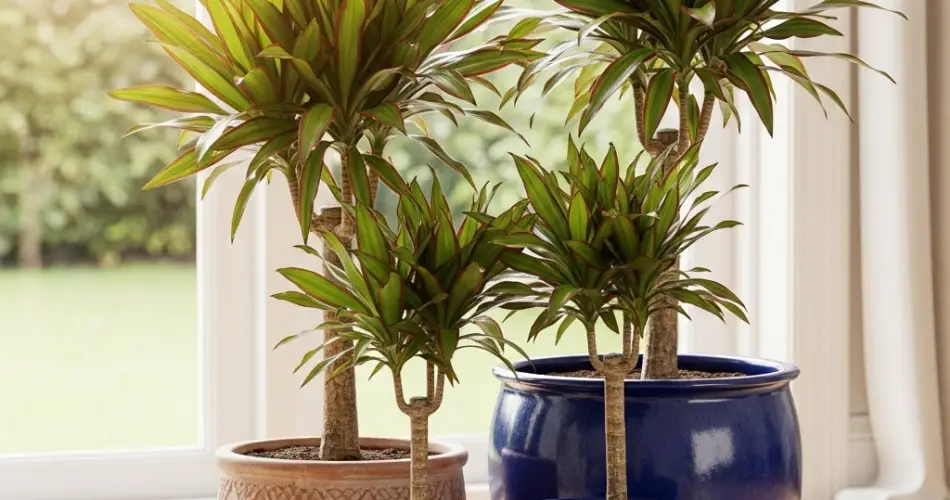
Dracaena is a popular indoor plant known for its dramatic foliage, architectural shape, and easygoing care needs. While it tolerates a variety of conditions, long-term health depends on proper root care and timely repotting. A neglected root system can lead to stunted growth, yellowing leaves, and poor overall health. Understanding how and when to repot your Dracaena—and how to care for its roots—ensures it remains vibrant, well-anchored, and thriving for years to come.
Why Repotting Dracaena Matters
As Dracaena grows, its roots expand and eventually fill the pot. When this happens, the plant becomes root-bound, meaning the roots are cramped, wrapped around the inside of the pot, and may start to circle themselves. This condition limits access to nutrients, water, and oxygen, which leads to slower growth and stress.
Repotting provides fresh soil, space for root expansion, and improved drainage, all of which are critical to long-term plant health. It also allows you to inspect the root system for signs of disease or decay before it becomes a serious problem.
When to Repot Your Dracaena
Repotting is generally needed every 2 to 3 years, depending on the plant’s growth rate and pot size. The best time to repot is during the spring or early summer, when the plant is actively growing and better able to recover from the disruption.
Signs your Dracaena needs repotting include:
-
Roots growing out of the drainage holes
-
Water draining too quickly or too slowly
-
Soil that looks compacted or depleted
-
Slower growth even with regular care
-
A pot that feels very light or top-heavy
Choosing the Right Pot and Soil
Select a new pot that’s 1 to 2 inches wider in diameter than the current one. Avoid jumping to a much larger container, as this can lead to excess moisture retention and root rot. The pot must have drainage holes to allow water to escape easily.
Use a well-draining potting mix designed for houseplants. Dracaena prefers a loose soil blend that retains some moisture but doesn’t stay soggy. A good mix might include:
-
Peat moss or coco coir for moisture retention
-
Perlite or pumice for drainage and aeration
-
A small amount of compost or organic matter for nutrients
Step-by-Step Repotting Process
-
Water the plant the day before to soften the soil and reduce stress during repotting.
-
Gently remove the plant from its current pot by tipping it sideways and easing it out. Avoid pulling on the stem.
-
Inspect the roots. Healthy roots are white or tan and firm. Trim away any black, mushy, or foul-smelling roots with clean, sharp scissors or pruning shears.
-
Loosen compacted roots if they are tightly wound around the root ball. This encourages them to grow outward into the new soil.
-
Place fresh soil in the bottom of the new pot, then position the plant upright in the center. Fill in around the sides with more soil, pressing lightly to remove air pockets.
-
Water thoroughly after repotting until excess drains out the bottom. This helps settle the soil around the roots.
Post-Repotting Care
After repotting, place your Dracaena in a bright, indirect light location and avoid fertilizing for the first 4–6 weeks. This gives the roots time to adjust to their new environment without being overwhelmed by added nutrients.
Monitor the plant closely for signs of stress, such as wilting or yellowing. Some temporary drooping is normal, but if symptoms persist, check for compacted soil, overwatering, or damaged roots.
Routine Root Care Tips
In between repotting sessions, you can promote healthy roots with the following practices:
-
Avoid overwatering. Dracaena roots are prone to rot if kept in consistently soggy soil. Let the top 1–2 inches of soil dry out between waterings.
-
Flush the soil every few months with plain water to remove salt and mineral buildup from fertilizers and tap water.
-
Don’t let the pot sit in standing water. Always empty the saucer after watering.
-
Aerate compacted soil gently with a chopstick or skewer to improve oxygen flow to the roots.
-
Keep an eye on root health during routine care. If the plant seems unwell despite adequate lighting and watering, root issues may be the cause.
Common Root Problems to Watch For
-
Root Rot: Caused by overwatering or poor drainage. Symptoms include black, mushy roots, yellow leaves, and foul odor. Trim off affected roots and repot into fresh soil.
-
Root Bound Conditions: A severely root-bound plant may stop growing and become unstable. Repotting into a slightly larger pot usually resolves this.
-
Salt Buildup: Over time, mineral deposits from water and fertilizer can harm the roots. Flushing the soil regularly helps prevent this.
Final Thoughts
Repotting and root care are essential parts of Dracaena maintenance that often get overlooked. Giving your plant fresh soil, space to grow, and proper root attention will significantly enhance its overall health, appearance, and longevity. With these techniques, your Dracaena will continue to thrive indoors, bringing lush, green beauty to your home for years to come.


