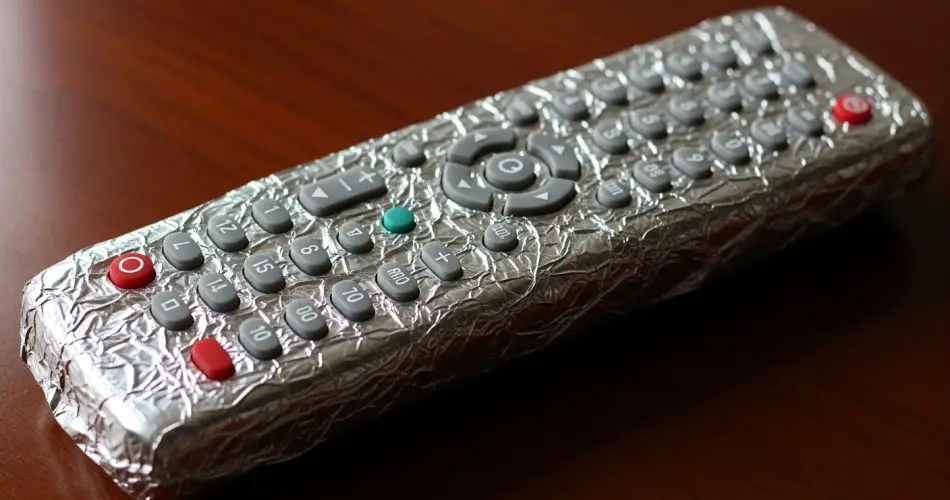
Aluminum foil is one of those everyday items that almost every household has in the kitchen. It’s handy for wrapping leftovers, baking, and storing food, but its usefulness goes far beyond the kitchen. You might be surprised to learn that aluminum foil can actually help you restore or protect electronic devices — especially your remote control.
While it may sound odd, there’s real logic behind wrapping your remote or using foil inside its battery compartment. Before we explore how this works, let’s take a closer look at what aluminum foil is, how it behaves, and why it can become a valuable ally for your electronics and household chores.
The Importance of Caring for Battery-Powered Devices
Whether it’s a TV remote, wall clock, or wireless mouse, many household gadgets run on batteries. One of the most common mistakes people make is leaving batteries inside unused devices for long periods. Over time, batteries can leak or oxidize, releasing corrosive substances that damage the metal contacts inside the device. Once that happens, the gadget often stops working — and many people throw it away thinking it’s broken.
However, oxidation doesn’t always mean the device is permanently damaged. Sometimes, it just needs a little help to restore conductivity between the battery terminals and the device’s metal contacts. This is where aluminum foil comes in handy.
Why Aluminum Foil Works
Aluminum foil is an excellent conductor of electricity. It allows electric current to pass through easily, which is why it’s often used in electronics and industrial settings. When a device’s battery contacts are slightly corroded or loose, the connection between the battery and the receiver weakens, preventing proper power flow.
By placing a small piece of aluminum foil between the battery and the terminal, you can reestablish this connection. The foil fills any tiny gaps caused by wear, oxidation, or slightly undersized batteries, allowing electricity to flow properly again.
This simple trick can make an old or unresponsive remote work like new again — without having to buy a replacement or spend money on repairs.
How to Use Aluminum Foil in a Remote Control
If your remote has stopped responding or only works intermittently, try this easy fix:
-
Remove the batteries and inspect the battery compartment. If you see white or greenish residue, that’s a sign of oxidation.
-
Clean the area gently with a cotton swab dipped in vinegar or lemon juice to remove any corrosion. Let it dry completely.
-
Cut a small piece of aluminum foil — just big enough to cover the positive or negative contact where the battery touches.
-
Place the foil between the battery and the contact, ensuring it sits snugly and does not shift when you close the cover.
-
Insert the batteries again and test the remote. In most cases, you’ll notice immediate improvement.
This method can work for other battery-operated devices as well — such as flashlights, small radios, or toys — extending their lifespan and saving you money.
Why This Trick Helps You Save and Protect the Environment
Throwing away electronics prematurely contributes to the growing problem of electronic waste, which is difficult and expensive to recycle. Every time you can fix or extend the life of a gadget instead of replacing it, you reduce your environmental footprint.
In addition, aluminum foil is recyclable and reusable. Using a small piece to repair a device not only helps it function better but also supports a more sustainable approach to everyday living.
When combined with proper battery care — such as removing them from devices that won’t be used for a while — this simple trick can help you protect your electronics and prevent unnecessary spending.
Other Clever Household Uses for Aluminum Foil
The foil’s usefulness doesn’t end with electronics. It’s one of the most versatile materials in any home, capable of performing a surprising number of tasks beyond cooking. Here are some creative ways to make the most of it:
1. Polishing Jewelry and Silverware
If your silver or jewelry has tarnished, aluminum foil can help restore its shine. Line a bowl with foil, add hot water and a tablespoon of baking soda, then soak the items for a few minutes. The chemical reaction will lift the tarnish, leaving your silver sparkling again. You can also rub the surface gently with a small ball of foil for a quick polish.
2. Improving Ironing Efficiency
Place a sheet of aluminum foil underneath your ironing board cover. The foil reflects heat back up through the fabric, allowing you to iron both sides of your clothes at once. This reduces ironing time and energy use — a clever hack for busy households.
3. In the Dryer to Reduce Static Electricity
Roll a sheet of foil into a ball and toss it into the dryer with your clothes. The foil neutralizes static buildup, preventing clothes from sticking together. It’s an eco-friendly alternative to disposable dryer sheets, and one ball can last for dozens of cycles.
4. Sharpening Scissors
Dull scissors can be revived easily by cutting through several layers of aluminum foil. The friction helps smooth and realign the blades, improving their cutting performance.
5. Moving Furniture Without Scratching Floors
If you need to move a heavy table or chair, place small pieces of foil (shiny side down) under each leg. This will help the furniture glide smoothly across the floor, preventing scratches and reducing effort.
6. Keeping Insects Away from Plants
Gardeners can also benefit from aluminum foil. Wrap a little around the base of plants or place small strips in the soil — the reflective surface confuses and deters insects that might otherwise feast on your leaves.
The Hidden Power of an Everyday Material
Who would have thought that a simple roll of aluminum foil could be so useful? From restoring dead remotes to polishing silverware and keeping pests at bay, this versatile household staple proves that you don’t always need to spend money on new gadgets or expensive cleaning products.
The next time your remote stops working, don’t rush to buy a new one. Try a small piece of foil first — you might just bring it back to life. It’s a small act of ingenuity that saves money, reduces waste, and reminds us that sometimes, the simplest solutions are right in our kitchen drawers.