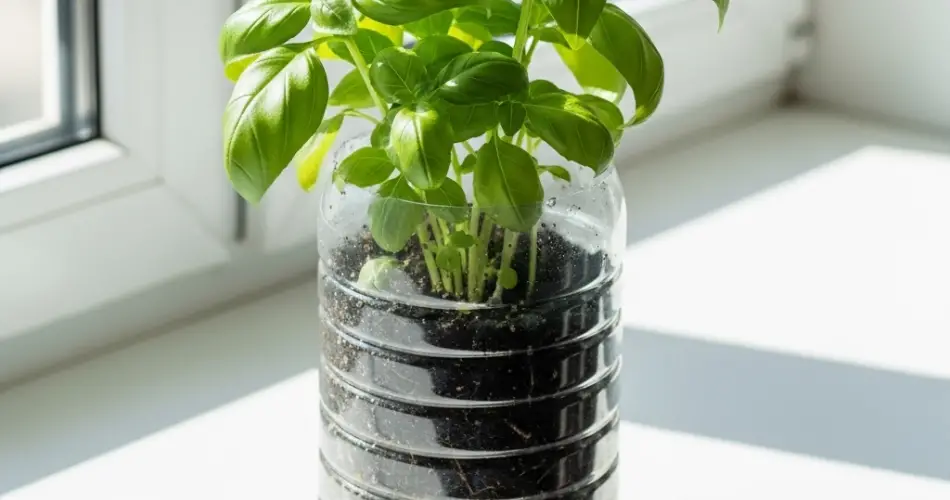
Basil is a beloved herb known for its fragrant leaves and versatility in the kitchen. Whether you use it for pesto, salads, or garnishes, having a fresh supply at your fingertips is always a bonus. While basil can be grown from seeds, regrowing it from cuttings is quicker and often more successful—especially if you want to multiply a healthy, mature plant you already have. In this guide, we’ll show you how to regrow basil from cuttings using recycled plastic bottles, making it a sustainable and space-saving project perfect for indoor or balcony gardeners.
Why Use Plastic Bottles?
Plastic bottles are a convenient and eco-friendly way to propagate basil. Instead of tossing empty soda or water bottles into the recycling bin, they can be transformed into miniature greenhouses or self-watering containers. Their transparent sides allow you to monitor root development, and their compact size makes them ideal for windowsills or small spaces.
What You’ll Need
-
Healthy basil cuttings (3–6 inches long)
-
A clear plastic bottle (1.5–2 liters is ideal)
-
A sharp knife or scissors
-
Clean water
-
Potting soil (optional for later transplanting)
-
A sunny windowsill or outdoor area with indirect light
Step 1: Take a Healthy Cutting
Start by selecting a mature, healthy basil plant. Look for stems that are green, firm, and free of pests or disease. Using sterilized scissors or a sharp knife, snip off a cutting that’s about 3–6 inches long. Make the cut just below a leaf node—the point where leaves emerge from the stem. Remove the leaves from the lower half of the cutting, leaving a few at the top.
Leaf nodes are important because they’re where new roots will grow. Removing the lower leaves ensures none of the foliage will rot in water, which can spoil your propagation efforts.
Step 2: Prepare the Plastic Bottle
Take your clean plastic bottle and cut it in half horizontally. The top half will be inverted and placed inside the bottom half, creating a simple hydroponic container. If you prefer, you can also just cut off the top third of the bottle and use the lower part as a simple rooting vessel.
Poke a few small holes in the bottle cap to allow air exchange, or remove the cap altogether to ensure good airflow. Fill the bottom portion of the bottle with clean, room-temperature water—enough so that the nodes of the basil cutting will be submerged when inserted.
Step 3: Place the Cutting in Water
Insert your basil cutting into the water, ensuring the cut end and the leaf nodes are fully submerged. Keep the leaves above the waterline to prevent rot. If you’re using the inverted top half of the bottle, place it inside the bottom half and position the stem so it stands upright.
Place the setup in a warm, bright area that gets indirect sunlight. A kitchen windowsill or balcony ledge works perfectly. Avoid direct harsh sunlight, which can cause the water to heat up too much and damage the cutting.
Step 4: Wait for Roots to Develop
Basil is a fast-rooting herb. In ideal conditions, you’ll begin to see roots forming within 5 to 10 days. Change the water every few days to prevent stagnation and bacteria buildup. Clear plastic bottles make it easy to monitor root growth.
Once the roots are about 2 inches long, the cutting is ready for transplanting into soil, though you can continue growing it in water if you prefer a hydroponic setup.
Step 5: Transplant (Optional)
To grow your basil in soil, prepare a small pot with drainage holes and fill it with well-draining potting mix. Make a hole in the soil with your finger or a stick and gently place the rooted cutting inside. Firm the soil around the base of the plant and water thoroughly.
Continue caring for your new basil plant by placing it in a sunny location and watering it when the top inch of soil feels dry. Pinch off the top leaves regularly to encourage bushier growth and prevent flowering, which can make the leaves bitter.
Tips for Success
-
Take cuttings in the morning when the plant is fully hydrated.
-
Always use clean tools and containers to prevent disease.
-
Use filtered or rainwater if your tap water is high in chlorine.
-
If growing indoors, rotate your basil every few days to ensure even light exposure.
-
Basil prefers temperatures above 70°F (21°C), so avoid cold drafts.
Final Thoughts
Regrowing basil from cuttings using plastic bottles is a smart and sustainable gardening method that’s accessible to anyone, even those with minimal space or resources. With just a little effort, you can create a thriving herb garden from scraps—perfect for fresh cooking year-round. Whether you’re an experienced gardener or a curious beginner, this method offers a rewarding way to multiply your basil plants and reduce waste at the same time.


