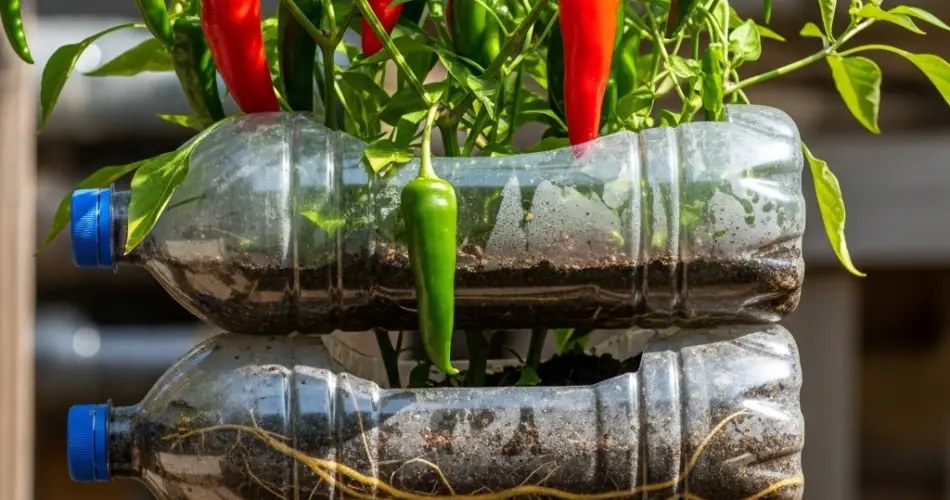
Growing chili peppers from seed is a rewarding gardening experience, but it requires careful attention to warmth, moisture, and protection during the early stages. One effective and environmentally friendly method to propagate chili peppers is by using recycled plastic bottles as mini-greenhouses. This technique creates a controlled microclimate that fosters fast germination and strong seedling development. Using bottles not only saves space but also repurposes plastic waste, making it a sustainable choice for gardeners. This article provides a step-by-step guide on propagating chili peppers from seed using bottles.
Why Use Plastic Bottles for Chili Pepper Propagation?
Chili pepper seeds need consistent warmth, humidity, and shelter from harsh conditions to germinate well and grow healthy seedlings. Using plastic bottles as propagation containers offers several advantages:
-
Maintains Warmth and Humidity: Bottles create a humid, warm environment ideal for chili seed germination.
-
Protects Young Seedlings: Bottles shield delicate seedlings from temperature fluctuations, pests, and drafts.
-
Eco-Friendly: Repurposes plastic waste, promoting sustainable gardening practices.
-
Space-Saving: Compact bottles are perfect for gardeners with limited indoor space.
-
Easy Monitoring: Clear plastic allows for easy observation of seedling progress and soil moisture.
Materials Needed
-
Clear plastic bottles (1 to 2 liters)
-
Sharp scissors or utility knife
-
Seed-starting mix or light potting soil
-
Chili pepper seeds
-
Spray bottle for gentle watering
Preparing the Bottle Propagation Containers
-
Clean the Bottles: Thoroughly wash bottles to remove any residue and ensure a sterile environment for seed starting.
-
Cut the Bottles: Cut each bottle horizontally about two-thirds from the bottom. The bottom section will hold soil and seeds, while the top section serves as a humidity dome.
-
Add Drainage: Poke small drainage holes in the bottom section to prevent waterlogging and ensure proper drainage.
-
Ventilation: Remove the bottle cap or puncture small holes in it to allow airflow while maintaining humidity.
Preparing Soil and Sowing Seeds
Chili peppers thrive in light, well-draining soil:
-
Moisten the seed-starting mix before filling the bottle planter. The soil should be damp but not waterlogged.
-
Fill the planter about two inches below the rim to allow room for watering and air circulation.
-
Sow chili pepper seeds approximately ¼ inch deep, spacing them adequately to avoid overcrowding.
-
Mist the soil gently with a spray bottle to settle the seeds without displacing them.
-
Cover the planter with the bottle top to create a mini-greenhouse effect that traps warmth and moisture.
Optimal Conditions for Germination
Chili pepper seeds generally germinate within 7 to 14 days under favorable conditions:
-
Temperature: Maintain warmth between 75°F and 85°F (24°C to 29°C). Using a heat mat can help sustain consistent temperatures.
-
Light: Seeds don’t require light to germinate, but seedlings need bright, indirect light after emergence to prevent legginess. Provide 12 to 16 hours of light daily using a sunny window or grow lights.
-
Humidity: The bottle dome maintains high humidity. Open the lid briefly once daily to allow fresh air circulation and reduce the risk of fungal growth.
-
Moisture: Keep the soil consistently moist but avoid waterlogging. Mist as necessary to maintain moisture levels.
Caring for Seedlings After Germination
Once seedlings emerge:
-
Gradually increase ventilation by propping the bottle lid open or removing it for longer periods, helping seedlings acclimate to ambient conditions.
-
Water carefully to maintain moist soil without overwatering.
-
Thin seedlings if multiple seeds germinate in the same bottle, leaving the strongest plant.
Transplanting Chili Pepper Seedlings
Seedlings are ready for transplanting when they develop two to three sets of true leaves and appear sturdy, usually after 6 to 8 weeks.
-
Hardening Off: Gradually expose seedlings to outdoor conditions over 5 to 7 days by placing them outside for increasing amounts of time each day.
-
Planting Location: Choose a warm, sunny site with well-draining soil enriched with organic matter.
-
Planting Depth: Transplant seedlings at the same soil depth they were growing in the bottles.
-
Watering: Water thoroughly after transplanting and maintain consistent moisture as plants establish.
Troubleshooting Common Issues
-
Damping-Off Disease: A fungal infection causing seedlings to collapse. Prevent by ensuring good ventilation, using sterilized soil, and avoiding overwatering.
-
Leggy Seedlings: Result from insufficient light. Provide bright, indirect light or use supplemental grow lights.
-
Slow or Poor Germination: Often due to cold temperatures or old seeds. Use fresh seeds and maintain consistent warmth.
Benefits of Bottle Propagation for Chili Peppers
-
Provides an optimal microenvironment for fast, successful seed germination.
-
Protects delicate seedlings while saving space indoors.
-
Recycles plastic bottles, reducing environmental waste.
-
Allows gardeners to monitor moisture and seedling health easily.
Final Thoughts
Propagating chili peppers using recycled plastic bottles is an accessible, sustainable way to nurture strong seedlings that will thrive when transplanted outdoors or into larger containers. The mini-greenhouse effect created by the bottle dome encourages rapid germination and healthy growth, helping gardeners enjoy a bountiful harvest of spicy, flavorful chili peppers. Whether you are a beginner or experienced grower, this bottle propagation method offers a practical and eco-friendly way to start your chili pepper plants successfully.


