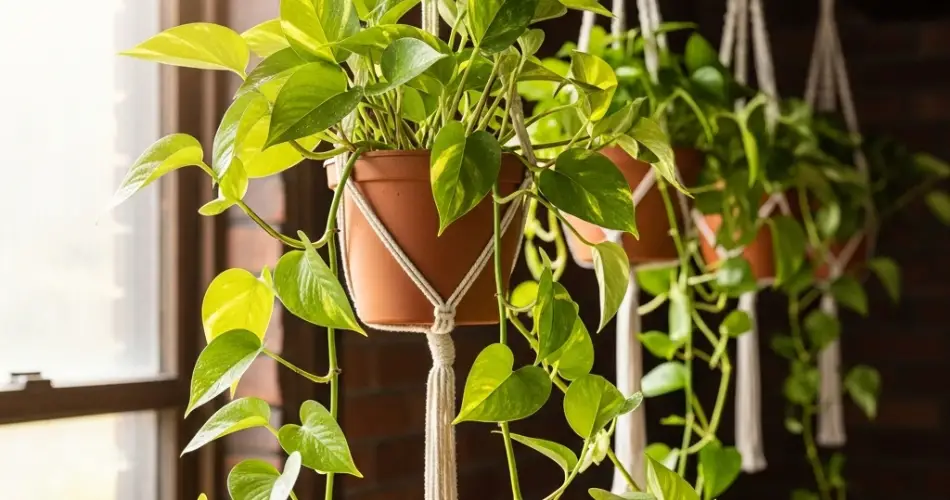
Pothos (Epipremnum aureum), also known as devil’s ivy, is one of the easiest houseplants to propagate and grow—especially in small containers. With its trailing vines and heart-shaped leaves, it adds a vibrant, low-maintenance touch to any indoor space. Even if you’re short on room, pothos can thrive in small pots on windowsills, shelves, or desks, making it ideal for apartments and compact homes.
This guide walks you through the process of propagating pothos and growing it successfully in small pots, from selecting cuttings to maintaining healthy, lush growth.
Why Grow Pothos in Small Pots?
Small pots make pothos easier to manage and display in tight spaces. They’re perfect for windowsills, hanging planters, and even wall-mounted shelves. Pothos also don’t mind slightly snug conditions and will grow happily as long as their basic needs are met.
Smaller containers also help you control watering more precisely—an important factor since pothos hate soggy soil. And when you propagate new plants, starting them in smaller pots is more practical and encourages root development in a contained space.
Propagating Pothos: Step-by-Step
Propagation is one of the easiest and most rewarding ways to multiply your pothos collection. Here’s how to do it:
1. Select Healthy Vines
Choose a mature pothos plant and look for healthy vines with at least 4–6 leaves. Avoid stems that are yellowing or weak.
2. Make the Cut
Using sterilized scissors or pruning shears, cut just below a node (the small bump on the vine where roots will grow). Each cutting should ideally have 2–4 leaves and at least one node.
3. Root in Water or Soil
You can propagate pothos in either water or soil.
-
Water Propagation:
Place the cutting in a glass or jar with clean water, ensuring the nodes are submerged and leaves remain above water. Change the water every few days. Roots usually begin to form in 1–2 weeks. -
Soil Propagation:
Stick the cutting directly into a small pot filled with moist, well-draining soil. Keep the soil slightly moist and the pot in a bright, indirect light location. You’ll feel resistance when roots take hold—usually within 3–4 weeks.
Once roots are about 2–3 inches long in water, you can transplant them to soil, or keep them in water long-term if preferred.
Choosing the Right Small Pot
When transitioning your pothos from water to soil, or planting a cutting directly, pick a small pot with drainage holes. This is essential to prevent root rot and ensure healthy growth.
Best practices for small pots:
-
Size: Start with a pot about 4–6 inches wide.
-
Material: Terra cotta is great for moisture control, while plastic and ceramic are lightweight and decorative.
-
Shape: Wide, shallow pots are ideal for bushier pothos. Hanging pots are perfect for trailing vines.
Soil Requirements
Use a light, well-draining potting mix, such as:
-
A general indoor plant mix
-
Or a DIY mix of 2 parts potting soil, 1 part perlite, and 1 part coconut coir or peat moss
Avoid heavy garden soil or mixes that retain too much water.
Light and Placement
Pothos is adaptable but performs best in bright, indirect light. It can tolerate low light, but growth may slow and leaf variegation may fade. Too much direct sun can burn the leaves.
Ideal spots for small potted pothos include:
-
Near east- or north-facing windows
-
On bookshelves or window ledges with filtered light
-
In hanging baskets in bright rooms
If growing in lower light conditions, opt for green varieties like Jade Pothos, which are more tolerant of shade.
Watering Small Potted Pothos
In smaller pots, soil dries out faster, so regular but careful watering is key.
Watering tips:
-
Water when the top 1–2 inches of soil are dry.
-
Pour water until it drains out the bottom, then discard excess from the saucer.
-
In warmer months, this may be once a week; in cooler months, every 10–14 days.
Overwatering is the most common mistake. If leaves turn yellow or the soil smells sour, reduce watering frequency.
Fertilizing
Feed your pothos every 4–6 weeks during the growing season (spring through early fall) with a balanced liquid fertilizer diluted to half strength. Avoid over-fertilizing, especially in small pots, as it can cause salt buildup and leaf burn.
Pruning and Styling
-
Prune regularly to encourage bushier growth and prevent legginess.
-
Use clean scissors to trim long vines or remove yellowing leaves.
-
You can style your pothos to climb upward using a small moss pole or let it trail naturally over the pot’s edge.
Repotting When Needed
Pothos can live in small pots for quite a while, but eventually, roots will outgrow the space. Signs it’s time to repot:
-
Roots emerging from drainage holes
-
Slowed growth despite good care
-
Soil drying out too quickly
When repotting, move to a pot just one size larger and refresh the soil.
Final Thoughts
Pothos is one of the easiest and most versatile plants to propagate and grow in small pots. With the right care—proper drainage, bright light, and balanced watering—you can enjoy lush, trailing greenery in the tiniest of spaces. Whether on a desk, hanging from a shelf, or climbing up a wall, small-potted pothos adds effortless charm and greenery to any indoor setting.


