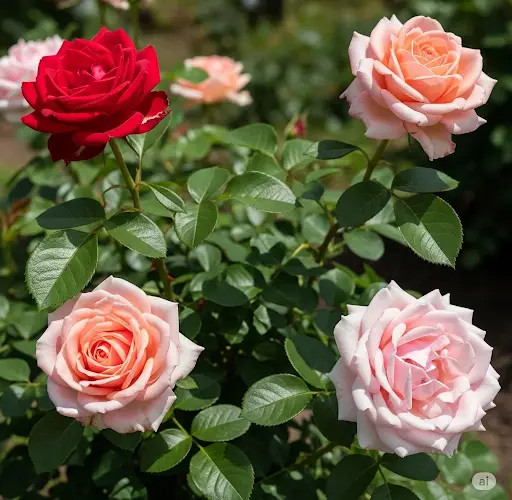
If your garden or potted flowers are looking dull, pale, or on the verge of wilting, there’s a simple, natural remedy that can bring them back to life. Whether it’s a tired-looking petunia, a drooping rose bush, or a struggling indoor plant, this powerful homemade tonic can revitalize even the weakest flowers. Within days, you’ll notice greener leaves, stronger stems, and a flush of fresh blooms.
This method is based on natural ingredients that nourish the roots, energize the plant’s metabolism, and stimulate flowering. It’s ideal for both garden and indoor flowers, and it works especially well on plants that have become sluggish due to poor soil, stress, or lack of nutrients.
Why Flowers Start to Fade
Flowers may stop blooming or show signs of weakness for many reasons. Some of the most common issues include:
-
Poor soil lacking essential nutrients
-
Overwatering or underwatering
-
Root-bound pots or compacted soil
-
Sudden changes in weather or temperature
-
Pest damage or fungal problems
-
Lack of sunlight
In many cases, plants need a gentle but effective boost to restart growth and promote blooming. That’s where this natural solution comes in.
The Secret Tonic: Yeast-Based Flower Activator
This plant remedy is made using baker’s yeast, a common household item that is surprisingly beneficial for flowers. Yeast provides B vitamins, enzymes, and natural growth hormones that help stimulate root development and leaf expansion. It also boosts the activity of beneficial microorganisms in the soil, improving nutrient availability.
Ingredients:
-
1 liter of warm (not hot) water
-
10 grams of fresh baker’s yeast (or 1 teaspoon of dry yeast)
-
1 teaspoon of sugar (optional, to activate fermentation)
How to Prepare and Use It
-
Dissolve the yeast
In a container, mix the yeast with warm water. If using sugar, stir it in to help activate the yeast. Let it sit for 1–2 hours in a warm place. -
Stir and dilute
After fermentation starts (you may see bubbles), stir the mixture again and it’s ready to use. You can use it undiluted for large garden beds, or dilute 1:1 with water for delicate houseplants. -
Apply to the base of the plant
Slowly pour the mixture directly into the soil around the base of the plant. Do not pour on the leaves or flowers, as this can cause spotting.
When and How Often to Use It
-
Frequency: Use the yeast tonic once every 3–4 weeks during the growing season (spring through early autumn).
-
Timing: Apply in the early morning or evening when the soil is cool and the sun is not intense.
-
Avoid overuse: More is not better. Using it too frequently can cause excessive soil microbial activity, which may disrupt plant balance.
What Happens After Application
After applying this yeast-based tonic, you’ll begin to notice:
-
New green leaves sprouting, even on plants that were previously dull or pale
-
Stronger, thicker stems able to support new flower buds
-
More flower stalks and buds appearing within 7–14 days
-
An overall healthier appearance, with better resistance to disease and pests
Even older, sluggish plants often respond with surprising vigor, sending out new shoots and buds that they had previously lacked the energy to produce.
Bonus Tip: Combine with Proper Flower Care
While this solution gives your flowers a powerful boost, it works best when combined with consistent care:
-
Water properly: Keep the soil slightly moist, not soggy. Let the top layer dry out before watering again.
-
Sunlight: Make sure your plants get adequate sunlight—at least 4–6 hours daily for most flowering varieties.
-
Airflow: Avoid overcrowding, which can lead to mold and reduced blooming.
-
Deadheading: Regularly remove faded flowers to direct the plant’s energy toward new blooms.
-
Fertilizer: Use a balanced liquid fertilizer once a month in addition to this yeast tonic for long-term health.
Can You Use This on All Types of Flowers?
Yes, this natural remedy is safe for most ornamental flowers, including:
-
Geraniums
-
Petunias
-
Marigolds
-
Roses
-
Begonias
-
Impatiens
-
Pansies
-
Chrysanthemums
It’s also suitable for flowering houseplants like African violets, peace lilies, and kalanchoes.
Final Thoughts
This simple yeast-based tonic can transform weak, lifeless flowers into lush, blooming plants full of energy and color. It’s easy to make, completely natural, and highly effective—perfect for reviving tired plants and encouraging abundant flowering. If you’re looking for a reliable way to bring vitality back to your garden or indoor flowerpots, this is one of the easiest and most rewarding methods to try.


