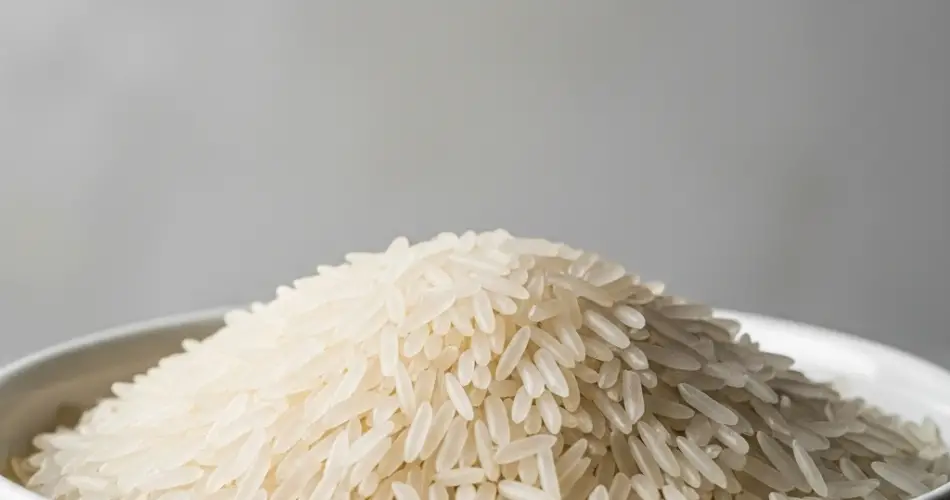
If you’re passionate about gardening and always looking for natural ways to nourish your plants, you might be surprised by the benefits of an unexpected household item: rice pudding. Yes, that creamy dessert you enjoy can actually be transformed into a powerful homemade organic fertilizer to boost your plants’ health and growth.
Using rice pudding as a fertilizer might sound unusual at first, but it’s packed with nutrients that plants love. This simple, natural remedy can revitalize tired, dull plants and improve the overall fertility of your garden soil. In this article, we’ll explain why rice pudding is beneficial for your plants, how to use it correctly, and the amazing results you can expect.
Why Use Rice Pudding as Plant Fertilizer?
Rice pudding contains several nutrients essential for plant growth. The rice itself is rich in carbohydrates, which, when decomposed by soil microbes, enhance microbial activity that improves soil health. The milk in rice pudding provides calcium and other minerals that support plant development.
Here’s how rice pudding helps plants:
-
Feeds beneficial soil microbes: The sugars and starches in rice pudding serve as food for helpful bacteria and fungi that break down organic matter, releasing nutrients plants can absorb.
-
Provides essential minerals: Milk is a natural source of calcium, magnesium, and phosphorus, all of which play crucial roles in plant structure and metabolism.
-
Improves soil texture: The organic matter from rice pudding helps retain moisture and improves soil aeration, creating a better environment for roots.
-
Acts as a gentle fertilizer: Unlike synthetic fertilizers, rice pudding releases nutrients slowly and safely, avoiding fertilizer burn or toxicity.
How to Use Rice Pudding for Your Plants
Before applying rice pudding directly, it’s important to follow a few simple steps to ensure it benefits your plants without causing problems like attracting pests or mold growth.
1. Choose or prepare rice pudding without excessive sugar or additives.
If you make your own, avoid adding cinnamon, nuts, or artificial sweeteners. Store-bought puddings with high sugar content should be diluted to reduce potential harm.
2. Dilute the rice pudding with water.
Mix one part rice pudding with three parts water to create a liquid fertilizer. This prevents overfeeding and makes it easier for the soil and roots to absorb the nutrients.
3. Apply to the soil, not on leaves.
Pour the diluted mixture around the base of your plants, focusing on the soil. Avoid applying on leaves or stems, as the sugars could encourage mold or pests.
4. Use sparingly.
Apply once every two to three weeks during the growing season. Overapplication can lead to unwanted microbial growth or attract insects.
Which Plants Benefit Most from Rice Pudding Fertilizer?
Rice pudding fertilizer is particularly beneficial for:
-
Flowering plants: The phosphorus and calcium support vibrant blooms and strong stems.
-
Vegetables: Calcium helps prevent disorders like blossom-end rot in tomatoes and peppers.
-
Houseplants: Provides a gentle nutrient boost without harsh chemicals.
-
Seedlings and young plants: Encourages root development and healthy growth.
What to Expect After Using Rice Pudding Fertilizer
After the first application, you may notice your plants looking greener and more vigorous within a week or two. The leaves become fuller, flowers bloom brighter, and overall growth improves.
Over time, the soil itself becomes richer in organic matter, supporting a healthier root environment and enhancing moisture retention.
Additional Tips for Best Results
-
Test on a few plants first: Before widespread application, try the fertilizer on a few plants to monitor response.
-
Combine with other organic fertilizers: Rice pudding works well alongside compost teas, diluted manure, or natural mulches.
-
Avoid overwatering: Since rice pudding adds moisture and organic matter, adjust your watering schedule accordingly.
-
Watch for pests: If ants or flies appear, reduce the amount or frequency of application.
Why Homemade Organic Fertilizers Matter
Using kitchen scraps and natural ingredients like rice pudding to fertilize plants reduces waste and supports sustainable gardening. It avoids chemicals, lowers costs, and creates a safer environment for pets, children, and pollinators.
Homemade fertilizers nurture the entire soil ecosystem, promoting long-term plant health rather than just quick fixes. This approach helps gardeners grow plants that are stronger, more resistant to disease, and more productive.
Frequently Asked Questions
Can I use rice pudding with sugar?
It’s best to avoid sweetened or flavored rice puddings or dilute them heavily, as high sugar can encourage harmful microbial growth or pests.
Will rice pudding attract pests?
Proper dilution and soil-only application minimize attraction, but always monitor your garden after use.
Is this safe for edible plants?
Yes, when used correctly, rice pudding fertilizer is safe for vegetables, herbs, and fruit plants.
Final Thoughts
Rice pudding might not be the first thing that comes to mind when thinking of plant fertilizers, but its natural nutrients and ability to improve soil biology make it a surprising and effective organic fertilizer.
By using this simple, homemade solution once or twice during your growing season, you can give your plants a noticeable boost — greener leaves, stronger stems, and more beautiful flowers or fruits. Plus, you’ll be recycling food scraps and promoting an eco-friendly garden.
Give rice pudding fertilizer a try and watch your plants thrive naturally!


