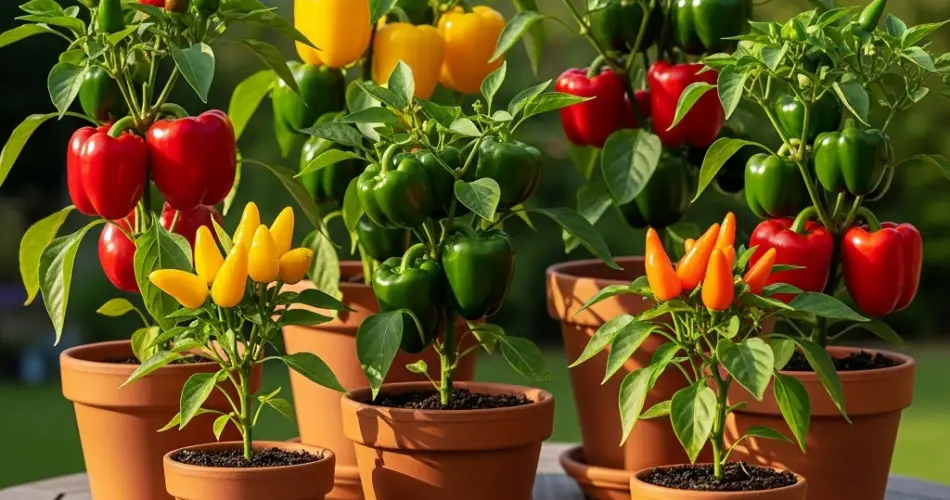
Growing peppers in pots is an excellent way to enjoy a plentiful harvest, even without a traditional garden. Whether you’re working with a sunny balcony, patio, or small backyard space, the right potting methods can help you grow strong, productive pepper plants. With careful attention to container selection, soil preparation, and ongoing care, you can enjoy crisp, vibrant peppers straight from your own home garden.
Here’s how to get the biggest pepper harvests from container-grown plants.
Choosing the Right Pepper Varieties
Before anything else, select pepper varieties suited to your growing conditions. Compact or dwarf types are ideal for small pots, while larger varieties require deeper containers.
Best choices for pots include:
-
Bell peppers – Sweet, crunchy, and widely popular.
-
Cayenne or jalapeño – Great for spicy food lovers.
-
Banana peppers – Easy to grow with a mild flavor.
-
Miniature or patio peppers – Specifically bred for containers.
Choose healthy seedlings or start from seeds about 8–10 weeks before your last expected frost.
Selecting the Right Container
Container size is crucial for pepper growth. The bigger the pot, the more space the roots have to expand, resulting in stronger plants and more fruit.
Ideal container tips:
-
Minimum 3–5 gallons per plant.
-
At least 12 inches deep and wide.
-
Containers made from plastic, ceramic, or grow bags are all suitable.
-
Ensure there are drainage holes to prevent waterlogging.
If you’re planting multiple peppers, use long planters or grow boxes, spacing each plant 12–18 inches apart.
Soil Preparation and Fertilization
Peppers thrive in well-draining, nutrient-rich soil. Avoid using plain garden soil, which may compact in containers and retain too much water.
Potting mix tips:
-
Use high-quality potting soil mixed with compost or aged manure.
-
Add perlite or coco coir to improve aeration.
-
Blend in a balanced slow-release fertilizer at planting time.
Peppers are heavy feeders, especially when fruiting. Throughout the season, supplement with a liquid fertilizer rich in potassium and phosphorus every 2–3 weeks to encourage flowering and fruit development.
Planting Your Peppers
When transplanting seedlings, ensure they’re strong and hardened off before placing them in full sun.
Steps for planting:
-
Fill the container with your prepared potting mix, leaving about 2 inches at the top.
-
Gently remove the seedling from its nursery pot.
-
Bury it slightly deeper than it was originally growing—this helps strengthen the stem.
-
Firm the soil around the base and water thoroughly.
Add mulch or a layer of straw to reduce evaporation and keep the soil cool during hot days.
Proper Watering Techniques
Consistent watering is key to a successful pepper harvest. These plants dislike both dryness and overly soggy conditions.
Watering guidelines:
-
Water deeply when the top inch of soil feels dry.
-
During hot weather, check daily and water as needed.
-
Avoid wetting the leaves to reduce disease risks.
-
Use self-watering pots or watering trays for more stable moisture.
To prevent issues like blossom end rot, avoid letting the soil dry out completely between waterings.
Sunlight and Temperature
Peppers love heat and sunshine. To ensure big harvests, give them at least 6–8 hours of full sun daily. South-facing balconies or patios are ideal.
If your area experiences cooler nights, move pots indoors or cover them to maintain warmth. Peppers prefer daytime temperatures of 70–85°F (21–29°C) and night temperatures above 55°F (13°C).
Supporting Your Plants
As your peppers begin to grow and set fruit, the branches can become heavy. To keep them upright and prevent breakage:
-
Use small tomato cages, bamboo stakes, or plant clips.
-
Gently tie branches that carry heavy fruit.
-
Prune lower leaves and any suckers that grow from the base to improve air circulation and focus energy on fruiting.
Pest and Disease Management
Container-grown peppers are less prone to soil-borne diseases, but still need protection from pests such as aphids, spider mites, and whiteflies.
Prevention tips:
-
Check under leaves regularly for insects.
-
Use neem oil or insecticidal soap as needed.
-
Ensure good airflow around plants by spacing them properly and pruning dense foliage.
Avoid overwatering to reduce the risk of root rot and fungal diseases.
Harvesting for Maximum Yield
Peppers can be harvested at different stages, depending on your preference. Most start green and gradually turn red, orange, yellow, or purple as they ripen.
Tips for harvesting:
-
Use scissors or pruners to avoid damaging the plant.
-
Harvest regularly to encourage more fruit production.
-
If frost threatens in late fall, pick all remaining fruit and ripen them indoors.
Final Thoughts
With the right potting techniques, even a small patio can become a thriving pepper patch. By selecting the right containers, enriching your soil, watering wisely, and giving your plants enough sunlight and support, you’ll enjoy crisp, flavorful peppers all season long. Container gardening puts control in your hands—so get planting and enjoy your biggest pepper harvest yet.


