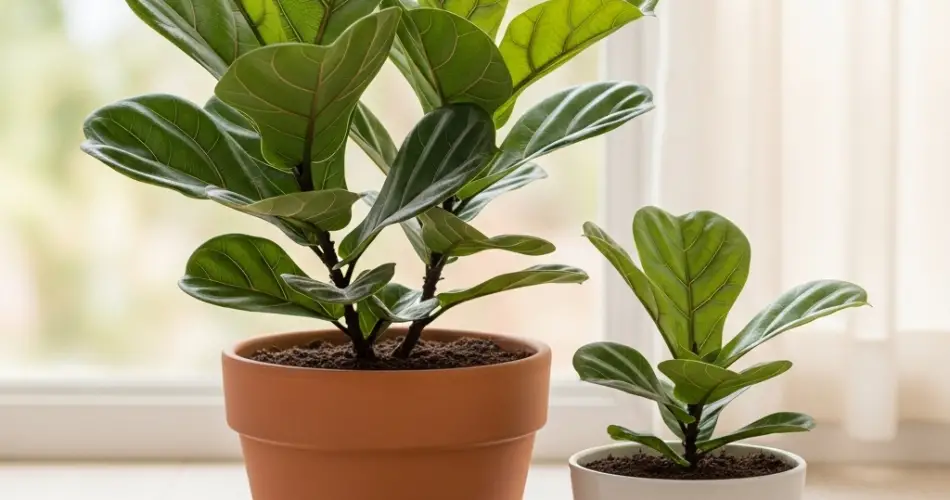
Large-leaf houseplants such as monstera, fiddle leaf fig, alocasia, and philodendron bring a tropical, lush feel to any indoor space. Their bold foliage creates an instant statement, turning an ordinary room into a vibrant living environment. But to keep these leafy beauties healthy and thriving, choosing the right pot and potting approach is just as important as watering and light care.
This guide explores the key factors every big-leaf plant enthusiast should consider when selecting and preparing pots, ensuring your plants grow strong, stable, and stunning year-round.
Why Pot Choice Matters for Big-Leaf Plants
Large-leaf plants tend to have extensive root systems that support their foliage’s size and weight. The wrong pot can restrict root growth, lead to poor drainage, or even cause the plant to topple over. By understanding pot size, material, and structure, you give your plant the foundation it needs for long-term health.
A well-chosen pot:
-
Supports the plant’s weight and height.
-
Prevents root-bound conditions by allowing growth space.
-
Encourages proper drainage to avoid root rot.
-
Complements your interior décor while remaining functional.
Pot Size and Growth Space
Start with the right size. For new plants, choose a pot 2–4 inches wider than the plant’s current root ball. This ensures enough room for roots to grow without creating excessive empty soil space that can hold excess water.
Overpotting—a common mistake—can keep the soil wetter for longer, increasing the risk of root rot. Conversely, using a pot that’s too small can cause the roots to become cramped, leading to stunted growth and reduced leaf size.
For fast-growing plants like monstera or split-leaf philodendron, expect to repot every 1–2 years, or when you notice roots circling the pot’s bottom or pushing out of drainage holes.
Stability for Top-Heavy Plants
Many big-leaf plants have tall stems and broad leaves that can act like sails, catching airflow from open windows or fans. This makes them prone to tipping if not supported by a stable base.
-
Heavier materials like terracotta, concrete, or thick ceramic pots are ideal for tall plants such as fiddle leaf figs.
-
If you prefer lightweight plastic pots, consider using them inside a heavier decorative outer pot for stability.
Adding a layer of small stones or gravel at the bottom can also provide extra weight without affecting drainage.
Drainage: The Non-Negotiable Feature
Regardless of the plant type, proper drainage is essential. A pot with at least one large drainage hole prevents water from pooling at the bottom and suffocating roots.
If you find a decorative pot without holes that you absolutely love, use it as a cachepot—place your plant in a well-draining nursery pot inside it. When it’s time to water, remove the inner pot, let excess water drain, and return it to the decorative container.
Choosing the Right Pot Material
Each pot material has pros and cons that influence watering needs and aesthetics.
Terracotta
-
Porous, allowing soil to dry more quickly—ideal for plants that dislike sitting in moisture.
-
Offers a warm, earthy look.
-
Heavier weight adds stability.
Ceramic (Glazed)
-
Retains moisture longer—helpful in dry climates.
-
Available in a wide range of colors and patterns.
-
Heavy and stable for large plants.
Plastic
-
Lightweight and affordable.
-
Retains moisture longer—requires careful watering.
-
Easy to move for cleaning or rearranging.
Metal or Fiberglass
-
Sleek, modern aesthetic.
-
Generally used as outer pots or covers for inner nursery pots.
Soil Mix for Big-Leaf Plants
The pot is only part of the equation—your soil mix matters just as much. Most big-leaf tropical plants thrive in a well-draining yet moisture-retentive mix. A good starting point is:
-
2 parts high-quality potting soil
-
1 part perlite or coarse sand for drainage
-
1 part coco coir or peat moss for moisture balance
For plants like monstera and philodendron, adding chunky orchid bark can improve airflow around the roots.
Potting Process for Success
-
Prepare the Pot – Ensure it’s clean and has drainage holes. Place a mesh screen over the hole to prevent soil loss while allowing water to pass.
-
Layer the Soil – Add a layer of your soil mix at the bottom.
-
Position the Plant – Place the root ball in the center, ensuring it sits at the same soil depth as before.
-
Fill Around the Roots – Gently pack soil around the root ball, pressing lightly to remove air pockets.
-
Water Thoroughly – Water until excess flows out of the bottom, then allow the plant to drain fully.
Decorative and Functional Pairings
Big-leaf plants are often statement pieces in interior design. Pair them with pots that enhance their visual impact:
-
Minimalist look: Smooth white or matte ceramic pots with simple shapes.
-
Bohemian style: Woven baskets or textured terracotta.
-
Urban industrial: Concrete-look planters or metal containers.
Using a pot stand can elevate the plant, making it more of a focal point while improving airflow around the base.
Final Thoughts
Potting large-leaf houseplants is a balance between beauty and practicality. The right pot not only elevates your home’s style but also supports your plant’s health with proper space, stability, and drainage. By paying attention to pot size, material, and structure, you set the stage for lush, vibrant foliage that can become the centerpiece of your indoor garden.
A thoughtful pot choice, paired with the right soil and care routine, will ensure your big-leaf plants stay healthy and breathtaking for years to come.


