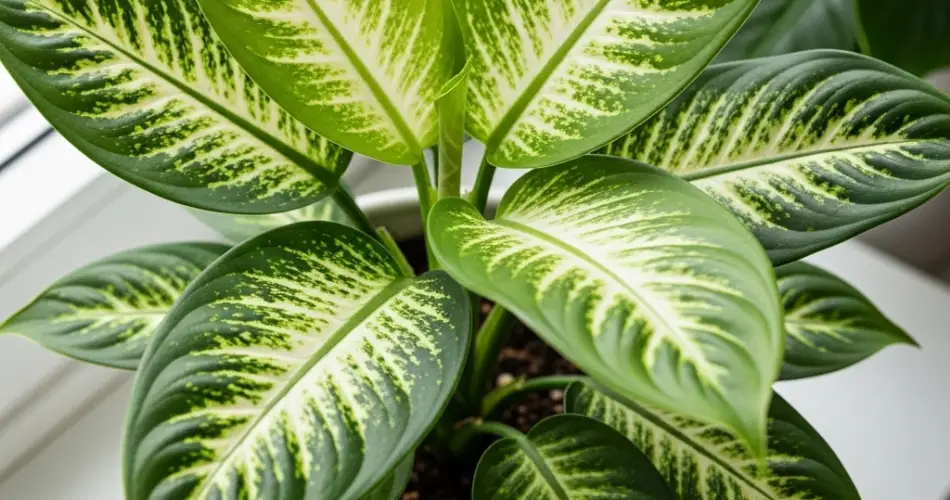
Dieffenbachia, also known as Dumb Cane, is a popular houseplant known for its striking variegated leaves and robust growth. Native to the tropical regions of Central and South America, this plant adapts well to indoor conditions when given the right care—especially when it comes to potting. Using the right container size and soil mixture can make all the difference in ensuring your Dieffenbachia remains healthy and vibrant.
This guide explores the best practices for potting Dieffenbachia, from choosing the ideal pot size to creating a soil mix that encourages lush foliage and strong roots.
Why Proper Potting Matters
Dieffenbachia is a fast-growing plant that relies on consistent moisture and healthy root development. Potting it incorrectly—whether in the wrong size container or poor soil—can lead to problems such as root rot, stunted growth, or even leaf loss. The right potting setup supports water drainage, air circulation, and nutrient availability, all crucial for plant health.
Choosing the Right Pot Size
The size of the pot you choose should accommodate your Dieffenbachia’s current root system, while leaving a bit of room for growth. A container that’s too small can restrict root expansion, while one that’s too large may retain too much moisture, leading to soggy soil and root rot.
Ideal pot size tips:
-
Start with a pot that is about 1–2 inches wider than the plant’s current root ball.
-
For young Dieffenbachia plants, a 6- to 8-inch diameter pot is usually sufficient.
-
As the plant matures, gradually move to larger pots—typically 10 to 12 inches in diameter—depending on the plant’s size and root development.
Always ensure that the pot has drainage holes at the bottom to prevent water from accumulating, which can quickly damage the roots.
Best Pot Materials for Dieffenbachia
Dieffenbachia can thrive in various types of pots as long as the drainage is adequate. Each material has its benefits:
-
Terracotta: Porous and breathable, terracotta allows moisture to evaporate quickly, helping prevent overwatering. However, it may require more frequent watering.
-
Plastic: Lightweight and moisture-retaining, plastic pots are ideal for those who may forget to water regularly. Just ensure there are multiple drainage holes.
-
Ceramic (glazed): Aesthetic and functional, glazed pots retain moisture like plastic but are heavier and stable for tall plants like Dieffenbachia.
Regardless of material, drainage should always be prioritized over design.
Creating the Ideal Soil Mix
Dieffenbachia prefers rich, well-draining soil that retains some moisture without becoming waterlogged. A good potting mix should strike a balance between water retention and aeration.
Recommended soil mix:
-
2 parts high-quality potting soil
-
1 part perlite or pumice (for drainage)
-
1 part peat moss or coco coir (for moisture retention and root health)
This combination ensures that roots receive enough oxygen and prevents the common issue of root rot due to overly wet soil.
Alternatively, you can use a pre-packaged houseplant mix labeled for aroids or foliage plants, which generally meets Dieffenbachia’s needs.
How to Pot or Repot Dieffenbachia
-
Prepare the new pot: Choose a pot slightly larger than the previous one and add a layer of your soil mix at the bottom.
-
Remove the plant from its old container: Gently tap the sides and slide the plant out, taking care not to damage the roots.
-
Loosen the root ball: Shake off excess soil and gently tease apart the roots to encourage new growth.
-
Set the plant in the new pot: Position the plant so that the base of the stem sits about an inch below the rim of the pot.
-
Fill in with soil: Add more of your prepared soil mix around the sides, gently pressing it down to eliminate air pockets.
-
Water thoroughly: After potting, water the plant until it drains from the bottom. This settles the soil around the roots.
Avoid fertilizing immediately after repotting—wait a few weeks to let the plant adjust.
Tips for Healthy Growth
-
Repot every 1–2 years, or when you notice roots growing out of the drainage holes.
-
Avoid compacted soil, which restricts airflow to the roots.
-
Use a saucer under your pot, but empty it after watering to avoid stagnant water.
-
Wipe the leaves regularly to remove dust and improve photosynthesis.
Final Thoughts
Potting your Dieffenbachia in the right container with the correct soil mix sets the stage for long-term success. This beautiful foliage plant doesn’t demand much but responds dramatically to good care. With proper pot size, excellent drainage, and a well-balanced soil mix, your Dieffenbachia will reward you with bold, leafy growth and vibrant color all year round.


